Iron deficiency anaemia develops when the body does not have enough iron to produce adequate amounts of healthy haemoglobin, the protein responsible for carrying oxygen in red blood cells. The condition may cause persistent tiredness, weakness, dizziness, breathlessness and difficulty concentrating.
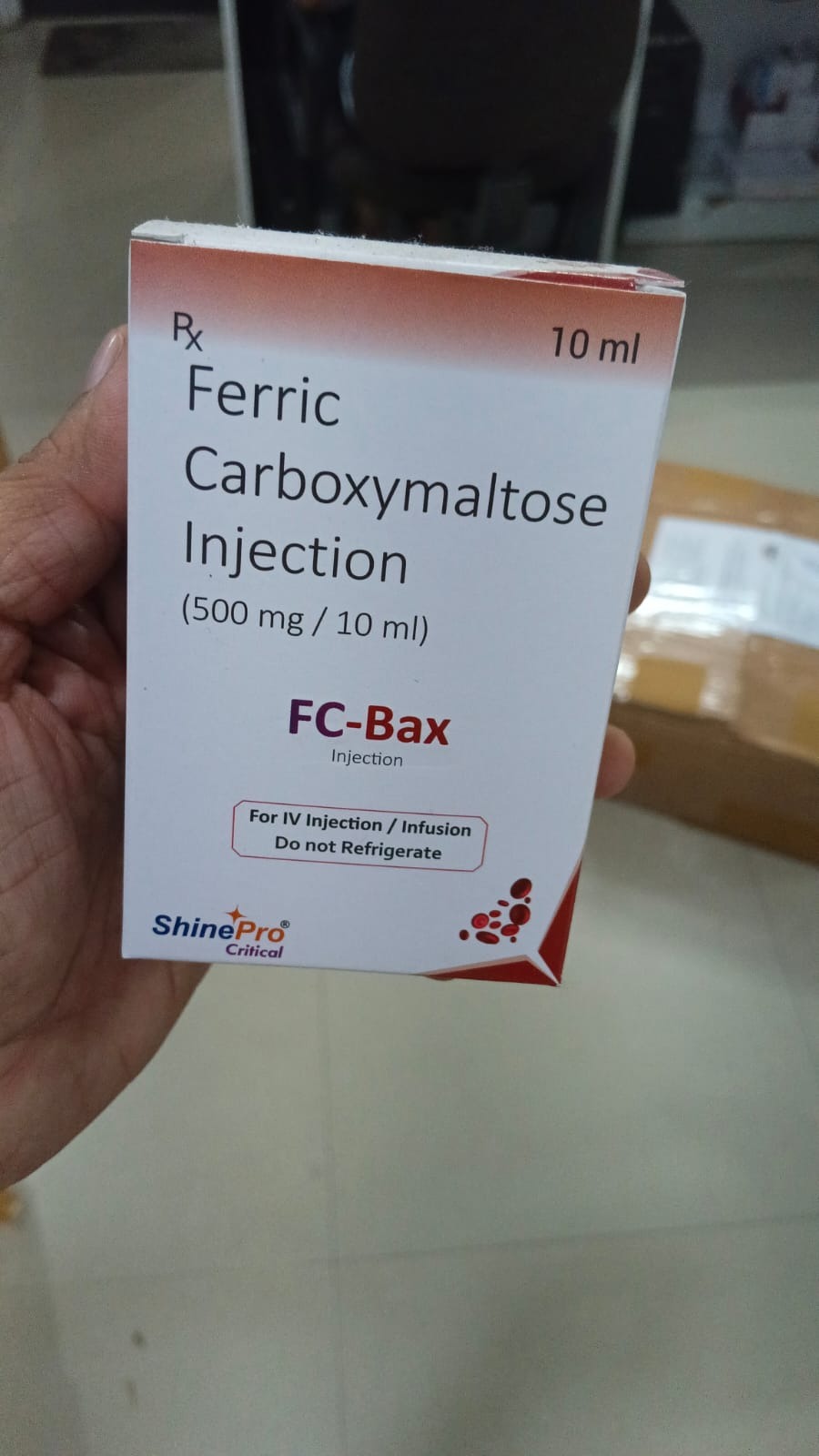
Although oral iron supplements are commonly used to manage iron deficiency, some patients may require intravenous iron treatment. Ferric carboxymaltose, associated with products such as FC-BAX, is an intravenous iron formulation used in selected clinical circumstances.
For patients and healthcare institutions in Jamaica, understanding when intravenous iron may be appropriate can support informed treatment and procurement decisions.
What Is Ferric Carboxymaltose?
Ferric carboxymaltose is an injectable iron preparation designed to replenish iron stores in patients with iron deficiency.
It contains iron within a carbohydrate complex that allows iron to be administered intravenously and subsequently made available for normal physiological processes.
The body uses this iron to support haemoglobin production and other essential functions.
Unlike oral iron tablets, intravenous ferric carboxymaltose delivers iron directly into the bloodstream under medical supervision.
However, it is not necessary or appropriate for every patient with low haemoglobin.
When May Intravenous Iron Be Recommended?
A healthcare professional may consider ferric carboxymaltose when oral iron is unsuitable, poorly tolerated or insufficiently effective.
Potential circumstances include:
Iron deficiency anaemia that has not responded adequately to oral treatment.
Gastrointestinal conditions affecting iron absorption.
Certain patients with chronic kidney disease.
Situations where clinically appropriate iron replacement is needed within a shorter period.
Selected patients with ongoing iron losses requiring specialist management.
Treatment eligibility depends on the underlying diagnosis, laboratory results and the approved indications of the particular product.
How Is Iron Deficiency Confirmed?
Low haemoglobin alone does not establish iron deficiency.
Healthcare professionals commonly assess a complete blood count, ferritin levels and transferrin saturation.
These investigations help determine whether iron stores are depleted and whether intravenous replacement is appropriate.
Additional investigations may be needed to identify causes such as heavy menstrual bleeding, gastrointestinal blood loss or nutritional deficiencies.
Correcting iron levels without identifying the underlying cause may leave patients vulnerable to recurring anaemia.
What Are the Benefits and Limitations?
Intravenous ferric carboxymaltose can replenish iron stores without relying on gastrointestinal absorption.
This may be useful when oral iron causes significant digestive discomfort or cannot adequately address the patient's iron requirements.
However, intravenous administration involves additional considerations, including infusion facilities, clinical monitoring and the possibility of adverse reactions.
Ferric carboxymaltose may cause nausea, headache, blood pressure changes and infusion-site reactions. Serious hypersensitivity reactions are uncommon but possible.
It can also cause hypophosphataemia, sometimes severe or prolonged, particularly in susceptible patients or following repeated treatment.
What Should Healthcare Facilities Check Before Procurement?
Hospitals and clinics in Jamaica should evaluate intravenous iron products based on their authorised indications, manufacturer information and handling requirements.
Important considerations include formulation strength, packaging integrity, batch traceability, expiry dates and appropriate storage.
Facilities should also maintain procedures for administering intravenous medicines and managing infusion-related complications.
ERNEST IMPEX operates in the pharmaceutical supply sector, where documentation and responsible sourcing are important aspects of institutional medicine procurement.
Healthcare buyers should verify the product's Jamaican registration or applicable import authorisation before purchase.
Ferric carboxymaltose can be a valuable option for appropriately selected patients, but its use should follow confirmed iron deficiency, clinical assessment and suitable monitoring.
Keywords