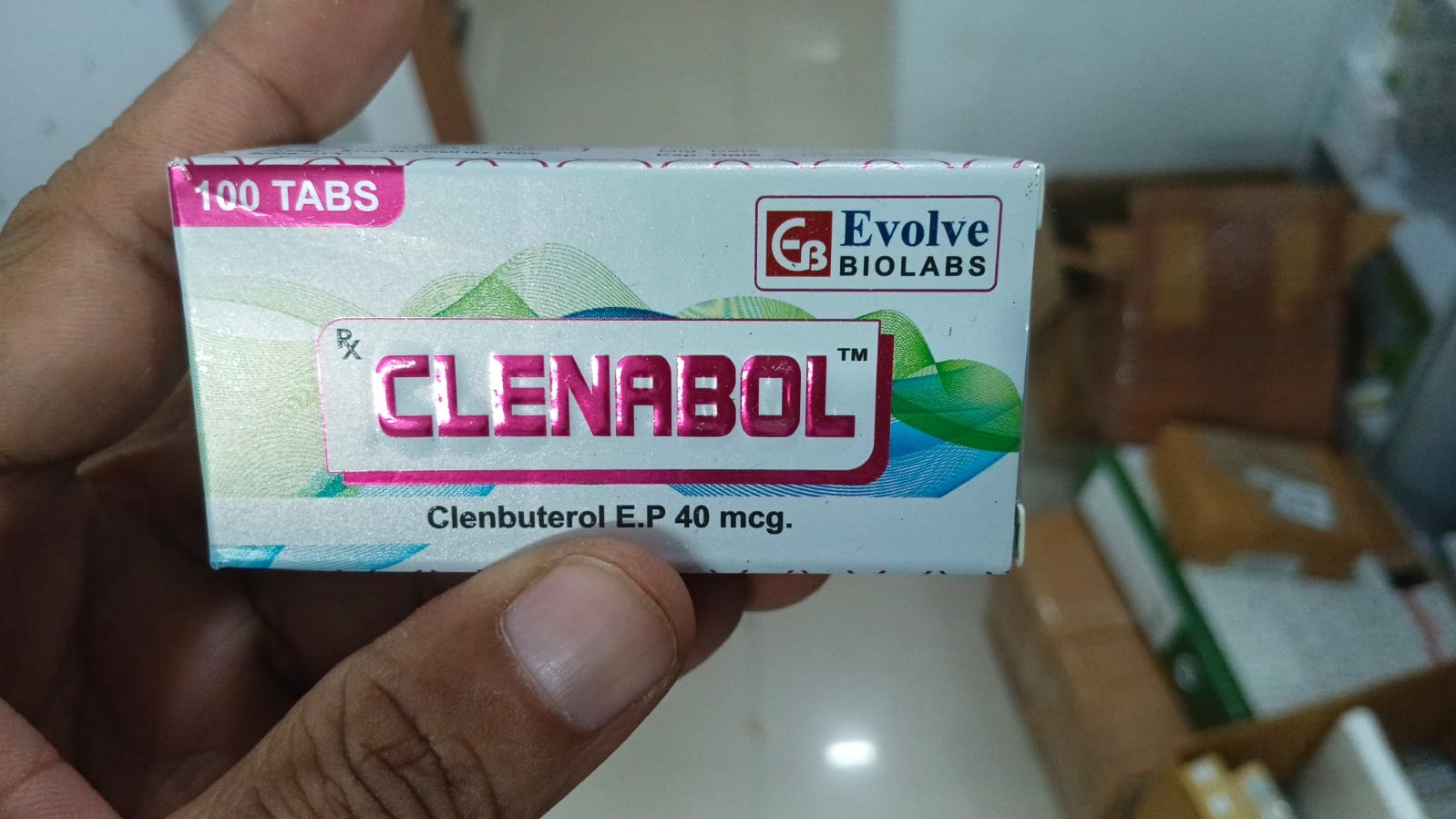
Clenbuterol, sometimes marketed under names such as Clenabol, is a substance associated with bronchodilator activity and stimulant-like effects. While it has been used medically in certain countries, its use is restricted or unapproved for human treatment in others.
One reason clenbuterol attracts attention is its association with changes in metabolism and body composition. However, these effects do not establish that it is safe or appropriate for weight management.
For people in Jamaica researching clenbuterol, understanding its pharmacological action, cardiovascular risks and regulatory status is essential.
How Does Clenbuterol Affect the Body?
Clenbuterol belongs to a group of substances known as beta-2 adrenergic agonists. These compounds stimulate specific receptors involved in relaxing smooth muscle, including muscle surrounding the airways.
This mechanism explains why clenbuterol has historically been investigated or used as a bronchodilator.
However, its effects are not limited to the respiratory system. It can also influence heart rate, metabolism, nervous system activity and electrolyte balance.
Consequently, a substance that affects breathing-related pathways can still produce significant cardiovascular complications.
Why Is Clenbuterol Considered High Risk?
Clenbuterol can produce stimulant-related adverse effects, particularly when taken without appropriate medical supervision.
Potential complications include:
Rapid heartbeat and palpitations.
Tremors, nervousness and restlessness.
Increased sweating and sleep disturbances.
Abnormal heart rhythms.
Reduced blood potassium levels.
Chest discomfort and serious cardiovascular events.
Severe toxicity can occur, and some complications may require emergency treatment.
People with cardiovascular disease, thyroid disorders or certain other medical conditions may be particularly vulnerable.
Is Clenbuterol Approved for Human Use?
Clenbuterol's regulatory status differs between countries. Some jurisdictions have authorised specific human medicinal products, while others have not approved clenbuterol for human treatment.
Approval for veterinary use in one country does not automatically mean a product is suitable or lawful for human consumption.
In Jamaica, patients and healthcare buyers should confirm the registration status of any clenbuterol-containing product with the relevant national authorities.
Products advertised online may not meet applicable requirements for quality, safety or legal distribution.
Why Is Non-Medical Use Concerning?
Clenbuterol is sometimes promoted for fat reduction or athletic performance. Such marketing may overlook the possibility of serious adverse reactions.
Unlike medicines prescribed for a diagnosed condition, products obtained through informal channels may lack reliable information about their contents, manufacturing quality or intended use.
Even when a product label identifies clenbuterol, that information alone does not establish its safety.
Combining clenbuterol with caffeine, stimulants or other performance-related substances may further increase cardiovascular strain.
Important Considerations for Jamaican Healthcare Buyers
Healthcare procurement decisions should consider regulatory approval, product traceability, manufacturer documentation and legitimate clinical indications.
ERNEST IMPEX is associated with pharmaceutical product supply, a sector in which responsible sourcing and verification are particularly important.
Buyers should distinguish between a product's commercial availability and its authorisation for a specific medical application.
Clenbuterol should not be considered a routine weight-loss treatment or a substitute for established respiratory care. Understanding its restrictions and potential complications is essential before making any medical or purchasing decision.
Keywords