Acne can affect people well beyond adolescence, often causing persistent breakouts, clogged pores and changes in skin texture. Even after active acne improves, some individuals experience uneven skin tone or lingering marks that affect their confidence.
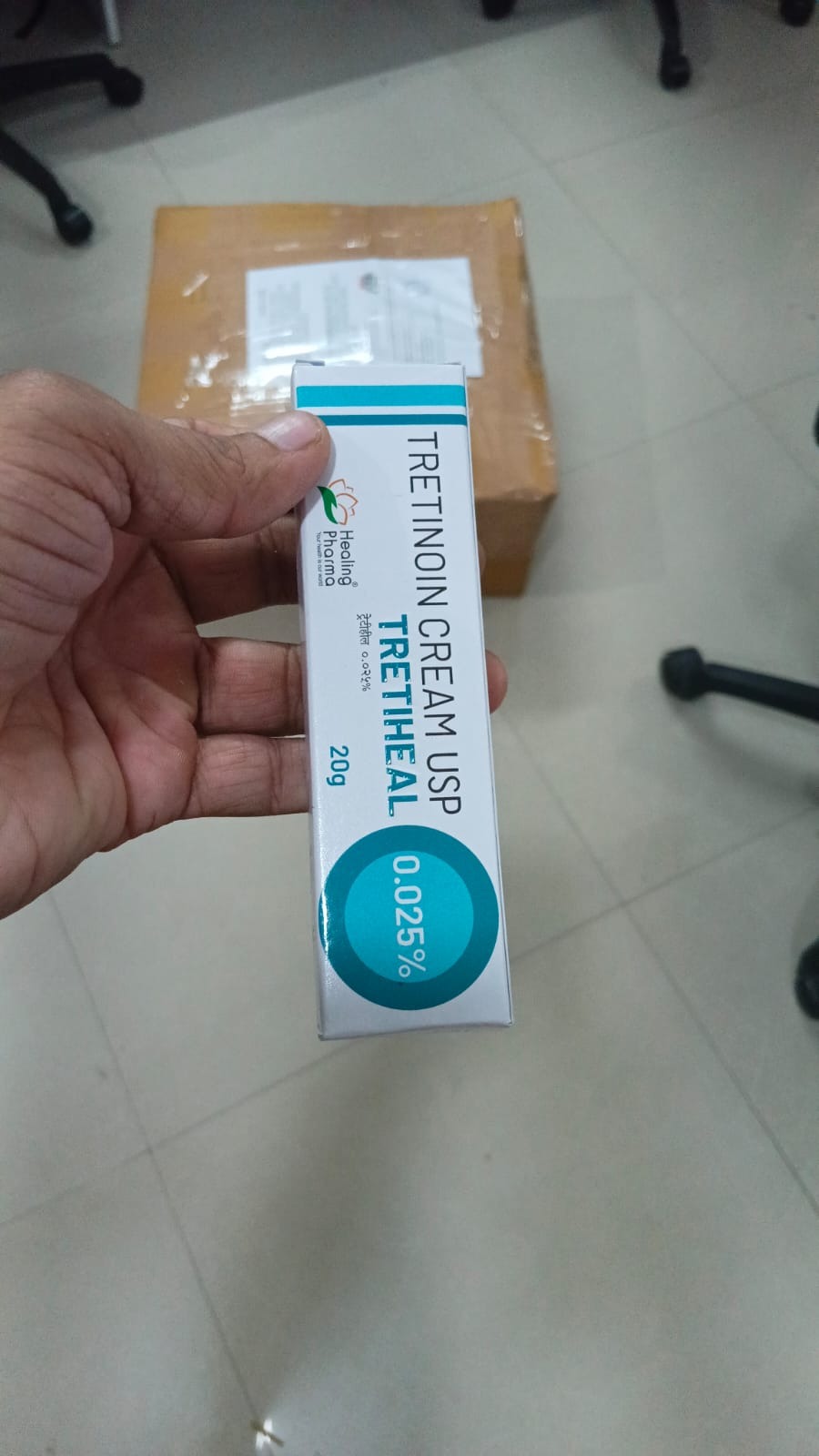
Tretinoin, associated with topical products such as Tretiheal, is a retinoid medicine commonly used in acne management. It works by influencing skin cell turnover and helping prevent the formation of clogged pores.
For people in Jamaica, understanding tretinoin's benefits, limitations and application precautions is especially relevant because of the country's warm climate and substantial sunlight exposure.
How Does Tretinoin Work on Acne-Prone Skin?
Tretinoin is a derivative of vitamin A that interacts with receptors involved in skin cell growth and differentiation.
It helps normalise the shedding of cells within hair follicles, reducing the formation of comedones.
Comedones are blocked pores that can appear as blackheads or whiteheads.
By reducing the development of these blockages, tretinoin helps manage existing acne and prevent new lesions.
Its effects develop gradually, and consistent treatment is generally more important than expecting immediate visible changes.
What Skin Concerns Can Tretinoin Address?
Topical tretinoin may be considered for several concerns, depending on the formulation and clinical indication.
These include:
Blackheads and whiteheads.
Mild to moderate acne as part of an appropriate treatment plan.
Uneven skin texture associated with clogged pores.
Certain pigmentation concerns under dermatological supervision.
Fine lines and photoaged skin when using a formulation approved for that purpose.
Tretinoin does not remove every type of acne scar. Deep or depressed scars may require separate dermatological procedures.
Similarly, pigmentation improvement varies depending on the cause and severity of the condition.
What Should Patients Expect During Early Treatment?
During the initial weeks, some individuals experience dryness, redness, peeling or mild irritation.
Acne may also appear temporarily more noticeable as existing blocked pores become visible.
These effects do not necessarily mean the medicine is unsuitable, but significant irritation should prompt treatment reassessment.
A dermatologist may recommend adjusting the application frequency, choosing a different formulation or introducing supportive skincare measures.
Using excessive quantities does not make tretinoin work faster and may increase irritation.
How Important Is Sun Protection?
Sun protection is an essential part of tretinoin-based skincare.
Patients should minimise excessive ultraviolet exposure and use suitable broad-spectrum sunscreen.
This is particularly important in Jamaica, where outdoor activities and strong sunlight are common throughout the year.
A gentle cleanser and non-comedogenic moisturiser may also help maintain the skin barrier.
Harsh exfoliants, abrasive scrubs and multiple irritating active ingredients can worsen dryness when used without an appropriate skincare plan.
Who Should Avoid or Reconsider Tretinoin?
Topical tretinoin is generally avoided during pregnancy and when pregnancy is being planned.
Patients with eczema, severe skin irritation or other inflammatory skin conditions may require additional precautions.
Tretinoin should not be applied to sunburned, damaged or severely irritated skin.
The appropriate formulation depends on the patient's condition, skin tolerance and treatment goals.
Choosing Tretinoin Products in Jamaica
Patients and healthcare buyers should check the active ingredient, concentration, formulation and applicable regulatory status before selecting a tretinoin product.
ERNEST IMPEX is associated with pharmaceutical supply, where product authenticity and accurate labelling are important considerations.
Tretinoin can play a useful role in long-term acne management, but successful treatment requires patience, consistent skincare and realistic expectations about the changes it can achieve.
Keywords