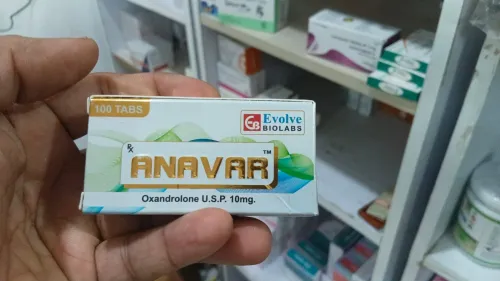

Weight-loss products that promise faster fat reduction often attract attention, particularly when promoted through fitness communities and online marketplaces. Clenbuterol is one substance frequently associated with such claims, despite its significant cardiovascular risks and lack of established safety as a routine weight-management treatment.
For individuals in Jamaica considering weight-management options, understanding why clenbuterol can affect the heart is more important than focusing on its advertised metabolic effects.
Why Is Clenbuterol Associated With Weight Loss?
Clenbuterol stimulates beta-2 adrenergic receptors, which influence several physiological processes, including airway relaxation and metabolic activity.
Its stimulant-like properties may increase energy expenditure under certain conditions. This has contributed to its reputation as a substance used for fat reduction.
However, an increase in metabolic activity does not automatically translate into meaningful, sustainable or safe weight loss.
Research into clenbuterol's effects does not establish an acceptable benefit-risk profile for ordinary obesity treatment.
How Can Clenbuterol Affect Heart Health?
The cardiovascular system is particularly vulnerable to clenbuterol's stimulant effects.
Possible consequences include an elevated heart rate, palpitations and disturbances in normal heart rhythm.
More serious complications may include myocardial injury, dangerous arrhythmias and significant changes in blood pressure.
Clenbuterol may also reduce potassium levels in the blood. Potassium plays an important role in maintaining normal electrical activity in the heart.
When potassium levels become abnormal, the likelihood of rhythm disturbances may increase.
These effects can be dangerous even in people who do not have a previously diagnosed heart condition.
What Makes Clenbuterol Different From Established Weight-Management Medicines?
Medicines authorised for obesity management undergo evaluation for specific indications, including their effectiveness, safety profile and appropriate patient selection.
Clenbuterol has not established the same role as a standard, evidence-based obesity medicine.
A medically supervised weight-management programme generally considers factors such as body mass index, metabolic health, cardiovascular risk and existing conditions.
Treatment may involve nutritional changes, physical activity, behavioural support and, where clinically appropriate, authorised medicines.
Using a stimulant-associated substance without a recognised weight-management indication introduces risks without demonstrating comparable long-term benefits.
Warning Signs That Require Immediate Attention
Individuals exposed to clenbuterol should recognise symptoms that may indicate toxicity.
Concerning signs include:
Persistent or unusually rapid heartbeat.
Chest pain or pressure.
Severe dizziness or fainting.
Significant tremors or agitation.
Shortness of breath.
Severe muscle weakness.
Chest pain, fainting, severe breathlessness or sustained palpitations require urgent medical assessment.
Common Misconceptions About Clenbuterol
One misconception is that a substance becomes safe when used for a short period. Serious cardiovascular reactions can occur without prolonged exposure.
Another is that products marketed for fitness purposes are automatically less risky than prescription medicines.
Unregulated products may contain inaccurate ingredient information or unexpected substances, making their effects difficult to predict.
Combining clenbuterol with other stimulants may further increase health risks.
Weight-Management Awareness in Jamaica
People in Jamaica researching weight-loss medicines should distinguish scientifically supported treatments from products promoted primarily through social media or informal sales channels.
ERNEST IMPEX operates in the pharmaceutical supply industry, where legitimate product sourcing and regulatory verification are essential considerations.
Healthcare buyers should confirm whether a substance is authorised for its proposed use rather than relying on promotional descriptions.
Sustainable weight management depends on identifying underlying health needs and choosing interventions with an acceptable safety profile. Clenbuterol's potential cardiovascular complications make it an unsuitable shortcut for routine fat reduction.
Keywords