Obsessive-compulsive disorder, commonly called OCD, involves unwanted recurring thoughts, images or urges and repetitive behaviours or mental rituals that a person feels compelled to perform.
These symptoms can interfere with work, education, relationships and everyday routines. Effective treatment may involve psychological therapy, medication or a combination of both.
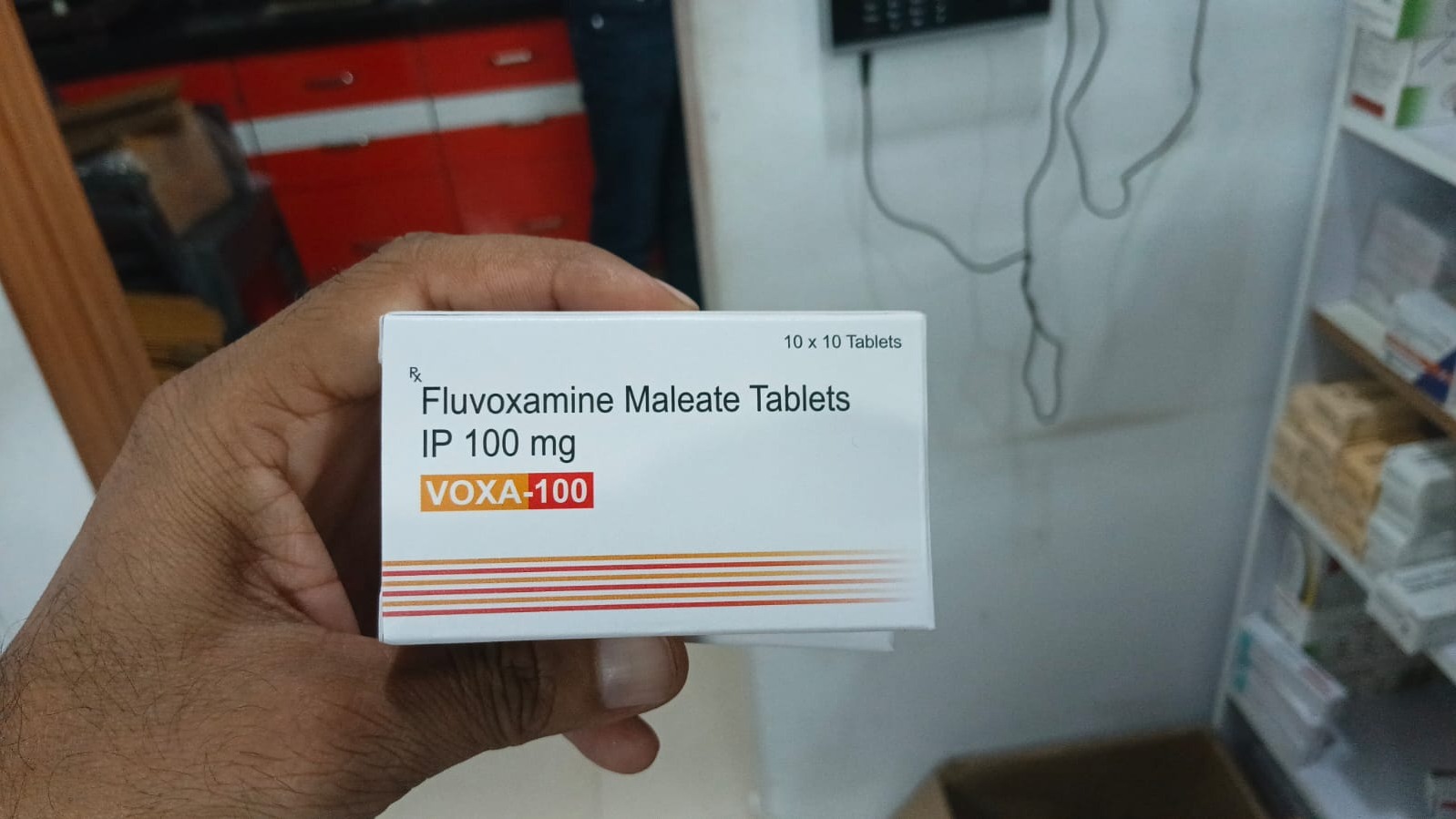
Fluvoxamine, associated with products such as Voxa, is a selective serotonin reuptake inhibitor that has an established role in treating OCD.
How Does Fluvoxamine Help Manage OCD?
Fluvoxamine belongs to the selective serotonin reuptake inhibitor group, commonly known as SSRIs.
It works by reducing the reuptake of serotonin into nerve cells, increasing serotonin availability at certain connections in the brain.
Serotonin is involved in several processes related to mood, anxiety and behavioural regulation.
For some people with OCD, fluvoxamine can help reduce the intensity and frequency of obsessive thoughts and compulsive behaviours.
However, treatment response varies, and improvement is not usually immediate.
How Is Fluvoxamine Different From Psychological Therapy?
Medication and psychological therapy address OCD through different mechanisms.
Fluvoxamine influences neurotransmitter activity and may reduce symptom severity.
Cognitive behavioural therapy incorporating exposure and response prevention helps individuals gradually confront feared situations while reducing compulsive responses.
Exposure and response prevention is an evidence-based treatment for OCD and may be recommended alone or alongside medication.
The choice depends on symptom severity, patient preference, treatment availability and previous response.
What Side Effects Should Patients Understand?
Fluvoxamine can cause adverse effects, particularly during the early stages of treatment.
Commonly reported effects include:
Nausea and digestive discomfort.
Headache.
Sleepiness or insomnia.
Dizziness.
Sweating.
Changes in appetite.
Sexual side effects.
Some symptoms improve as the body adjusts, while others may persist and require reassessment.
SSRIs also carry important warnings concerning suicidal thoughts or behaviour in younger patients, particularly during treatment initiation or changes.
Patients and caregivers should remain alert to significant changes in mood or behaviour.
Why Are Medicine Interactions Important?
Fluvoxamine can affect enzymes involved in metabolising other medicines.
As a result, it has clinically important interactions with several prescription medicines and certain other substances.
Combining serotonergic medicines can increase the risk of serotonin syndrome, a potentially serious reaction.
Symptoms may include agitation, fever, sweating, tremor, diarrhoea and muscle rigidity.
Patients should disclose all medicines and supplements before starting treatment.
Fluvoxamine should not be stopped abruptly without a medically supervised plan because discontinuation symptoms may occur.
When Should Treatment Be Reviewed?
A clinician may review symptom improvement, tolerability, daily functioning and adherence over several weeks.
Some patients need adjustments to their treatment approach or additional psychological support.
Persistent compulsions do not necessarily mean that treatment has failed, particularly when an adequate therapeutic trial has not yet been completed.
OCD Treatment Considerations in Jamaica
People in Jamaica seeking OCD treatment may benefit from access to both mental healthcare assessment and structured psychological therapy.
ERNEST IMPEX operates within the pharmaceutical supply industry, where responsible sourcing and verification of prescription medicines are important considerations.
Healthcare buyers should verify the regulatory status, formulation and product information for fluvoxamine-containing medicines.
Effective OCD care focuses on reducing distress, improving functioning and supporting long-term symptom management rather than expecting immediate relief from a single intervention.
Keywords