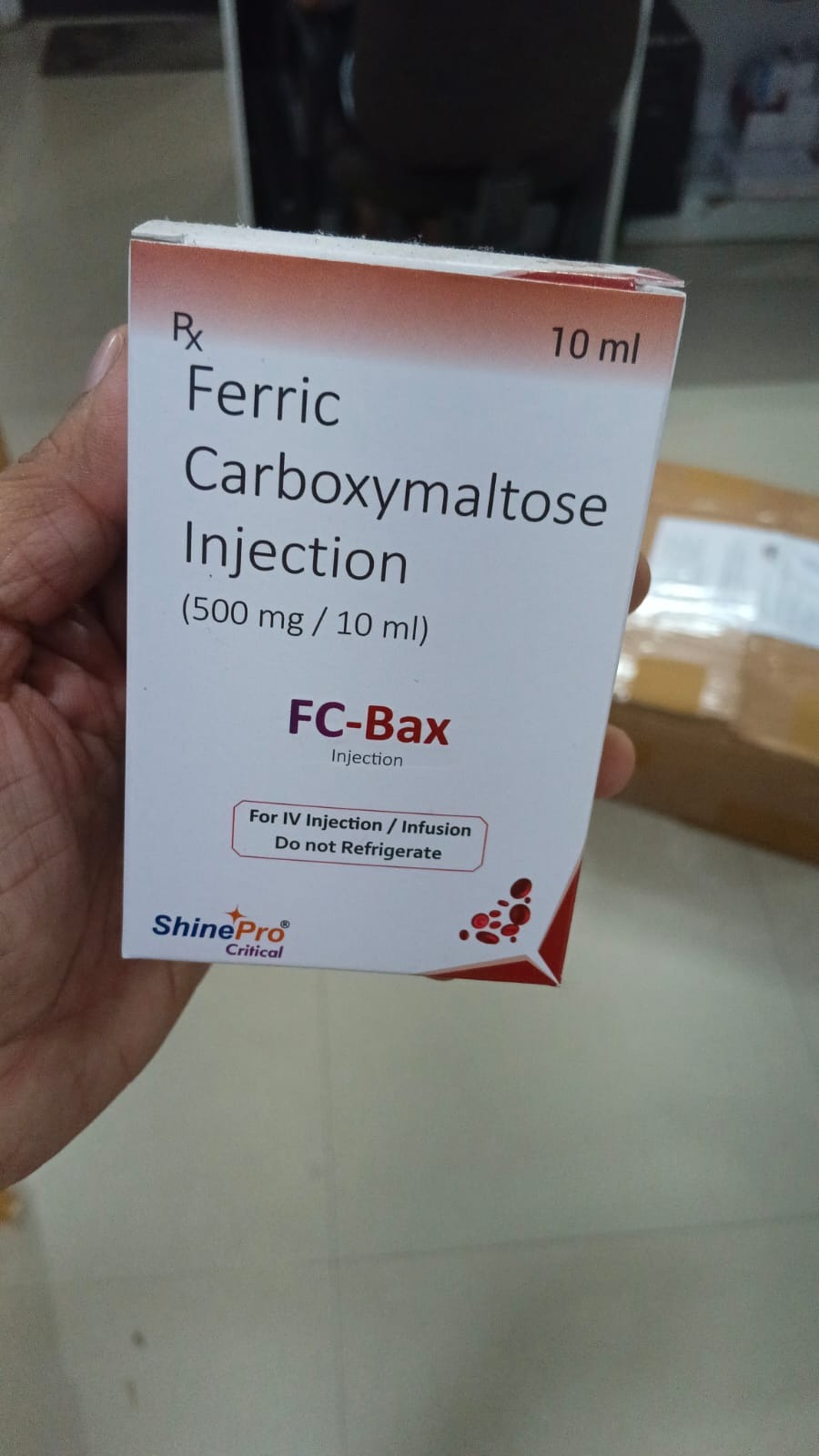
Iron deficiency anaemia develops when the body lacks sufficient iron to produce healthy haemoglobin, the protein in red blood cells responsible for carrying oxygen. This condition can lead to persistent tiredness, breathlessness, headaches and reduced physical endurance.
Although oral iron supplements are commonly used initially, they are not suitable or effective for every patient. Ferric Carboxymaltose is an intravenous iron formulation that may be considered when iron replacement is required and oral treatment is ineffective, unsuitable or insufficient.
For UK patients researching products such as FC-BAX, understanding the reasons for intravenous treatment and the importance of clinical monitoring can help clarify the available options.
What Is Ferric Carboxymaltose?
Ferric Carboxymaltose is an iron-carbohydrate complex designed to deliver iron directly into the bloodstream through intravenous administration.
The supplied iron can then be used by the body to replenish iron stores and support haemoglobin production.
Unlike oral iron supplements, intravenous iron does not depend on gastrointestinal absorption.
This makes it useful in selected circumstances where digestive conditions, treatment intolerance or clinical requirements make oral replacement less appropriate.
However, intravenous treatment does not automatically provide a better option for every patient.
When Might Intravenous Iron Be Recommended?
A clinician may consider Ferric Carboxymaltose when laboratory investigations confirm iron deficiency and there is a suitable indication for intravenous replacement.
Potential circumstances include:
Inadequate response to oral iron treatment.
Significant gastrointestinal intolerance to oral supplements.
Certain conditions associated with impaired iron absorption.
Iron deficiency associated with selected chronic inflammatory conditions.
Situations where iron replacement is clinically required within a shorter period.
The underlying cause of iron deficiency should also be investigated.
Heavy menstrual bleeding, gastrointestinal blood loss, nutritional deficiency and certain chronic diseases are among the possible contributing factors.
Treating iron deficiency without identifying its cause may allow the problem to return.
What Tests Are Important Before Treatment?
Blood investigations help establish whether intravenous iron is appropriate.
Common measurements include haemoglobin, serum ferritin and transferrin saturation.
These results provide information about the severity of anaemia and the availability of stored iron.
Additional investigations may be needed depending on symptoms, age, medical history and suspected causes.
Ferric Carboxymaltose should not be administered simply because a patient experiences fatigue. Tiredness has many possible causes, and unnecessary iron administration can create additional health risks.
Understanding Side Effects and Safety Monitoring
Intravenous iron treatment can cause nausea, headaches, flushing, temporary blood pressure changes and infusion-site reactions.
Rare but serious hypersensitivity reactions are also possible. Administration therefore requires appropriately trained healthcare personnel and facilities equipped to manage emergencies.
Ferric Carboxymaltose can also reduce blood phosphate levels, a condition known as hypophosphataemia.
In susceptible patients, particularly those receiving repeated or prolonged treatment, significant phosphate depletion may contribute to muscle weakness, bone pain and, rarely, osteomalacia or fractures.
UK medicines safety guidance recommends phosphate monitoring for patients with relevant risk factors or repeated high-dose treatment.
Choosing an Appropriate Iron Treatment in the UK
The decision between oral and intravenous iron depends on clinical findings rather than convenience alone.
UK healthcare providers assess treatment response, tolerability, iron requirements and potential adverse effects before recommending an approach.
Patients researching FC-BAX through pharmaceutical businesses such as ERNEST IMPEX should confirm the formulation, product authorisation and relevant safety documentation.
Ferric Carboxymaltose can be valuable when used for an appropriate indication. Successful treatment involves correcting iron deficiency, identifying its underlying cause and monitoring recovery rather than focusing exclusively on the infusion itself.
Keywords