Choosing a treatment for extensive vitiligo involves more than deciding whether to restore or remove pigmentation. The condition can affect appearance, confidence, daily routines and the way skin responds to sunlight.
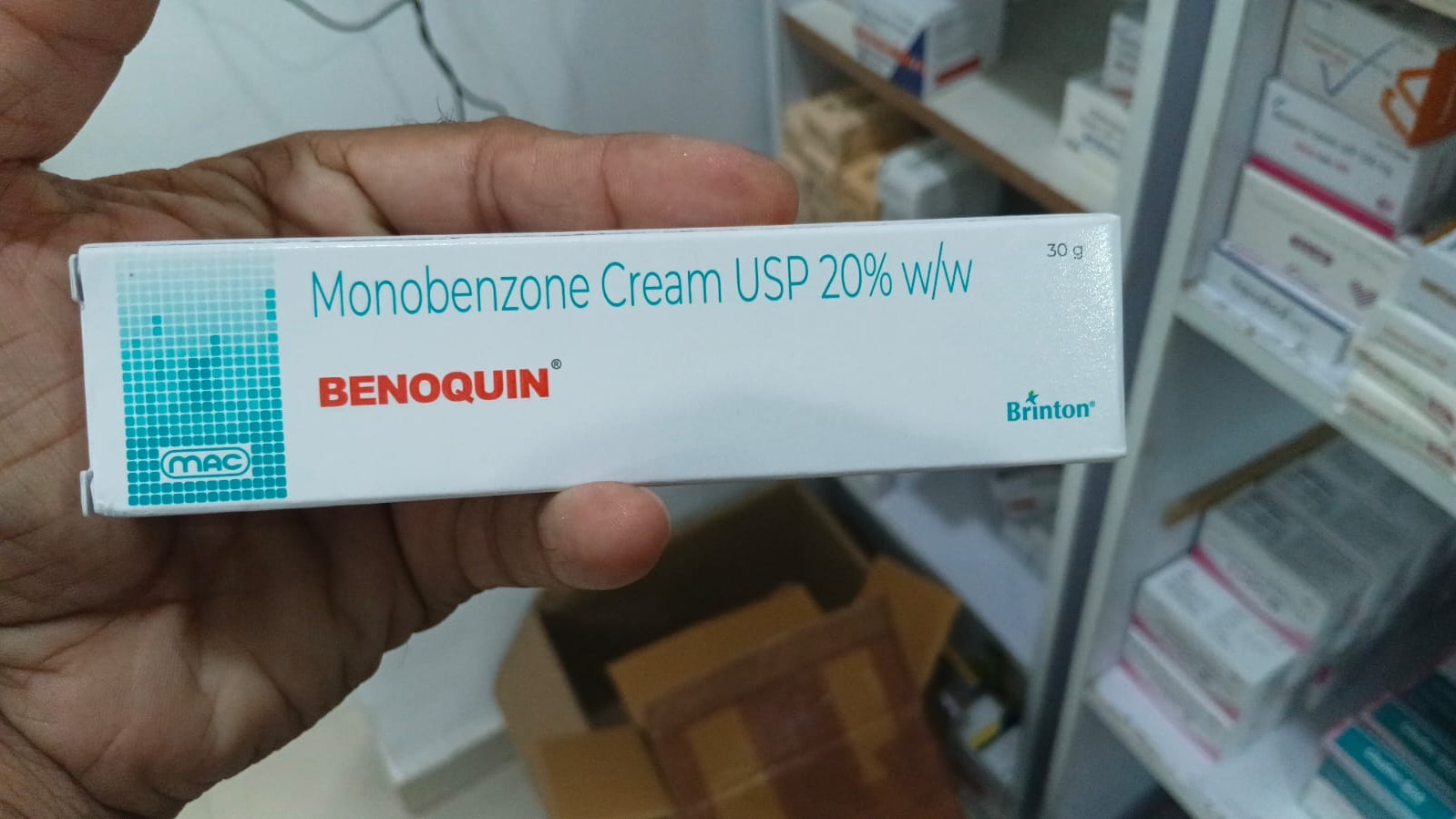
Monobenzone is sometimes discussed as an option for permanent depigmentation when vitiligo affects most of the body. Before considering this approach, patients need to understand its irreversible nature, possible complications and the practical changes that may follow treatment.
Is Monobenzone Suitable for Every Type of Vitiligo?
Monobenzone is not generally appropriate for small or localised vitiligo patches.
It is primarily associated with depigmentation in selected individuals with extensive disease.
For patients with limited areas of pigment loss, treatments intended to encourage repigmentation may be more appropriate.
The extent and stability of vitiligo, previous treatment responses and personal preferences all influence clinical decisions.
A dermatologist must also distinguish vitiligo from other causes of skin discolouration before discussing treatment options.
What Makes Monobenzone Different From Other Skin Treatments?
Many dermatological products aim to reduce excess pigmentation while preserving normal skin colour.
Monobenzone works differently because it can destroy melanocytes, resulting in permanent pigment loss.
This means the effects may not be reversible if a patient becomes dissatisfied with the outcome.
The medication can also cause depigmentation beyond the areas where it is applied.
Consequently, treatment requires a different level of consideration from ordinary cosmetic skincare.
Questions Worth Discussing Before Treatment
Patients considering depigmentation should understand several practical issues.
Will the results be uniform? Different areas of skin may respond unevenly, and complete depigmentation cannot be guaranteed.
Can pigmentation return? Some individuals may experience partial repigmentation, even after substantial pigment loss.
What happens if irritation develops? Redness, itching or dermatitis may require treatment reassessment.
Will sun protection become more important? Yes. Depigmented skin has less natural melanin protection against ultraviolet radiation.
How will the treatment affect daily life? Patients may need to adjust outdoor activities, skincare routines and expectations about appearance.
These questions help clarify the long-term implications before a decision is made.
Understanding the Psychological Impact
Vitiligo can affect individuals differently.
Some people feel comfortable with visible pigment differences, while others experience significant emotional distress.
Permanent depigmentation may change appearance substantially, and patients should have enough time to consider whether the expected outcome aligns with their preferences.
The decision should not be based solely on social pressure or cosmetic expectations.
Psychological support may be helpful when appearance-related concerns significantly affect well-being.
UK Treatment and Product Safety Considerations
Within the United Kingdom, treatment for extensive vitiligo should be evaluated through appropriate dermatological assessment.
Monobenzone should not be confused with over-the-counter skin-lightening products, and its UK authorisation status must be established before any proposed use.
Products obtained from unreliable sources may contain incorrect concentrations or ingredients.
For individuals researching pharmaceutical products associated with ERNEST IMPEX, checking ingredient identity, product documentation and regulatory suitability is essential.
Planning for Long-Term Skin Care
Permanent pigment loss changes how skin responds to sunlight.
Patients may need consistent broad-spectrum sunscreen, protective clothing and regular monitoring of skin changes.
Any new irritation, unexpected pigmentation pattern or persistent skin reaction deserves attention.
Monobenzone treatment is best understood as a specialist depigmentation option rather than a general cosmetic solution. A well-informed decision considers both the potential visual outcome and the lifelong responsibilities associated with reduced skin pigmentation.
Keywords