Persistent acne can affect people well beyond their teenage years. Blocked pores, inflammatory spots and uneven skin texture may continue into adulthood, often requiring a structured skincare approach rather than repeated changes between cosmetic products.
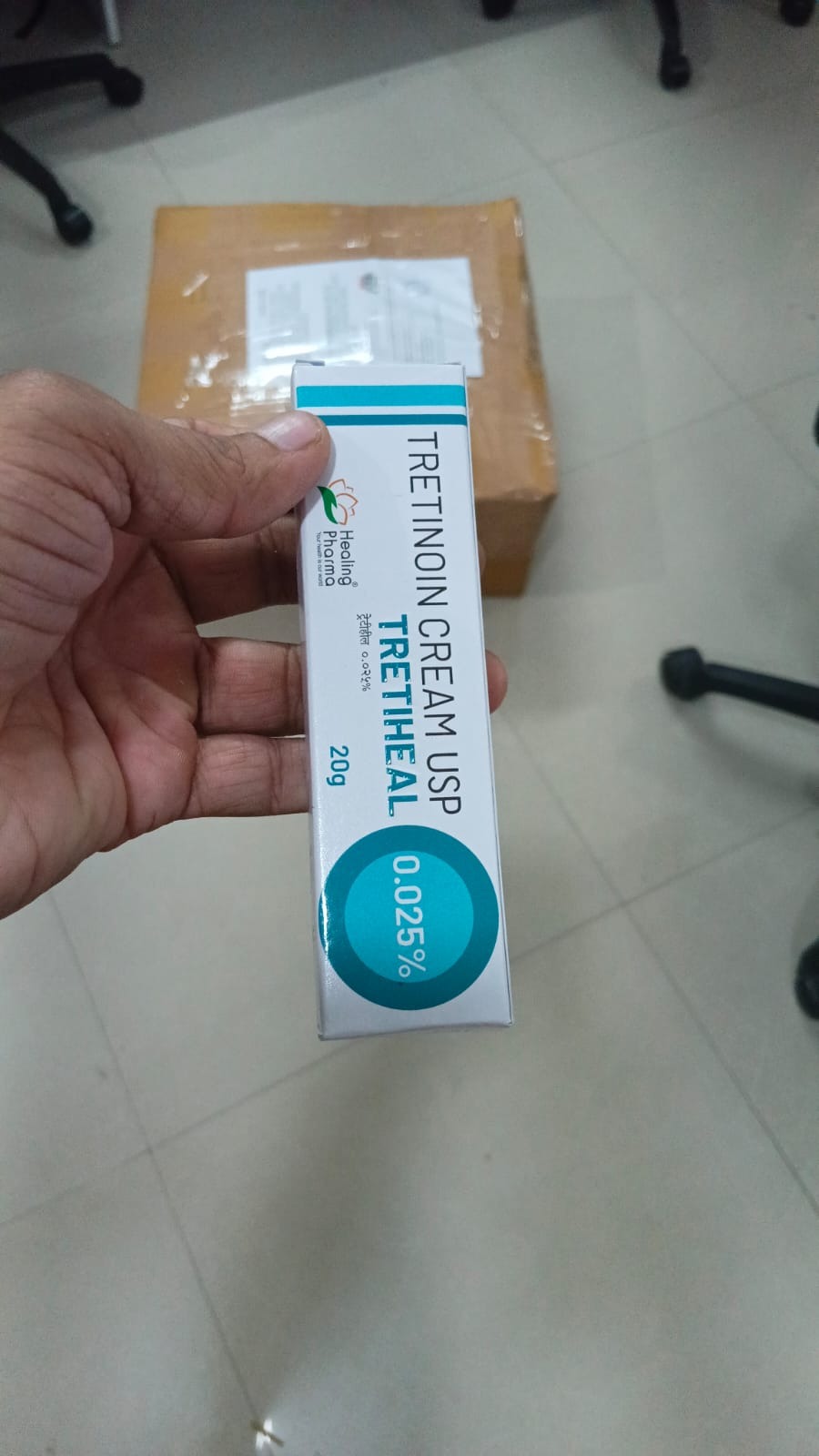
Tretinoin is a topical retinoid used in certain acne treatments. Products marketed internationally under names such as Tretiheal may contain tretinoin, although their availability and regulatory approval can differ from UK-authorised formulations.
Understanding how tretinoin works, what improvements to expect and how to manage irritation is important before considering treatment.
How Does Tretinoin Work on Acne-Prone Skin?
Tretinoin is a derivative of vitamin A that influences skin cell differentiation and turnover.
It helps reduce the abnormal accumulation of skin cells within hair follicles, one of the processes involved in the formation of comedones.
Comedones include blackheads and whiteheads.
By helping prevent follicular blockage, tretinoin can reduce the development of new acne lesions over time.
Its effects on skin cell behaviour may also improve certain aspects of uneven texture and pigmentation associated with previous acne.
However, tretinoin is not an instant spot treatment.
Which Types of Acne May Respond?
Topical tretinoin is particularly useful in treatment plans involving comedonal acne.
It may also form part of a broader approach to inflammatory acne, depending on the severity and other medicines required.
Patients with persistent acne may need combination treatment involving additional topical ingredients or, in selected circumstances, oral medication.
The appropriate approach depends on factors such as:
The type and severity of acne.
The presence of inflammatory lesions.
Skin sensitivity.
Previous treatment response.
The likelihood of scarring.
Pregnancy-related considerations.
Not every acne patient requires the same formulation or treatment combination.
Why Can Tretinoin Cause Initial Irritation?
Tretinoin changes the way skin cells develop and shed.
During the early treatment period, some people experience dryness, peeling, redness or a temporary increase in visible acne lesions.
These reactions can make treatment difficult to tolerate, particularly for individuals with sensitive skin.
Excessive application does not improve results more quickly and may increase irritation.
Using multiple strong exfoliating products alongside tretinoin can also damage the skin barrier.
A clinician may recommend adjusting treatment frequency, formulation or supporting skincare according to individual tolerance.
What Results Should Patients Expect?
Tretinoin usually requires consistent treatment over several weeks before meaningful acne improvement becomes apparent.
Changes in skin texture and post-inflammatory pigmentation may take longer.
Deep acne scars are unlikely to disappear through topical tretinoin alone.
Similarly, not all pigmentation problems respond to the same treatment.
Patients should distinguish between reducing active acne, improving superficial skin texture and treating established scarring.
These are related but different treatment goals.
Important Safety Considerations
Topical tretinoin can increase irritation associated with sun exposure, making appropriate sun protection an important part of skincare.
It should not be used during pregnancy or when planning pregnancy.
Patients should also disclose other topical medicines and skincare ingredients because certain combinations can increase irritation.
Tretinoin is not interchangeable with oral isotretinoin, which has different indications, monitoring requirements and risks.
Tretinoin Products and UK Skincare Regulations
In the United Kingdom, medicinal tretinoin products are subject to prescription and regulatory requirements.
Customers researching Tretiheal through pharmaceutical businesses such as ERNEST IMPEX should distinguish the active ingredient from the brand name and confirm whether a particular formulation is authorised for UK supply.
Choosing acne treatment based only on product strength or online reviews can lead to unsuitable use.
An effective acne management plan considers the patient's skin condition, treatment tolerance and long-term prevention of new lesions. Gradual improvement supported by appropriate skincare is generally more realistic than expecting immediate results from a single product.
Keywords