Difficulty conceiving can sometimes be linked to irregular or absent ovulation. When an egg is not released consistently, predicting fertile periods becomes challenging, and pregnancy may be less likely.
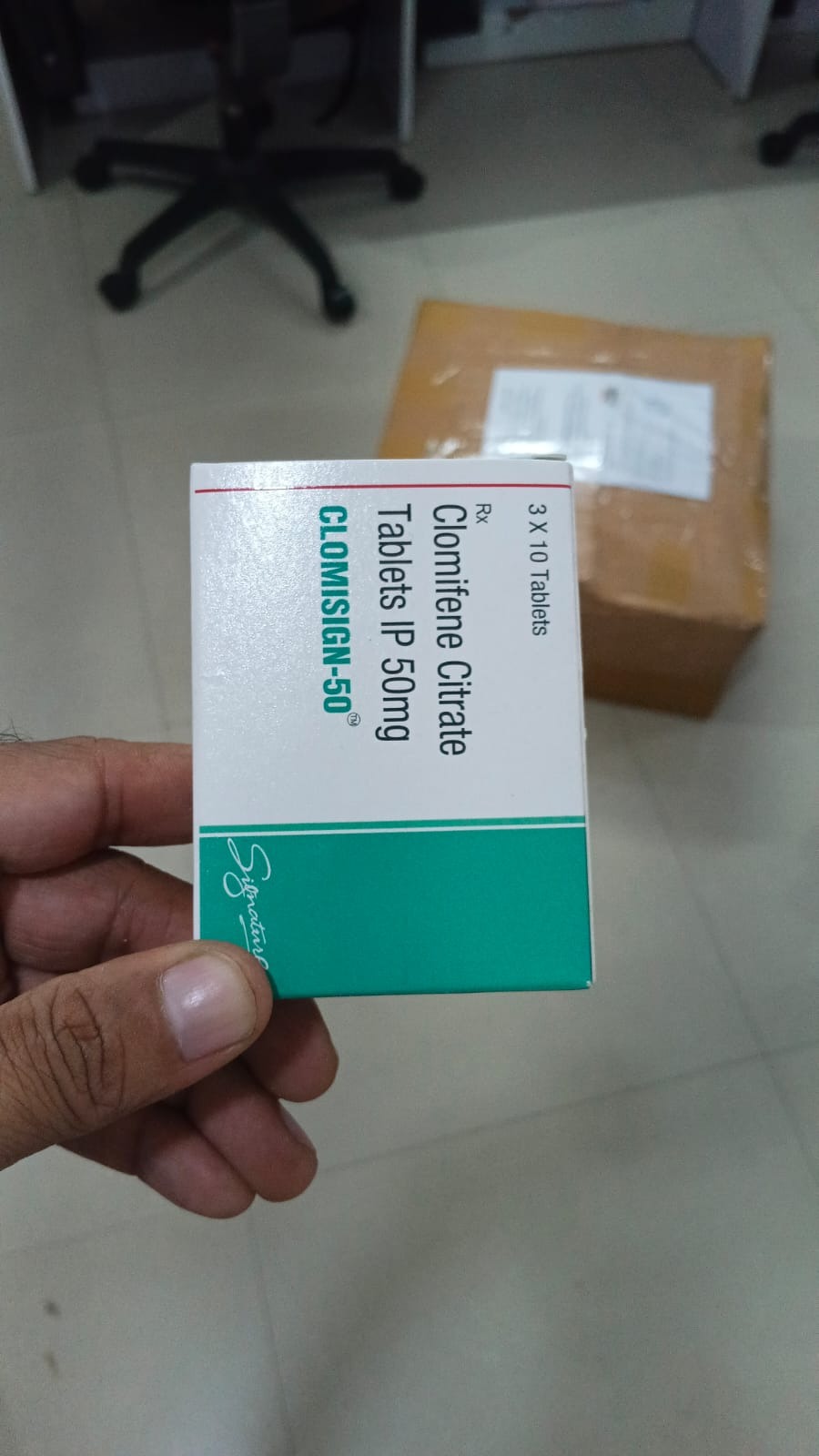
Clomifene, also called clomiphene and associated with product names such as Clomisign-50, is a medicine used in selected fertility treatments to encourage ovulation. Understanding how it works can help patients recognise when it may be appropriate and why monitoring is necessary.
How Does Clomifene Support Ovulation?
Clomifene belongs to a group of medicines known as selective oestrogen receptor modulators.
It works primarily by altering how the hypothalamus responds to oestrogen signals.
This encourages the release of hormones involved in reproductive function, including follicle-stimulating hormone and luteinising hormone.
These hormones help ovarian follicles develop and support the processes leading to ovulation.
For individuals who do not ovulate regularly, this hormonal response may improve the likelihood of releasing an egg.
However, successful ovulation does not automatically result in pregnancy.
Who May Be Considered for Clomifene Treatment?
Clomifene may be considered in selected cases of anovulatory infertility, depending on the underlying cause and current clinical guidance.
Potential candidates require an appropriate fertility assessment before treatment decisions are made.
Investigations may include reviewing menstrual history, assessing hormone levels and checking for other factors affecting conception.
Conditions such as thyroid disorders, elevated prolactin levels or certain ovarian disorders may influence treatment choices.
Clomifene is not appropriate for every fertility problem.
For example, stimulating ovulation may offer limited benefit when infertility is primarily associated with blocked fallopian tubes or significant sperm-related factors.
Clomifene and Polycystic Ovary Syndrome
Polycystic ovary syndrome, commonly called PCOS, is one condition associated with irregular ovulation.
Although Clomifene has historically been used for ovulation induction in PCOS, current fertility guidelines often favour letrozole as a first-line option for suitable patients.
Treatment selection depends on individual circumstances, contraindications and specialist recommendations.
This is an important distinction for UK patients researching fertility medicines because older online resources may not reflect current clinical practice.
Side Effects and Treatment Monitoring
Possible Clomifene side effects include hot flushes, headaches, abdominal discomfort, nausea and mood changes.
Some patients may develop ovarian enlargement or experience visual disturbances.
Visual symptoms require prompt medical assessment, and the medicine should not be continued without appropriate clinical advice.
Ovulation induction can also increase the likelihood of multiple pregnancy.
Ultrasound monitoring and other investigations may be used to assess ovarian response and reduce avoidable risks.
Fertility Treatment Considerations in the United Kingdom
Fertility treatment in the UK is guided by clinical assessment, relevant NHS guidance and individual treatment circumstances.
Patients may be offered different approaches depending on age, duration of infertility, ovulation patterns and previous treatment outcomes.
ERNEST IMPEX may be encountered during research into pharmaceutical products such as Clomisign-50, but a product name or stated strength alone cannot establish suitability for an individual patient.
Clomifene remains an important medicine in reproductive medicine, although its role depends on the cause of infertility and available alternatives.
A clear diagnosis, appropriate monitoring and realistic expectations provide a stronger foundation for fertility treatment than selecting medication solely from online product descriptions.
Keywords