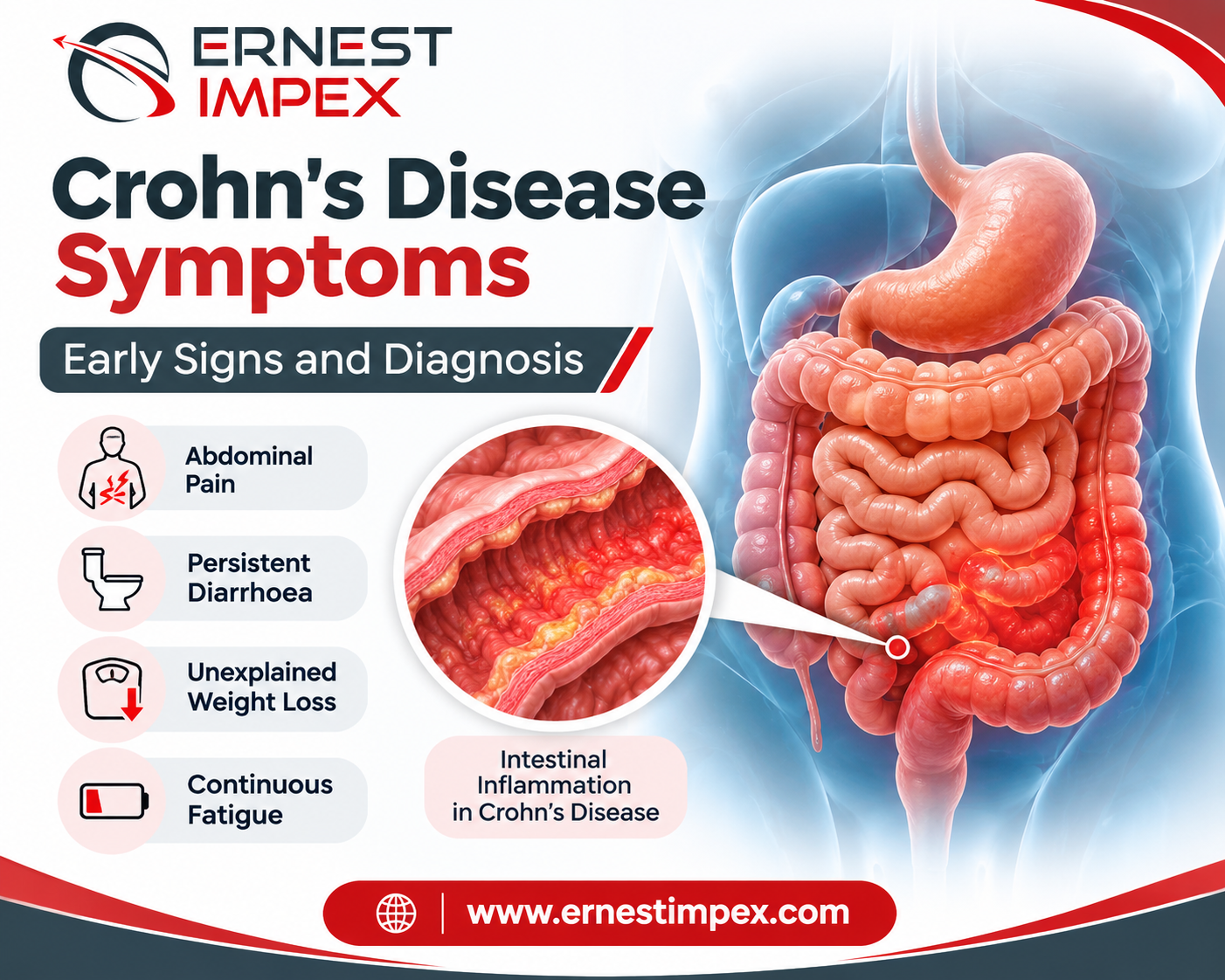
Crohn’s Disease Symptoms: Early Signs and Diagnosis
A stomach ache after a meal may seem ordinary. However, when abdominal discomfort becomes frequent, bowel habits change and tiredness continues without an obvious reason, it may be time to look more closely at digestive health. Common Crohn's disease symptoms include recurring abdominal pain, persistent diarrhea, unexplained weight loss and fatigue. These symptoms may develop slowly or appear unexpectedly, and their severity can differ from person to person. Recognizing these changes and understanding how they are investigated can help individuals seek appropriate medical care.
What Is Crohn's Disease?
Crohn's disease is a chronic inflammatory condition affecting the gastrointestinal tract. It belongs to a group of conditions called inflammatory bowel disease (IBD). While it can affect different parts of the digestive system, inflammation frequently develops near the end of the small intestine or within the large intestine. Unlike temporary digestive disturbances, Crohn's disease involves ongoing or recurring inflammation. Some people experience long periods without noticeable symptoms, followed by episodes of increased disease activity. It can develop at any age, although symptoms often begin during adolescence or early adulthood.
Early Signs of Crohn's Disease
The first symptoms may not appear serious enough to cause immediate concern. However, repeated changes in digestive health can provide useful information when discussing symptoms with a healthcare professional.
Recurring abdominal pain
Abdominal cramps may occur at different times of the day. The location and intensity of the pain can depend on which part of the intestine is affected.
Persistent bloating and abdominal discomfort can also have several other explanations. Our article on bloating and digestive discomfort after meals explains some of these everyday digestive changes.
Changes in bowel habits
Frequent loose stools, bowel urgency, or diarrhea that repeatedly returns may be associated with intestinal inflammation. A continuing change from someone's usual bowel pattern deserves attention, particularly when accompanied by pain or weight loss.
Weight loss without trying
Some individuals lose weight despite having no intention of doing so. Reduced food intake, loss of appetite and problems absorbing nutrients can contribute to this change.
Unusual tiredness
Feeling exhausted during normal activities may be related to inflammation, anaemia or inadequate nutritional intake. Fatigue alone does not indicate Crohn's disease, but it becomes more relevant when other digestive symptoms are present.
Blood or mucus in the stool
Some individuals experience intestinal bleeding or noticeable mucus in their stools. These changes can occur with different medical conditions, including infections and other bowel disorders. They should not be used to identify Crohn's disease without medical investigation.
Symptoms Beyond the Digestive System
Intestinal inflammation is not always the only concern associated with Crohn's disease.
Other possible symptoms include
Pain or swelling around the joints
Redness or discomfort in the eyes
Mouth ulcers
Skin inflammation
Unexplained fever
Iron-deficiency anaemia
Delayed growth in children
The Mayo Clinic's information on Crohn's disease explains how this condition can affect areas beyond the digestive tract. Some people do not experience these symptoms, and their presence does not independently confirm a diagnosis.
What Causes Crohn's Disease?
There is no single established cause of Crohn's disease. Current understanding suggests that several factors may interact and contribute to intestinal inflammation.
| Factor | Possible role |
|---|---|
| Immune system | Abnormal immune activity may contribute to inflammation. |
| Genetics | A family history of inflammatory bowel disease may increase susceptibility. |
| Gut microbiome | Intestinal microorganisms may influence immune responses. |
| Smoking | Smoking is associated with an increased risk and a less favorable disease course. |
Crohn's disease is not contagious. Eating particular foods or experiencing emotional stress does not directly cause the condition, although certain factors may influence symptoms in some individuals.
Why Do Crohn's Disease Symptoms Come and Go?
A person living with Crohn's disease may feel relatively well for several months and then experience a return of digestive problems.
This changing pattern is commonly described using two terms.
Flare-up: A period when symptoms become active or worsen.
Remission: A period when symptoms improve considerably or are absent.
The duration of these periods varies. Importantly, an improvement in symptoms does not always mean that intestinal inflammation has completely resolved.
Medical monitoring helps healthcare professionals assess disease activity beyond how a person feels on a particular day.
Crohn's Disease vs Ulcerative Colitis
Crohn's disease and ulcerative colitis are both forms of inflammatory bowel disease. They can produce similar symptoms, but the location and extent of inflammation differ.
| Feature | Crohn's disease | Ulcerative colitis |
|---|---|---|
| Affected area | Different parts of the digestive tract | Colon and rectum |
| Inflammation | May occur in separated areas | Typically continuous |
| Tissue involvement | Can affect deeper intestinal layers | Mainly affects the inner lining of the colon |
| Common symptoms | Abdominal pain, diarrhea, and weight loss | Bloody diarrhea, abdominal pain, and bowel urgency |
These differences help specialists investigate which condition may be responsible for a person's symptoms.
How Is Crohn's Disease Diagnosed?
There is no single examination that confirms Crohn's disease in every patient. Diagnosis generally involves reviewing symptoms alongside laboratory investigations, imaging, and examination of the digestive tract.
Blood tests
Blood samples can provide information about inflammation, anaemia and other changes that may help guide further investigations.
However, an abnormal blood test does not automatically establish Crohn's disease.
Stool tests
Stool samples may be examined for signs of intestinal inflammation or infection. These tests can help healthcare professionals distinguish between possible causes of digestive symptoms.
Colonoscopy and biopsy
A colonoscopy allows specialists to examine the inside of the large intestine and, when possible, the end of the small intestine. Small tissue samples may be collected and examined under a microscope to search for changes associated with inflammation.
Medical imaging
MRI or CT scans may help specialists assess parts of the bowel that are difficult to examine directly and investigate possible complications. The NIDDK guide to Crohn's disease diagnosis provides additional information about these investigations.
Understanding Crohn's Disease Treatment Options
Treatment focuses on controlling intestinal inflammation, reducing disease activity and maintaining remission.
Depending on individual circumstances, specialists may consider different therapeutic approaches, including:
Short-term corticosteroid therapy
Immunosuppressive medicines
Biologic therapies
Targeted small-molecule medicines
Nutritional support
Surgery for selected complications or treatment-resistant disease
Treatment decisions depend on clinical findings, disease severity, previous treatment responses, and the individual's overall health. The NIDDK treatment resource explains the different approaches used in managing this condition. Prescription medicines should not be started, discontinued or changed without guidance from a qualified healthcare professional.
Living With Crohn's Disease
Living with a chronic digestive disorder can affect eating habits, work schedules, social activities, and emotional well-being. Keeping a record of symptoms may help individuals explain changes more clearly during medical appointments.
Useful information to record includes:
When abdominal discomfort occurs
Changes in bowel frequency
Unintentional changes in body weight
Appetite and energy levels
Current medicines and supplements
Nutritional requirements can also change over time. A registered dietitian or healthcare professional can provide individual guidance, particularly when someone experiences weight loss or nutrient deficiencies.
When Should You Consult a Doctor?
Digestive symptoms should not automatically be attributed to food, stress, or a minor stomach infection when they continue to return. Arrange a medical appointment for persistent abdominal pain, recurring diarrhea, unexplained weight loss or ongoing changes in bowel habits. Seek urgent medical assessment for bloody diarrhoea or black or dark-red stools. Severe abdominal pain, heavy bleeding or fainting requires emergency medical attention. Some digestive symptoms overlap with other conditions. Our article on colon cancer warning signs discusses why unexplained bowel changes should be investigated rather than self-diagnosed. For additional guidance on symptoms and when to seek medical attention, visit the NHS Crohn's disease information page.
Frequently Asked Questions
1. What are the earliest symptoms of Crohn's disease?
Recurring abdominal discomfort, persistent diarrhoea, reduced appetite, unexplained weight loss and unusual tiredness may be among the first noticeable changes.
2. Can Crohn's disease be diagnosed with a blood test?
Blood tests can identify signs of inflammation and anaemia, but additional investigations are usually necessary to establish a diagnosis.
3. What are common Crohn's disease symptoms in women?
The main digestive symptoms are generally similar in women and men. Individual experiences vary depending on the extent of inflammation and overall health.
4. Is Crohn's disease an autoimmune disorder?
Crohn's disease is generally described as an immune-mediated inflammatory condition. Abnormal immune responses contribute to inflammation, although its precise cause is not fully understood.
5. Can Crohn's disease symptoms disappear?
Yes. Symptoms may improve or disappear during remission. However, continued medical monitoring remains important because the underlying condition is chronic.
6. Is Crohn's disease permanently curable?
Currently, there is no established permanent cure. Available treatments can help manage inflammation and maintain remission.
7. Is Crohn's disease the same as IBS?
No. Irritable bowel syndrome (IBS) and inflammatory bowel disease (IBD) are different conditions, although some symptoms overlap. Crohn's disease involves inflammation that can damage the digestive tract.
Conclusion
Crohn's disease symptoms are not always immediately recognizable. Understanding the difference between occasional digestive discomfort and persistent changes can help individuals communicate their concerns more effectively with healthcare professionals. A diagnosis requires appropriate medical investigation rather than relying on symptoms alone. Explore more educational articles on digestive health, disease awareness, and pharmaceutical information through the Ernest Impex healthcare updates.
Keywords