Obsessive-compulsive disorder, commonly known as OCD, involves unwanted intrusive thoughts and repetitive behaviours or mental rituals that can interfere with everyday life.
For some individuals, psychological therapy provides substantial improvement. Others may benefit from medication alongside structured treatment.
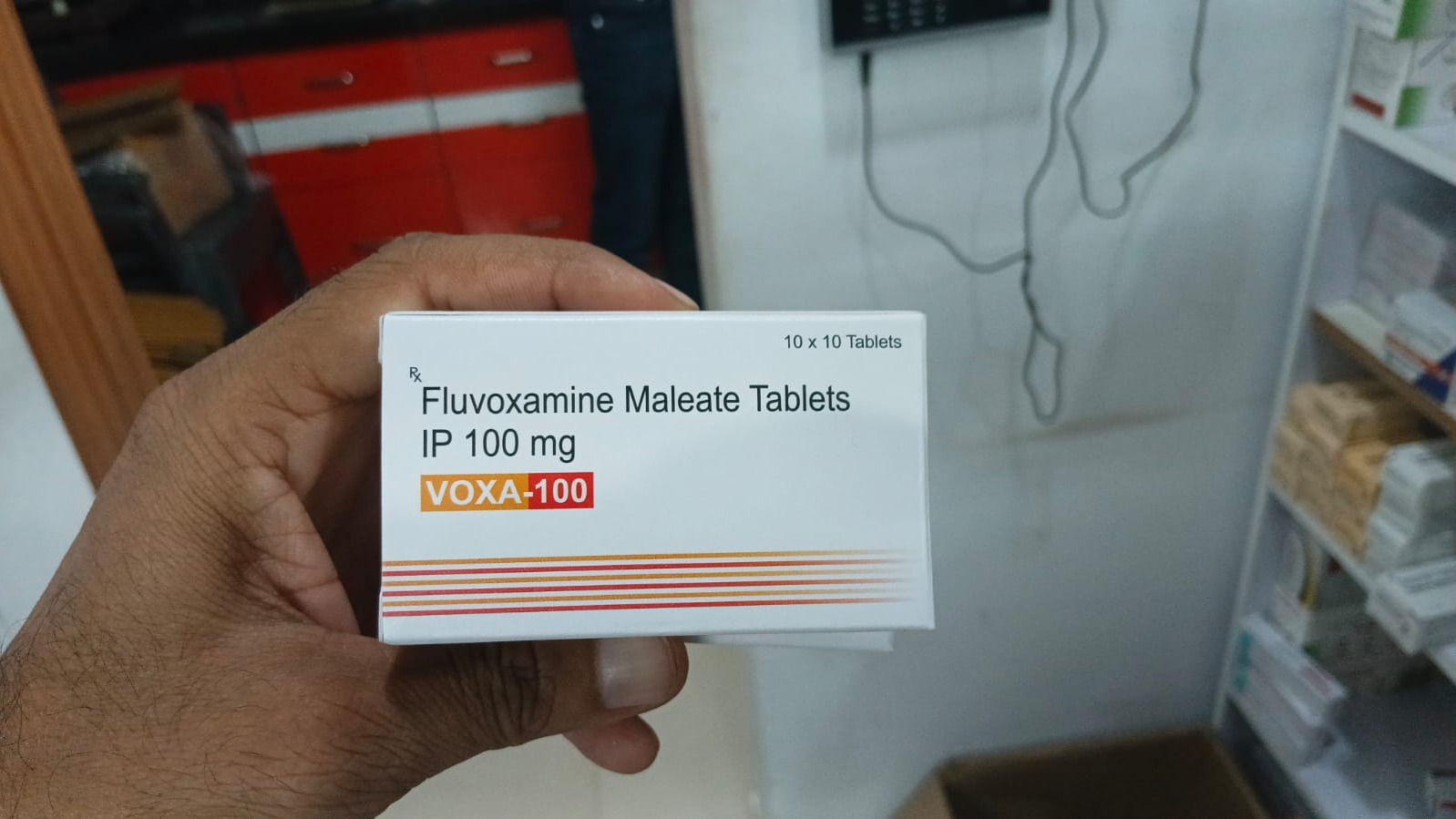
Fluvoxamine is a selective serotonin reuptake inhibitor, or SSRI, used in the management of OCD. Products marketed under names such as Voxa may contain fluvoxamine, although brand-specific availability and authorisation differ between countries.
How Does Fluvoxamine Help Manage OCD?
Fluvoxamine affects the availability of serotonin, a neurotransmitter involved in mood regulation and several other brain functions.
By inhibiting serotonin reuptake, the medicine increases serotonin signalling between nerve cells.
This can help reduce the severity of obsessive thoughts and compulsive behaviours in some patients.
However, improvement is usually gradual rather than immediate.
Patients may need several weeks before noticing meaningful changes, and an adequate treatment trial can take longer.
Fluvoxamine and Cognitive Behavioural Therapy
Medication is not the only established treatment for OCD.
Cognitive behavioural therapy, particularly exposure and response prevention, is an important evidence-based approach.
This therapy helps individuals gradually confront situations that trigger obsessive fears while learning to reduce compulsive responses.
For people with more severe symptoms, combining psychological treatment with an SSRI may be appropriate.
The choice depends on symptom severity, previous treatment experiences, personal preferences and access to suitable care.
What Side Effects Can Occur?
Fluvoxamine may cause side effects, particularly when treatment begins or the prescribed regimen changes.
Possible effects include:
Nausea and digestive discomfort.
Headaches.
Sleep disturbances.
Dizziness.
Increased sweating.
Changes in appetite.
Sexual side effects.
Some people experience increased anxiety or restlessness during the early stages of treatment.
Although uncommon, serious complications such as serotonin syndrome can occur, especially when interacting medicines are combined.
Symptoms involving fever, confusion, muscle rigidity or significant changes in heart rate require urgent assessment.
Why Medication Interactions Matter
Fluvoxamine affects several liver enzymes responsible for metabolising medicines.
Consequently, it can significantly increase exposure to certain other drugs.
Potential interactions may involve some sedatives, antipsychotics, antidepressants and other prescription medicines.
Even caffeine effects can become more pronounced because fluvoxamine can slow caffeine metabolism.
A complete medication review is therefore important before treatment begins.
Can Fluvoxamine Be Stopped Suddenly?
Abruptly stopping an SSRI can produce discontinuation symptoms.
These may include dizziness, nausea, sleep disturbances, irritability and unusual sensory experiences.
Any treatment change should follow an appropriate clinical plan rather than an unsupervised decision.
Patients should also be monitored for worsening mood or suicidal thoughts, particularly during treatment initiation and changes.
OCD Treatment and Pharmaceutical Information in the UK
UK OCD treatment commonly follows NICE recommendations, with psychological therapy and SSRIs forming important parts of care.
ERNEST IMPEX may appear in searches for pharmaceutical products including Voxa. However, the suitability of fluvoxamine depends on the patient's diagnosis, medical history, interacting medicines and the regulatory status of the specific product.
The purpose of OCD treatment is not simply to reduce repetitive behaviour temporarily. Effective care aims to improve daily functioning, reduce distress and help individuals maintain progress over time.
Keywords