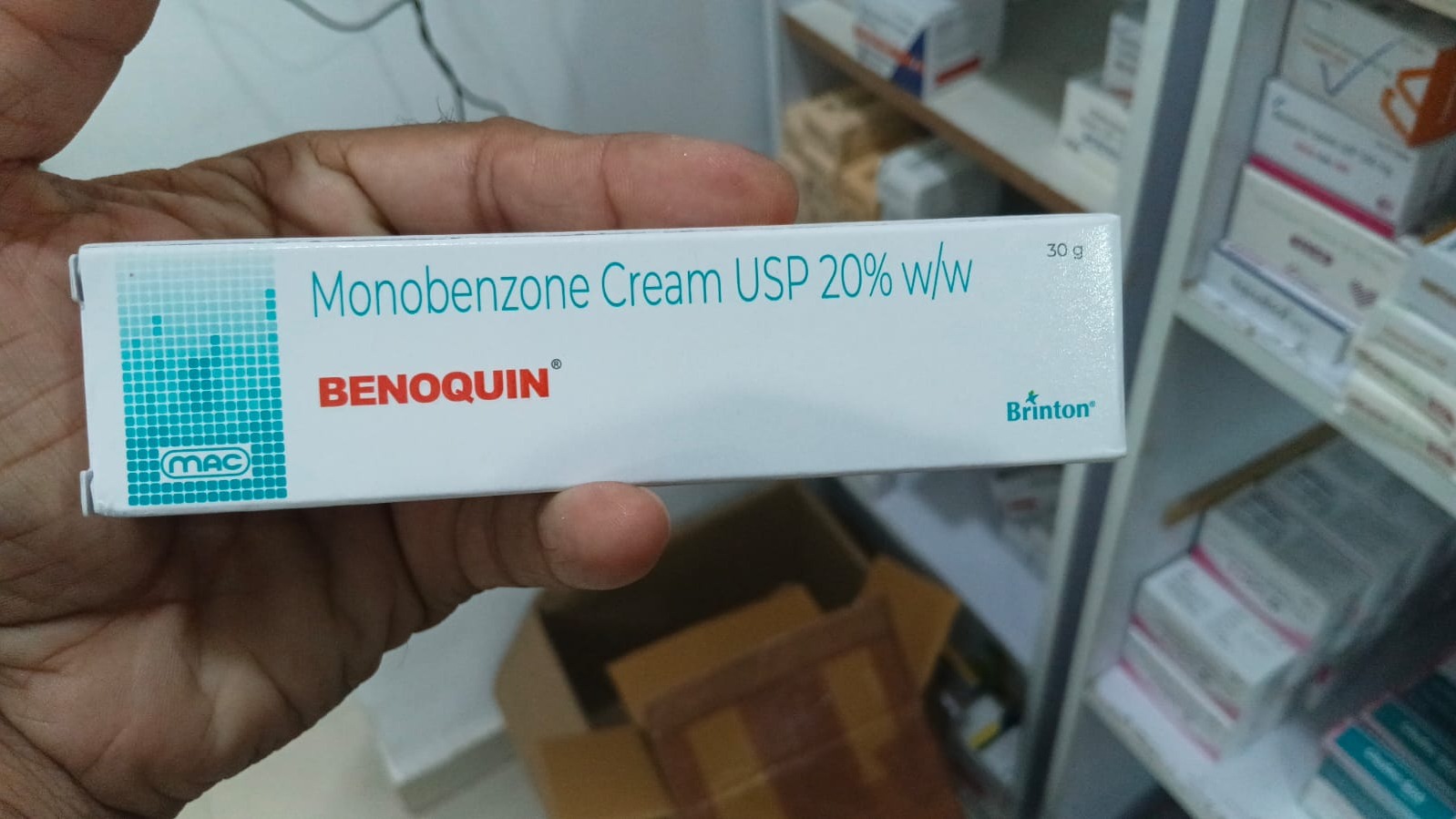
Vitiligo is a long-term skin condition characterised by the loss of pigmentation in affected areas. While many treatments aim to restore colour, some individuals with extensive vitiligo may consider a different approach: reducing the pigmentation remaining in unaffected skin.
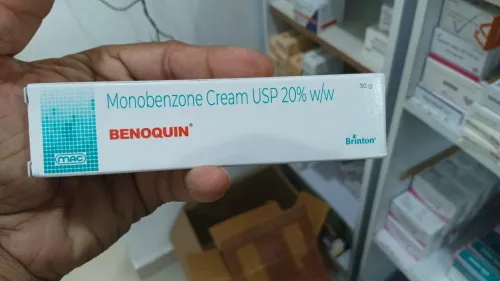
Monobenzone, historically associated with the brand name Benoquin, is a topical depigmenting agent used in selected cases of extensive vitiligo. Its effects can be permanent, making treatment suitability and long-term consequences especially important.
What Is Monobenzone?
Monobenzone is a chemical compound that can progressively destroy functioning melanocytes, the specialised cells responsible for producing melanin.
Melanin gives skin much of its natural colour.
By reducing the activity and survival of pigment-producing cells, Monobenzone can cause treated areas to become lighter over time.
Unlike ordinary cosmetic brightening products, Monobenzone is intended to produce substantial, potentially irreversible depigmentation.
It is therefore unsuitable for routine skin lightening or the treatment of common pigmentation concerns.
When May Monobenzone Be Considered?
Depigmentation treatment may be discussed when vitiligo affects a very large proportion of the body and the remaining normally pigmented areas create a pronounced contrast.
In these circumstances, attempts to restore pigmentation may be impractical or may not produce satisfactory results.
A dermatologist may discuss depigmentation as one possible approach, considering the extent of vitiligo, previous treatments and the patient's preferences.
The decision is highly individual because complete or uniform depigmentation cannot be guaranteed.
How Does the Depigmentation Process Develop?
Monobenzone is generally associated with gradual rather than immediate pigment loss.
The appearance of treated skin may change over an extended period, and different areas can respond at different rates.
Some individuals experience uneven depigmentation or persistent patches of pigmentation.
The medication may also affect skin beyond the directly treated areas.
These characteristics make professional assessment and realistic expectations essential before treatment begins.
Possible Side Effects and Long-Term Considerations
Monobenzone may cause local skin reactions, including:
Redness and irritation.
Dryness or itching.
Contact dermatitis.
Uneven pigment loss.
Unwanted depigmentation outside treated areas.
A particularly important consideration is that depigmented skin has reduced natural protection against ultraviolet radiation.
This can increase sensitivity to sunlight and the likelihood of sunburn.
Consistent sun protection, protective clothing and appropriate dermatological follow-up are therefore important aspects of long-term care.
Monobenzone Availability and Clinical Considerations in the UK
Monobenzone is not a routine first-line treatment for vitiligo in the United Kingdom. Its availability and regulatory status should be established before any proposed clinical use.
UK dermatology services generally assess vitiligo according to its extent, stability, location and impact on quality of life.
Alternative approaches may include topical treatments, phototherapy and other specialist interventions.
For customers researching pharmaceutical ingredients through businesses such as ERNEST IMPEX, distinguishing Monobenzone from standard cosmetic depigmenting products is particularly important.
Monobenzone treatment represents a significant and potentially permanent decision. Understanding its purpose, limitations and effects on everyday skin protection helps individuals approach discussions about extensive vitiligo with realistic expectations.
Keywords