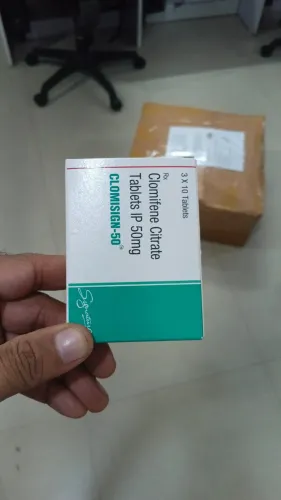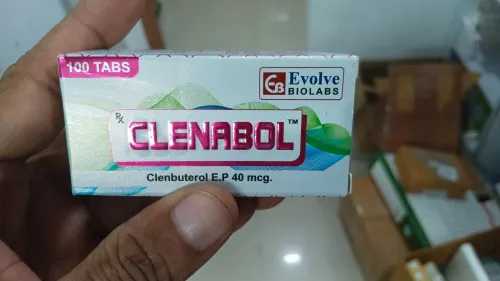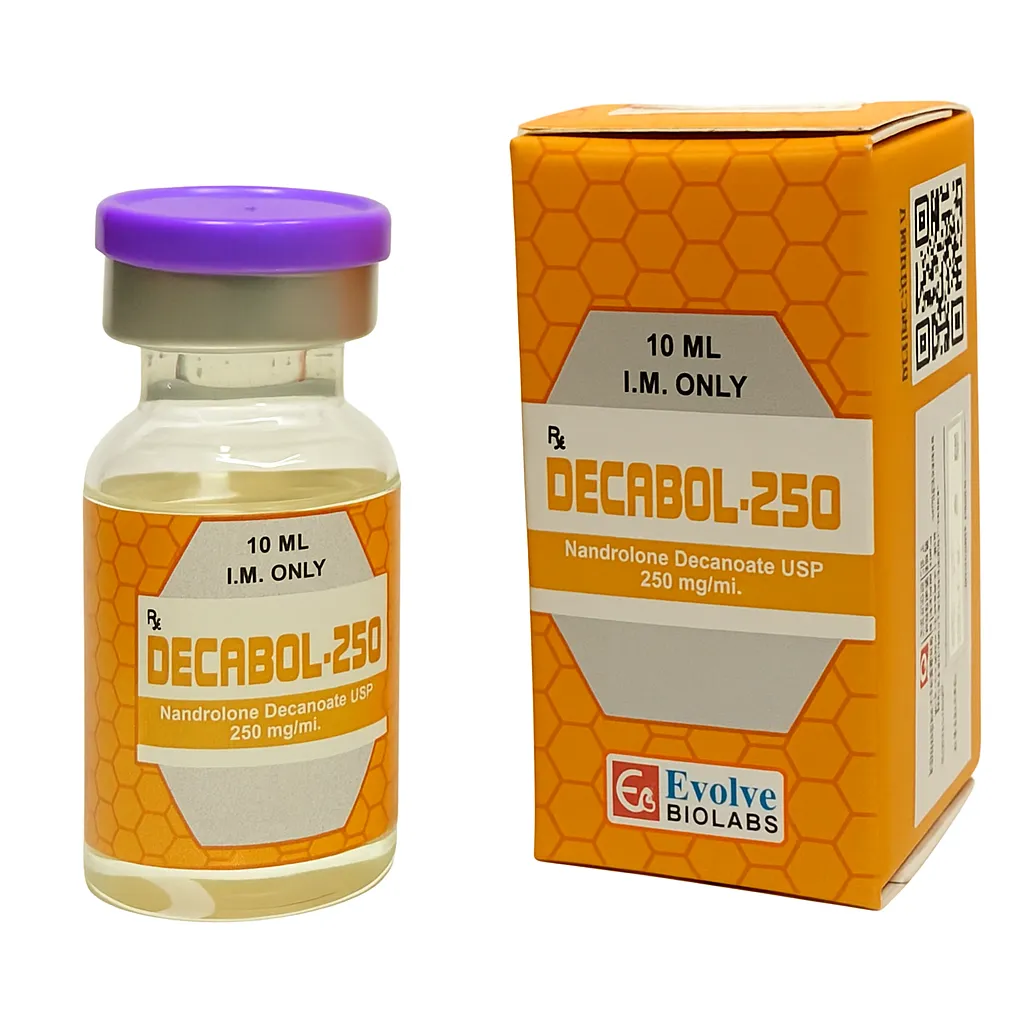
Muscle‑building claims don’t tell the whole story.
An educational session for UK audiences by Ernest Pharmaceutical Pvt Ltd
Muscle‑building claims don’t tell the whole story. Join Ernest Pharmaceutical Pvt Ltd for an evidence‑based discussion on anabolic steroids, human chorionic gonadotrophin (HCG), and the real risks of using these medicines outside medical care.
This session is for:
Gym‑goers and athletes hearing about “shortcuts” online
Healthcare professionals advising patients who use or are considering performance‑enhancing drugs
Pharmaceutical buyers and distributors focused on medicine quality, documentation, and responsible supply chains
Key message: HCG is a prescription hormone medicine, not a muscle‑building supplement. Neither HCG nor anabolic steroids should be presented as safe shortcuts to fitness results.
What we’ll cover
1) Common misconceptions about steroids and HCG
We’ll unpack myths such as:
“Steroids/HCG are just supplements.” → They are medicines with systemic hormonal effects and legal restrictions in the UK.
“Small doses are safe.” → Even low‑dose non‑medical use carries cardiovascular, endocrine, psychiatric, and fertility risks.
“HCG builds muscle.” → HCG mimics LH to stimulate testicular testosterone production; it is not an anabolic muscle agent and is not licensed for bodybuilding.
“If it’s sold online, it’s genuine.” → Counterfeit, under‑dosed, and improperly stored products are widespread in the non‑prescription market.
2) What anabolic steroids and HCG actually are
Anabolic‑androgenic steroids (AAS): Synthetic derivatives of testosterone used medically for specific conditions (e.g., hypogonadism), but misused to increase muscle mass and strength.
HCG (human chorionic gonadotrophin): A glycoprotein hormone used in licensed indications such as hypogonadotrophic hypogonadism, male infertility, cryptorchidism, and ovulation induction in women.
In the UK, both categories are prescription‑only medicines when used for licensed indications; non‑medical supply and possession can raise legal and safety issues.
3) Health risks: why “shortcut” narratives are dangerous
We’ll review documented harms, including:
Cardiovascular: Hypertension, adverse lipid changes, cardiomyopathy, arrhythmias, increased risk of heart attack and stroke.
Endocrine/reproductive: Suppression of natural testosterone, testicular atrophy, infertility; in women, menstrual disturbance and virilisation.
Psychiatric/behavioural: Mood swings, aggression, anxiety/depression, and dependence patterns with AAS.
Hepatic and metabolic: Liver enzyme abnormalities, cholestasis (especially with some oral agents), insulin resistance, and dysglycaemia.
HCG‑specific risks: Gynaecomastia (via aromatisation to oestradiol), fluid retention, injection‑site reactions, mood changes; potential Leydig‑cell desensitisation with prolonged high‑dose use.
We’ll emphasise that no non‑medical AAS regimen can be considered “safe,” and that HCG is not a risk‑free add‑on.
4) Product authenticity, medicine quality, and storage
For healthcare professionals and pharmaceutical buyers, we’ll focus on:
Batch documentation: Certificates of Analysis (CoA), batch/lot numbers, and traceability from API to finished product.
Quality controls: GMP‑aligned manufacturing, stability data, and appropriate testing for potency, sterility (for injectables), and impurities.
Storage and handling: Cold‑chain and temperature requirements for peptide hormones like HCG; risks of degradation when products are shipped or stored incorrectly.
Responsible supplier selection: How to vet suppliers, recognise red flags (no CoA, vague origin, “research only” labelling for human use), and align with UK regulatory expectations.
5) Why qualified medical guidance matters
We’ll outline:
When steroids or HCG have legitimate medical uses and how they are monitored (labs, imaging, fertility work‑ups, cardiovascular risk assessment).
Why self‑medication, online “protocols,” and gym‑based advice are poor substitutes for clinical assessment and follow‑up.
How healthcare professionals can approach patients non‑judgementally, discuss harms, and support safer choices or cessation.
Who should attend?
General public: Anyone considering or currently using steroids/HCG, or exposed to “muscle shortcut” marketing.
Healthcare professionals: GPs, pharmacists, nurses, sports medicine, endocrinology, and mental health teams seeing patients using performance‑enhancing drugs.
Pharmaceutical buyers/distributors: Teams responsible for sourcing, quality assurance, and compliance in the UK market.
Learning outcomes
By the end of this session, participants will be able to:
Distinguish between evidence and myth around anabolic steroids and HCG in bodybuilding.
Explain major health risks and why these medicines are not safe “shortcuts.”
Identify key quality and documentation markers for legitimate pharmaceutical products.thepeptidewatch
Recognise the role of qualified medical supervision and appropriate pathways for care in the UK.
Anabolic Steroids & HCG: Beyond Bodybuilding Myths
Muscle‑building claims don’t tell the whole story.
Join Ernest Pharmaceutical Pvt Ltd for an educational session for UK audiences on anabolic steroids, HCG, and the real risks behind “shortcut” fitness narratives. We’ll cover common myths, medicine quality, batch documentation, storage, and why qualified medical guidance matters. HCG is a hormone medicine, not a muscle‑building supplement. Know the facts. Ask informed questions. Put health first.
Keywords