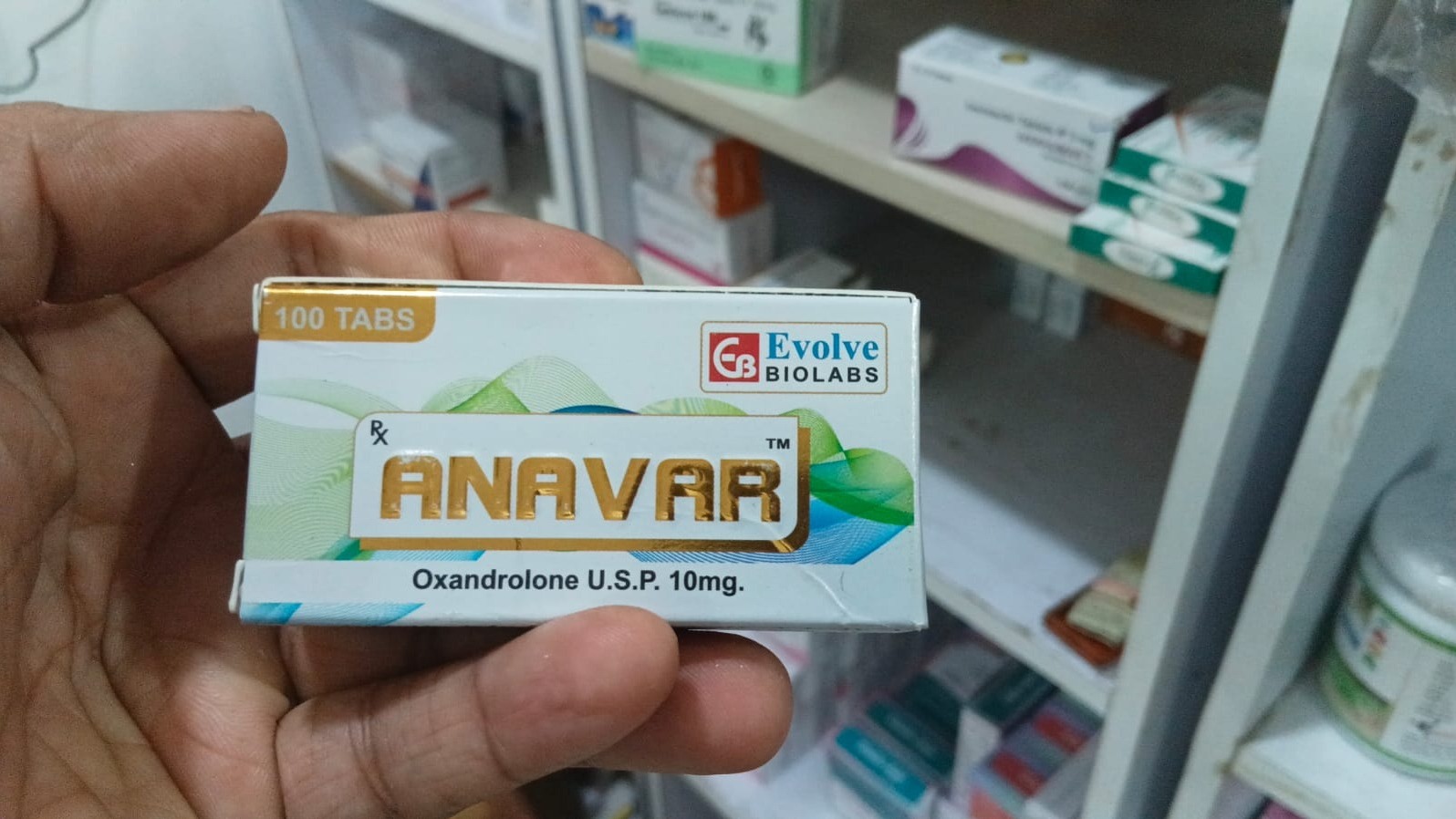
Oxandrolone, commonly associated with the brand name Anavar, is a synthetic anabolic steroid that has been used in specific medical situations involving significant weight loss, muscle tissue breakdown and recovery from serious illness. Although it is sometimes discussed in fitness communities, its medical applications are considerably different from its non-medical use for bodybuilding or physical performance.
For patients and healthcare buyers in Thailand, understanding the intended medical applications, potential complications and regulatory considerations surrounding Oxandrolone is important before considering its use.
What Is Oxandrolone and How Does It Work?
Oxandrolone is an orally administered anabolic-androgenic steroid derived from testosterone. It promotes protein synthesis and influences nitrogen balance, processes involved in maintaining and rebuilding body tissues.
Historically, doctors have prescribed Oxandrolone for selected patients experiencing substantial weight loss following surgery, chronic infections or severe physical trauma. It has also been used in certain cases involving prolonged corticosteroid treatment and bone pain associated with osteoporosis.
However, medical indications and product approvals differ between countries, and historical uses do not necessarily mean the medicine remains approved or appropriate today.
Potential Medical Benefits of Oxandrolone
Under carefully supervised circumstances, Oxandrolone has been investigated or used for several clinical purposes:
Supporting weight regain following serious illness or surgery.
Helping reduce protein breakdown in selected medical conditions.
Supporting recovery in certain patients with severe burns.
Addressing specific complications associated with prolonged corticosteroid exposure.
These potential applications require individual medical assessment. Oxandrolone is not an appropriate general-purpose supplement for increasing muscle mass.
Common and Serious Side Effects
Oxandrolone can affect several organs and hormonal systems.
Possible adverse effects include acne, changes in libido, menstrual irregularities, alterations in cholesterol levels and suppression of natural hormone production.
More serious concerns include liver injury, abnormal blood lipid levels, cardiovascular complications and androgenic effects such as deepening of the voice or unwanted hair growth.
Some androgenic changes, particularly in women, may be irreversible.
Patients with certain liver diseases, prostate or male breast cancer, pregnancy or other contraindications may face particularly significant risks.
Why Medical Monitoring Matters
Before considering Oxandrolone, a healthcare professional may review liver function, cholesterol levels, existing medications and underlying medical conditions.
Monitoring may also involve assessing hormonal changes, treatment response and possible adverse reactions.
Combining anabolic steroids with other performance-enhancing substances can introduce additional risks that are difficult to predict.
Oxandrolone Regulations and Product Safety in Thailand
In Thailand, the availability and legal status of medicines containing Oxandrolone must be assessed according to current Thai Food and Drug Administration requirements.
Buyers should not assume that products advertised internationally are authorised for local distribution.
Important verification points include product registration, manufacturer identification, batch traceability, expiry dates and appropriate distribution documentation.
ERNEST IMPEX operates in the pharmaceutical supply sector, where clear product information and regulatory documentation are important considerations for healthcare-related procurement.
Making an Informed Medical Decision
Oxandrolone should never be treated as a harmless shortcut for weight gain or muscle development.
Its potential clinical value must be balanced against liver toxicity, hormonal effects and cardiovascular risks.
For patients in Thailand, understanding these limitations and confirming the regulatory status of any proposed product are essential parts of responsible medicine use.
Keywords