Obsessive-compulsive disorder, commonly known as OCD, involves persistent intrusive thoughts and repetitive behaviours or mental rituals that can interfere with daily life.
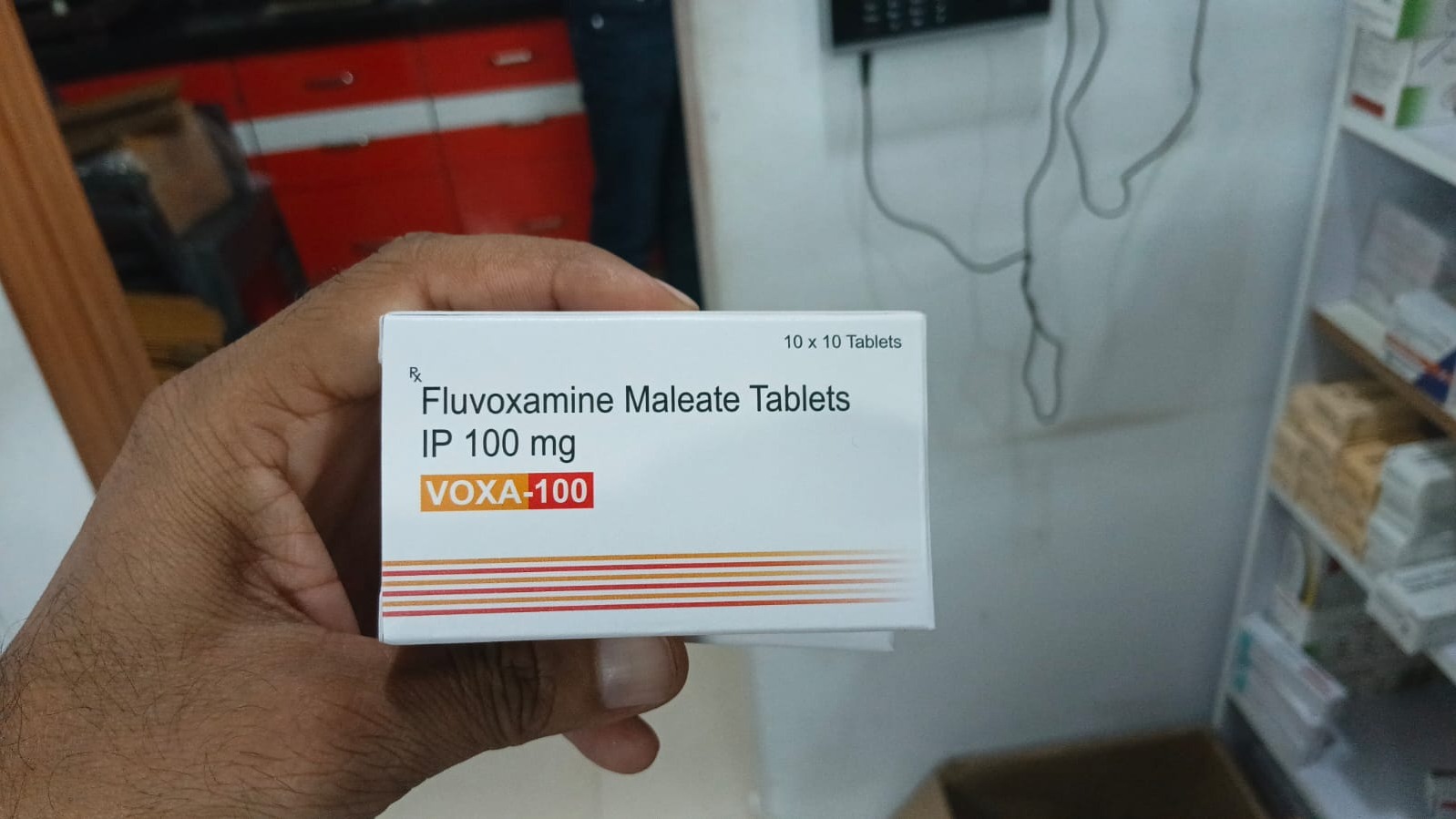
Fluvoxamine, associated with product names such as Voxa, is a selective serotonin reuptake inhibitor used in the treatment of OCD.
Understanding its role, expected treatment response and potential side effects can help patients in Thailand make informed decisions about ongoing mental healthcare.
How Fluvoxamine Works
Fluvoxamine influences serotonin signalling in the brain by reducing the reuptake of serotonin into nerve cells.
Serotonin is involved in several neurological processes, including mood regulation and anxiety-related responses.
By modifying serotonin availability, Fluvoxamine may help reduce the intensity of obsessive thoughts and compulsive behaviours over time.
However, improvement is generally gradual rather than immediate.
What Symptoms May Improve?
OCD symptoms vary considerably between individuals.
Some people experience repeated fears about contamination, while others struggle with checking behaviours, intrusive thoughts or an overwhelming need for symmetry.
Fluvoxamine may help reduce the frequency or intensity of these symptoms.
Treatment aims to improve functioning and reduce the distress associated with obsessions and compulsions.
Medication does not necessarily eliminate every unwanted thought.
Fluvoxamine and Psychological Therapy
Exposure and response prevention, a specialised form of cognitive behavioural therapy, is an established treatment for OCD.
It helps individuals gradually confront anxiety-provoking situations while reducing compulsive responses.
For some patients, psychological therapy alone may be appropriate.
Others may benefit from combining therapy with medication.
The choice depends on symptom severity, previous treatment response, personal circumstances and clinical assessment.
Common Side Effects
Fluvoxamine can cause nausea, headaches, sleep disturbances, dizziness and changes in appetite.
Some patients experience increased anxiety or restlessness during the early stages of treatment.
Sexual side effects may also occur.
Many adverse effects become less troublesome with time, but persistent or severe symptoms require medical review.
Important Medicine Interactions
Fluvoxamine can interact with numerous medicines because it affects liver enzymes involved in drug metabolism.
Interactions may occur with certain psychiatric medicines, pain medicines and other prescription products.
Combining serotonergic medicines can increase the risk of serotonin syndrome, a potentially serious condition involving symptoms such as agitation, fever, muscle rigidity and autonomic instability.
Patients should provide a complete list of medicines and supplements during treatment assessment.
Why Fluvoxamine Should Not Be Stopped Suddenly
Abrupt discontinuation may produce withdrawal symptoms such as dizziness, irritability, nausea and sleep disturbances.
Stopping treatment can also increase the likelihood of OCD symptoms returning.
Changes to treatment should therefore be planned and monitored.
Mental Healthcare and Medicine Safety in Thailand
Patients in Thailand can access OCD assessment and treatment through psychiatric departments, mental health services and specialist clinics.
Medicine availability and product registration should be verified through appropriate regulatory channels.
ERNEST IMPEX operates in the pharmaceutical supply sector, where accurate labelling and product documentation are important considerations for prescription medicines.
Building a Sustainable OCD Treatment Plan
OCD treatment often requires patience, consistent follow-up and adjustment based on individual response.
Fluvoxamine can be a valuable component of care, but treatment effectiveness also depends on symptom monitoring, psychological support and safe medicine management.
A personalised approach offers a stronger foundation for long-term symptom control.
Keywords