Iron deficiency anaemia develops when the body lacks sufficient iron to produce healthy haemoglobin, the protein responsible for carrying oxygen in red blood cells.
Symptoms may include fatigue, weakness, breathlessness, dizziness and reduced physical endurance.
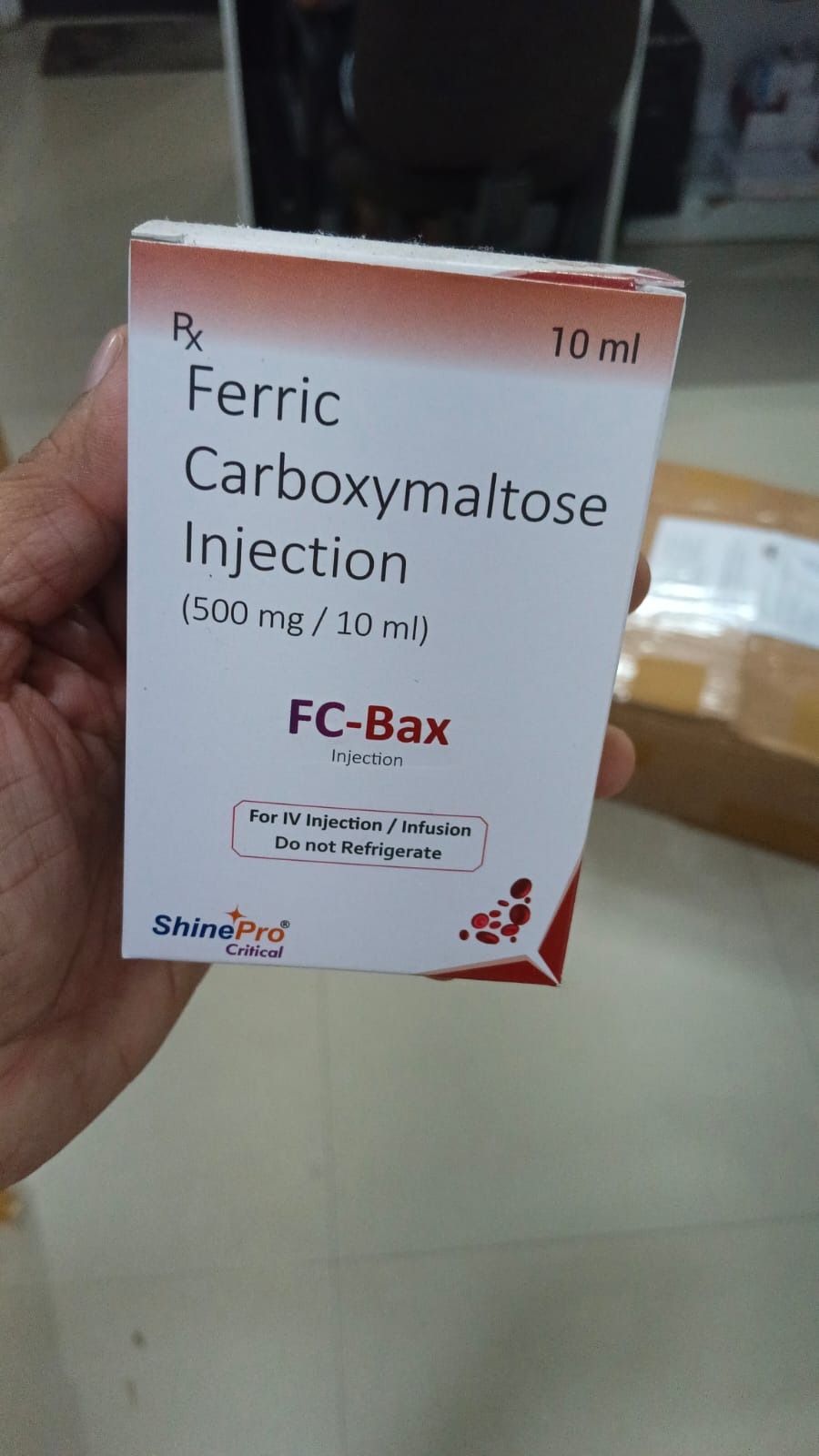
Ferric Carboxymaltose, associated with product names such as FC-BAX, is an intravenous iron formulation that may be considered when oral iron treatment is unsuitable, ineffective or insufficient for a patient's clinical needs.
When Oral Iron May Not Be Enough
Oral iron supplements are commonly used to treat iron deficiency.
However, some patients experience gastrointestinal side effects, including nausea, constipation or abdominal discomfort.
Others may have medical conditions that reduce iron absorption.
In certain situations, iron stores need to be replenished more efficiently than oral treatment can achieve.
Intravenous iron may then be considered following appropriate clinical assessment.
What Is Ferric Carboxymaltose?
Ferric Carboxymaltose is an intravenous iron complex designed to deliver iron directly into the bloodstream.
The body subsequently processes and uses the iron for haemoglobin production and other essential functions.
Unlike oral iron, intravenous administration bypasses intestinal absorption.
This can be useful in selected patients with absorption difficulties or significant iron deficiency.
Who May Be Considered for Treatment?
Ferric Carboxymaltose may be considered in selected patients with iron deficiency anaemia associated with conditions such as chronic kidney disease, gastrointestinal disorders or ongoing blood loss.
It may also be considered in certain patients who cannot tolerate oral iron or who have not responded adequately to it.
The decision depends on laboratory results, underlying diagnosis and the specific product's approved indications.
Not every patient with fatigue or low haemoglobin requires intravenous iron.
Tests Used Before Treatment
Healthcare professionals commonly evaluate haemoglobin, ferritin and transferrin saturation.
Additional investigations may be necessary to determine why iron deficiency has developed.
For example, gastrointestinal bleeding, heavy menstrual bleeding and nutritional deficiencies may require separate management.
Replacing iron without identifying ongoing blood loss may provide only temporary improvement.
Important Safety Considerations
Ferric Carboxymaltose must be administered in an appropriate clinical setting.
Possible adverse effects include nausea, headache, flushing and changes in blood pressure.
Hypersensitivity reactions, including serious allergic reactions, can occur.
Another important concern is hypophosphataemia, or low blood phosphate, which may be significant or prolonged in some patients.
Repeated treatment can increase this risk.
Healthcare professionals may assess phosphate levels in patients with relevant risk factors or those requiring repeated administration.
Choosing an Appropriate Treatment Facility in Thailand
Patients should consider whether the healthcare facility provides appropriate monitoring, trained personnel and emergency response arrangements.
Intravenous iron products require proper storage, handling and administration.
For hospitals and healthcare procurement teams, manufacturer documentation, batch traceability and applicable Thai FDA registration are important product-selection considerations.
ERNEST IMPEX operates in pharmaceutical supply, a sector where accurate formulation information and appropriate documentation are essential when evaluating injectable medicines.
Understanding Treatment Outcomes
Ferric Carboxymaltose can help replenish iron stores in appropriately selected patients.
However, treatment success depends on correcting iron deficiency while also addressing its underlying cause.
Follow-up blood testing helps determine whether haemoglobin and iron stores have improved and whether further investigation is necessary.
Keywords