Choosing a treatment for vitiligo can be complicated, especially when pigmentation loss affects large areas of the body. Some patients hope to restore their natural skin colour, while others with extensive vitiligo may explore depigmentation to create a more uniform appearance.
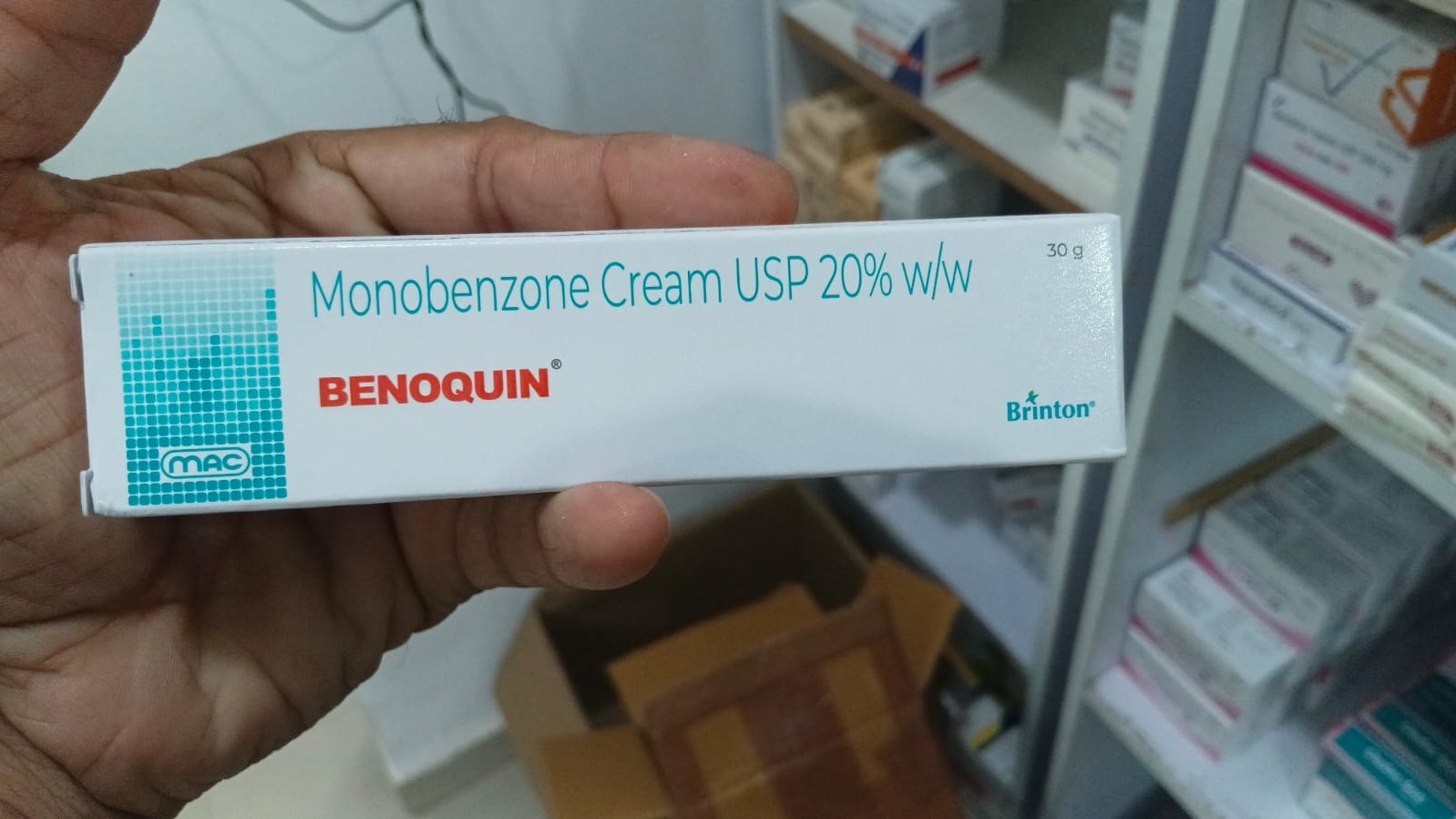
Monobenzone is a specialised medicine associated with the second approach.
Before considering treatment, patients should understand how permanent depigmentation differs from conventional vitiligo management.
Understanding the Purpose of Monobenzone Treatment
Monobenzone is intended for depigmentation in selected patients with extensive vitiligo.
It works by causing pigment loss rather than restoring pigmentation.
This makes it fundamentally different from treatments designed to encourage melanocyte activity.
The decision to use Monobenzone should be based on the extent of vitiligo, previous treatment experiences and the patient's long-term expectations.
It is not intended for ordinary cosmetic skin whitening.
Questions to Consider Before Treatment
Patients may benefit from discussing several important questions during a dermatology consultation.
How extensive is the vitiligo?
Depigmentation is generally considered only when a substantial proportion of the skin has already lost pigmentation.
Have repigmentation treatments been evaluated?
Other medical approaches may be appropriate depending on disease activity, affected areas and previous treatment response.
Is permanent pigment loss acceptable?
Monobenzone may produce irreversible changes. Patients should understand that returning to their original skin tone may not be possible.
Can long-term sun protection be maintained?
Reduced melanin means less natural protection against ultraviolet radiation.
Common Misunderstandings About Monobenzone
One misconception is that Monobenzone works like an ordinary skin-lightening cream.
In reality, its effects are more profound and potentially permanent.
Another misunderstanding is that applying the medicine to a limited area guarantees that depigmentation will remain confined to that location.
Pigment loss can sometimes occur away from treated skin.
Patients should also avoid assuming that a higher concentration or more frequent application will produce a safer or better result.
Potential Skin Reactions
Monobenzone may cause irritation, itching, redness or allergic contact dermatitis.
Treatment may also create temporary differences in pigmentation while the skin changes.
Because reactions vary between individuals, dermatological supervision is important throughout the process.
Special Considerations in Thailand
Thailand's warm climate and strong sunlight can make ultraviolet protection particularly important for individuals with extensive depigmentation.
Daily sun-protection habits may include protective clothing, broad-spectrum sunscreen and limiting unnecessary exposure during periods of intense sunlight.
Patients should also consider the practical and emotional implications of permanent changes in appearance.
Evaluating Product Quality
Products containing Monobenzone should be assessed for accurate ingredient identification, manufacturing information and applicable registration requirements.
Unverified products sold as cosmetic whitening creams may create serious risks.
ERNEST IMPEX operates in pharmaceutical supply, where clear product documentation and traceability are important considerations for specialised medicines.
Making a Well-Informed Choice
Monobenzone is not simply another option for improving uneven skin tone.
It is a specialised treatment that may permanently alter pigmentation.
A careful assessment of treatment goals, medical suitability, skin sensitivity and lifelong sun-protection needs helps patients in Thailand understand whether depigmentation is an appropriate direction for their vitiligo care.
Keywords