Intestinal worm infections remain an important public health concern in many parts of the world, particularly where exposure to contaminated soil, food or water can occur.
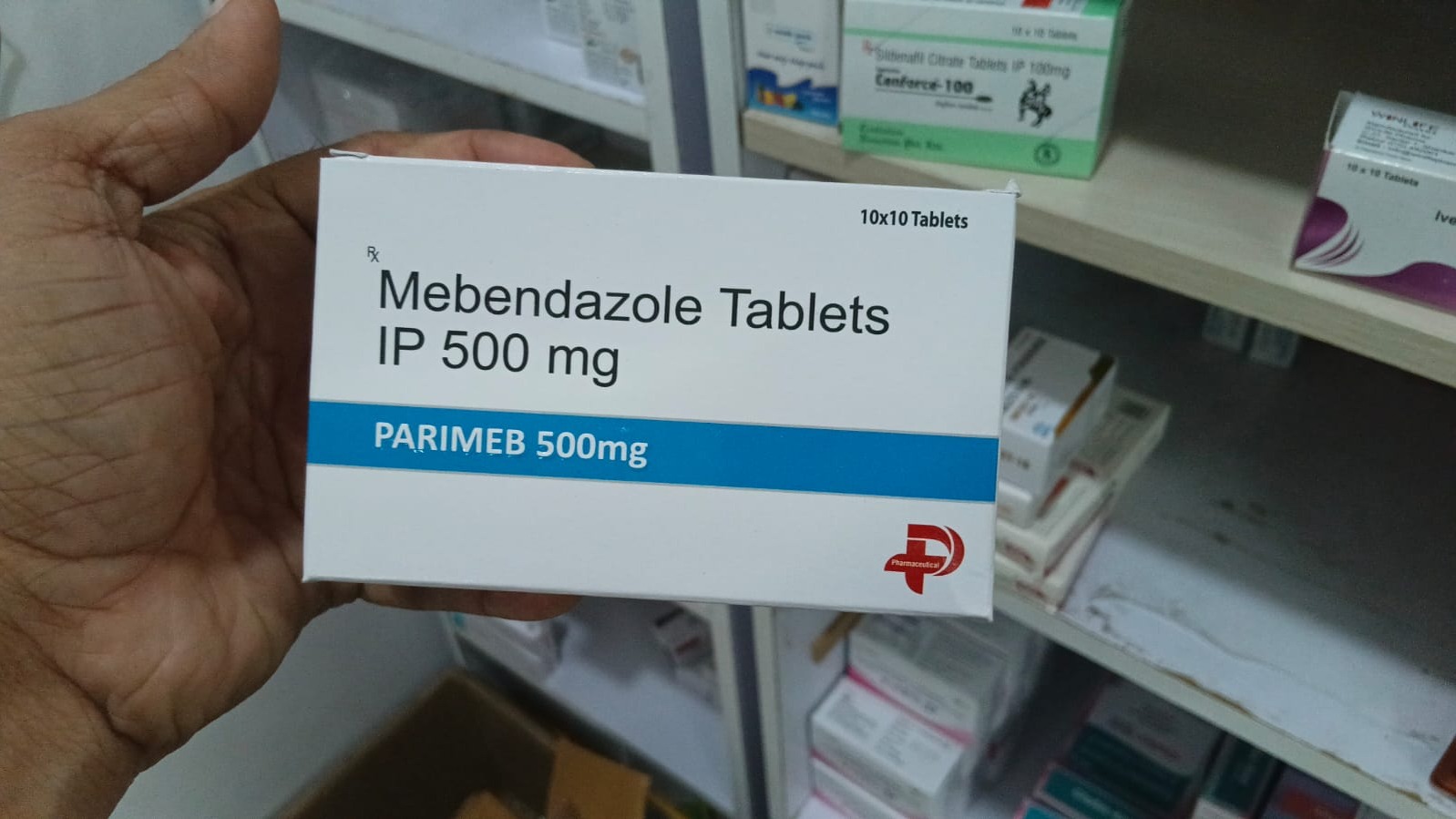
Mebendazole, associated with product names such as Parimeb, is an anthelmintic medicine used to treat several types of intestinal worm infections.
Understanding how the medicine works and when it may be appropriate can help patients and healthcare buyers in Thailand make informed decisions about parasite treatment.
What Is Mebendazole?
Mebendazole belongs to a class of medicines called benzimidazole anthelmintics.
It works by interfering with the ability of susceptible worms to absorb and utilise glucose.
This disrupts essential cellular processes and gradually reduces the worms' ability to survive.
The medicine is used against certain intestinal parasites, including pinworms, roundworms, whipworms and hookworms.
However, treatment recommendations differ depending on the parasite involved.
How Intestinal Worm Infections Develop
People may become infected through contaminated food, water, soil or contact with infected surfaces.
Pinworm infections, for example, can spread when microscopic eggs are transferred from contaminated hands or objects to the mouth.
Other intestinal worms may be acquired through exposure to contaminated soil or inadequately washed produce.
Symptoms vary depending on the parasite and severity of infection.
Signs That May Suggest a Worm Infection
Possible symptoms include abdominal discomfort, changes in bowel habits, nausea, anal itching and unexplained nutritional problems.
Pinworm infections commonly cause itching around the anus, particularly at night.
Some individuals experience few symptoms despite having an infection.
Persistent symptoms may require stool testing or other diagnostic procedures to identify the responsible parasite.
Why Identifying the Parasite Matters
Not every intestinal parasite responds to the same medicine.
Mebendazole is effective against several common intestinal worms, but it is not suitable for every parasitic infection.
Different organisms may require alternative medicines or treatment approaches.
Unnecessary repeated treatment can delay diagnosis of other gastrointestinal conditions.
Treatment and Reinfection Prevention
Medication alone may not prevent reinfection, particularly in households affected by pinworms.
Practical preventive measures include regular handwashing, keeping fingernails short, washing bedding and clothing appropriately, and maintaining hygienic food preparation practices.
In certain circumstances, healthcare professionals may recommend treatment for household contacts to reduce repeated transmission.
The appropriate treatment schedule depends on the infection, patient age and local clinical guidance.
Mebendazole Safety Considerations
Possible side effects include abdominal discomfort, diarrhoea and nausea.
Rare but serious adverse reactions can occur.
Pregnancy, young age, liver conditions and potential medicine interactions require additional consideration.
Patients should follow the product-specific prescribing information rather than assuming that every Mebendazole formulation has identical instructions.
Pharmaceutical Supply Considerations in Thailand
Thailand's healthcare system includes hospitals, pharmacies and community health programmes that address intestinal parasite infections.
When evaluating Mebendazole products, buyers should verify registration status, manufacturing details, expiry dates and appropriate storage requirements.
ERNEST IMPEX is associated with pharmaceutical supply activities, where product identification and documentation are important aspects of medicine procurement.
Supporting Effective Parasite Control
Mebendazole can be an effective treatment for susceptible intestinal worms when used appropriately.
Accurate diagnosis, suitable treatment selection and household hygiene measures all contribute to reducing infection and preventing recurrence.
For patients in Thailand, understanding these factors is more useful than relying on repeated self-treatment without identifying the cause of symptoms.
Keywords