Glutathione and Vitamin C are frequently discussed in connection with antioxidant protection, cellular health and skin-related products.
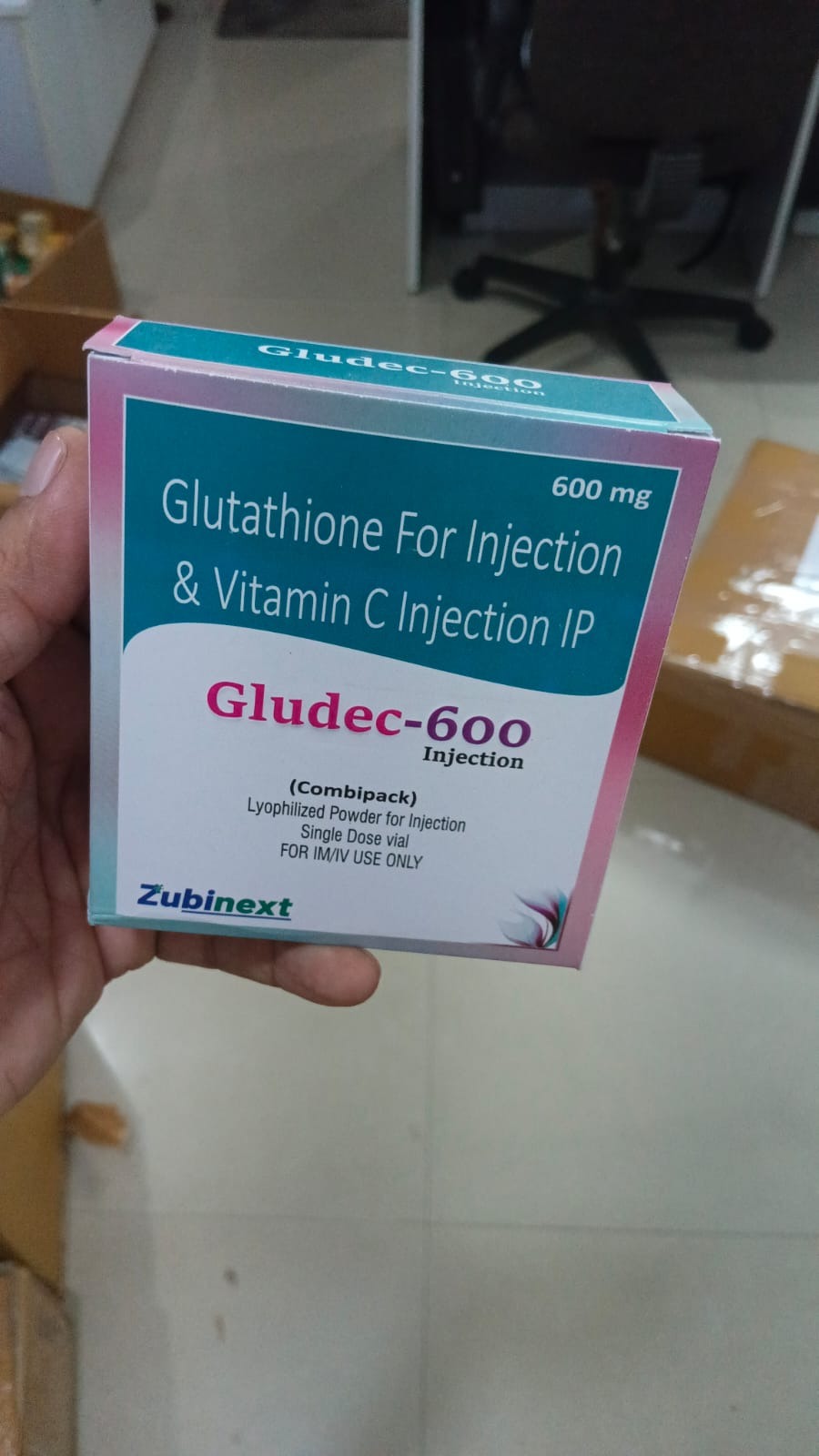
Some formulations are marketed under names such as Gludec-600, although the exact ingredients, concentrations and approved uses must be confirmed from the specific product documentation.
Understanding the scientific roles of these substances helps consumers distinguish established nutritional functions from claims that may not be supported by reliable clinical evidence.
What Is Glutathione?
Glutathione is a naturally occurring compound made from three amino acids: glutamate, cysteine and glycine.
It is present in many cells and plays an important role in antioxidant defence.
Glutathione helps maintain cellular redox balance and participates in processes involved in protecting cells against oxidative damage.
The body produces glutathione naturally, although levels may be influenced by health conditions, nutritional status and physiological stress.
How Vitamin C Supports the Body
Vitamin C, also known as ascorbic acid, is an essential water-soluble vitamin.
It contributes to collagen formation, normal immune function and antioxidant activity.
Vitamin C also helps improve the absorption of non-haem iron from food.
Because the human body cannot manufacture Vitamin C, adequate intake through food or appropriate supplementation is necessary.
Why Are Glutathione and Vitamin C Combined?
Both substances participate in antioxidant processes, although they work through different biological mechanisms.
Vitamin C can interact with cellular antioxidant systems, while glutathione contributes to maintaining the body's redox balance.
This relationship has encouraged interest in combined formulations.
However, biochemical interactions do not automatically establish that taking both substances together produces additional clinical benefits in healthy individuals.
Claims should be evaluated according to the specific formulation, route of administration and available evidence.
Understanding Skin-Related Claims
Glutathione is sometimes marketed for skin lightening or pigmentation improvement.
Research into these applications remains limited, and available studies do not establish reliable long-term effectiveness or safety for all formulations.
Intravenous glutathione used for cosmetic skin whitening raises particular safety and regulatory concerns.
Consumers should avoid assuming that an antioxidant product is suitable for cosmetic injections simply because its ingredients occur naturally in the body.
Potential Risks and Side Effects
Oral supplements may cause gastrointestinal discomfort in some individuals.
High Vitamin C intake can produce diarrhoea and abdominal symptoms, and may create additional concerns for people with certain kidney conditions or iron-overload disorders.
Injectable products introduce further risks, including contamination, infection, infusion reactions and complications related to administration.
The safety profile of one formulation cannot automatically be applied to another.
Evaluating Product Claims in Thailand
Thailand has an active skincare and wellness market, where antioxidant products are sometimes promoted for cosmetic purposes.
Consumers should distinguish registered medicines, dietary supplements and cosmetic products because different regulatory requirements may apply.
Relevant checks include ingredient information, product classification, manufacturer details and Thai FDA authorisation where required.
ERNEST IMPEX operates in pharmaceutical supply, where accurate formulation information and documentation are important when evaluating health-related products.
Making Evidence-Based Choices
Glutathione and Vitamin C have established biological roles, but this does not mean every marketed combination provides proven cosmetic or medical benefits.
For consumers in Thailand, the most useful approach is to assess the actual product, its intended purpose and the quality of evidence supporting its claims.
Safety should remain the priority, particularly when products are promoted for injectable cosmetic use.
Keywords