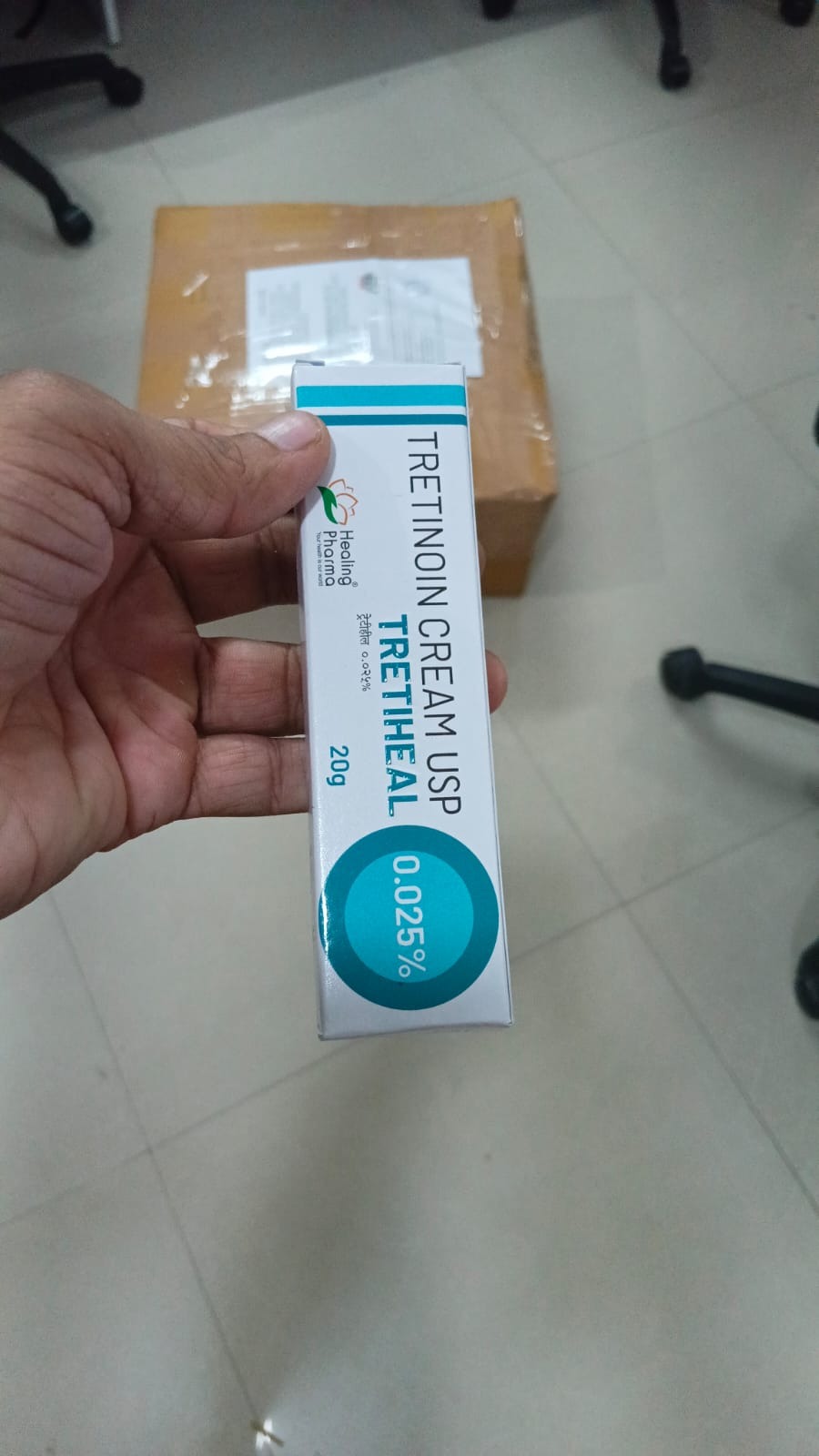
Acne can affect people well beyond adolescence, often leading to clogged pores, inflammation and changes in skin texture.
Tretinoin, associated with topical products such as Tretiheal, is a retinoid medicine widely used in dermatology for acne management.
It works differently from ordinary facial cleansers and cosmetic exfoliating products, making correct product selection and skin-care practices particularly important.
How Tretinoin Works on Acne-Prone Skin
Tretinoin is a derivative of vitamin A that influences the growth and differentiation of skin cells.
It helps normalise the shedding of cells inside hair follicles, reducing the formation of comedones such as blackheads and whiteheads.
This action makes it useful in acne treatment, particularly when clogged pores are a major concern.
Tretinoin may also support improvements in certain aspects of skin texture over time.
However, treatment response varies depending on acne severity, skin sensitivity and the overall care routine.
Tretinoin for Different Types of Acne
Comedonal acne involves blocked pores and may respond well to topical retinoid treatment.
Inflammatory acne, characterised by red papules or pustules, may require additional treatments.
More severe nodular or cystic acne generally needs a broader medical approach.
Tretinoin is not a complete treatment for every acne presentation.
What Happens During the Initial Treatment Period?
Some users experience dryness, redness, peeling or temporary irritation after starting topical Tretinoin.
Skin may become more sensitive to other products, particularly strong exfoliating acids and harsh cleansers.
Visible improvement often develops gradually over several weeks.
Using more product than directed does not necessarily improve results and may increase irritation.
Skin-Care Mistakes That Can Worsen Irritation
Common mistakes include applying Tretinoin too frequently, combining multiple irritating treatments and neglecting moisturiser.
Using aggressive scrubs may further disrupt the skin barrier.
A gentle cleanser, suitable moisturiser and consistent sun protection can help support skin tolerance.
Product strength and application frequency should follow the prescribed treatment plan.
Tretinoin and Sun Exposure in Thailand
Thailand's tropical climate presents additional challenges for individuals using topical retinoids.
Heat, sweating and frequent outdoor exposure can influence skin comfort and irritation.
Broad-spectrum sunscreen, protective clothing and sensible sun-exposure habits are important.
Although Tretinoin does not affect every person's sun sensitivity in the same way, sun protection remains a fundamental part of acne and pigmentation management.
Pregnancy and Other Precautions
Topical Tretinoin is generally avoided during pregnancy and when planning pregnancy.
Individuals with eczema, highly sensitive skin or significant irritation may require alternative treatment approaches.
Tretinoin should not be applied to severely irritated, sunburned or damaged skin unless specifically directed.
Evaluating Tretinoin Products
Different topical formulations may vary in concentration, texture and tolerability.
Patients should verify product identity, active ingredients, expiry dates and applicable regulatory information.
ERNEST IMPEX is involved in pharmaceutical supply, where accurate product identification and clear formulation information are relevant to dermatological medicine procurement.
Achieving Sustainable Skin Improvement
Tretinoin can be an effective part of long-term acne management when used appropriately.
Results depend on consistency, suitable skin-care support and realistic expectations.
For people in Thailand, selecting an appropriate formulation and managing irritation are more important than pursuing rapid results through excessive application.
Keywords