Iron deficiency anaemia develops when the body lacks sufficient iron to produce healthy red blood cells containing haemoglobin. This can reduce oxygen delivery to tissues and cause fatigue, weakness, breathlessness and difficulty concentrating.
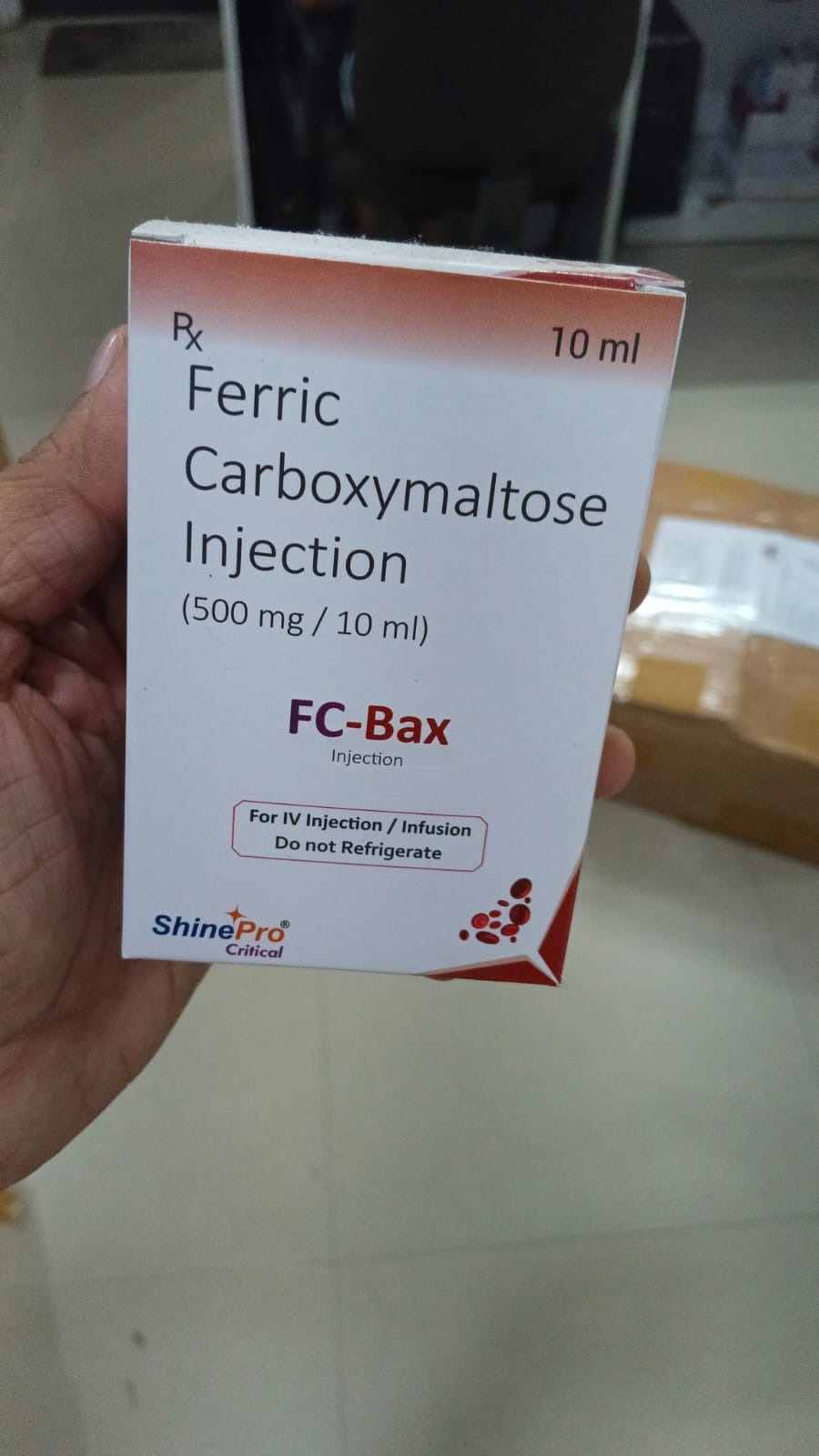
While oral iron supplements are commonly used to correct iron deficiency, some patients require intravenous iron treatment. Ferric carboxymaltose, associated with products such as FC-BAX, is an intravenous iron formulation that may be considered when oral treatment is unsuitable, ineffective or insufficient.
For patients and healthcare purchasers in Singapore, understanding the clinical indications, administration requirements and safety precautions associated with ferric carboxymaltose is important.
When Is Intravenous Iron Treatment Necessary?
Oral iron supplements are often appropriate for uncomplicated iron deficiency anaemia. However, certain circumstances may make intravenous treatment more suitable.
These include:
Inadequate improvement despite appropriate oral iron treatment.
Gastrointestinal intolerance to oral iron preparations.
Medical conditions affecting iron absorption.
Iron deficiency associated with certain chronic inflammatory conditions.
Situations where iron replacement is required within a clinically appropriate shorter period.
The decision depends on laboratory results, medical history and the underlying cause of iron deficiency.
Intravenous iron is not automatically necessary for every patient with low haemoglobin.
How Does Ferric Carboxymaltose Work?
Ferric carboxymaltose contains iron in a carbohydrate complex designed for intravenous administration.
After administration, the iron becomes available for storage and incorporation into haemoglobin.
This helps replenish depleted iron reserves and supports red blood cell production.
Unlike oral supplements, intravenous iron bypasses gastrointestinal absorption.
However, correcting iron deficiency still requires the body to produce new red blood cells, meaning improvements in haemoglobin occur over time.
What Tests Are Important Before Treatment?
Clinicians generally assess several laboratory parameters before recommending intravenous iron.
These may include haemoglobin, ferritin and transferrin saturation.
Ferritin helps estimate stored iron, although inflammation can affect its interpretation.
Transferrin saturation provides information about the availability of circulating iron.
Additional investigations may be necessary to identify the cause of deficiency, such as heavy menstrual bleeding, gastrointestinal blood loss or inadequate dietary intake.
Treating iron deficiency without investigating its underlying cause may allow the problem to recur.
Potential Side Effects and Safety Considerations
Ferric carboxymaltose can cause nausea, headache, dizziness, flushing and reactions around the injection site.
Important risks include hypersensitivity reactions, which can occasionally be severe.
Another recognised complication is hypophosphataemia, a reduction in blood phosphate levels. Repeated exposure or certain patient risk factors can increase the likelihood of clinically significant phosphate depletion.
Patients with persistent muscle weakness, bone pain or unusual fatigue following treatment may require further evaluation.
Administration should take place in an appropriate healthcare setting with trained personnel and facilities for managing serious reactions.
Choosing an Appropriate Pharmaceutical Product
Hospitals and pharmaceutical procurement teams should verify the exact formulation, concentration, approved indications and administration requirements.
Ferric carboxymaltose products should not be assumed interchangeable with other intravenous iron formulations.
Important purchasing considerations include manufacturing documentation, product traceability, storage conditions and applicable HSA requirements.
ERNEST IMPEX operates in pharmaceutical sourcing, where buyers evaluating intravenous iron products should give particular attention to legitimate supply channels and complete product documentation.
Ferric carboxymaltose can be valuable for selected patients with iron deficiency anaemia. Appropriate patient selection, monitoring and investigation of the underlying cause remain essential to achieving effective treatment outcomes.
Keywords