Obsessive-compulsive disorder (OCD) is a mental health condition characterised by unwanted, recurring thoughts and repetitive behaviours or mental rituals. These symptoms can interfere with work, relationships, sleep and everyday responsibilities.
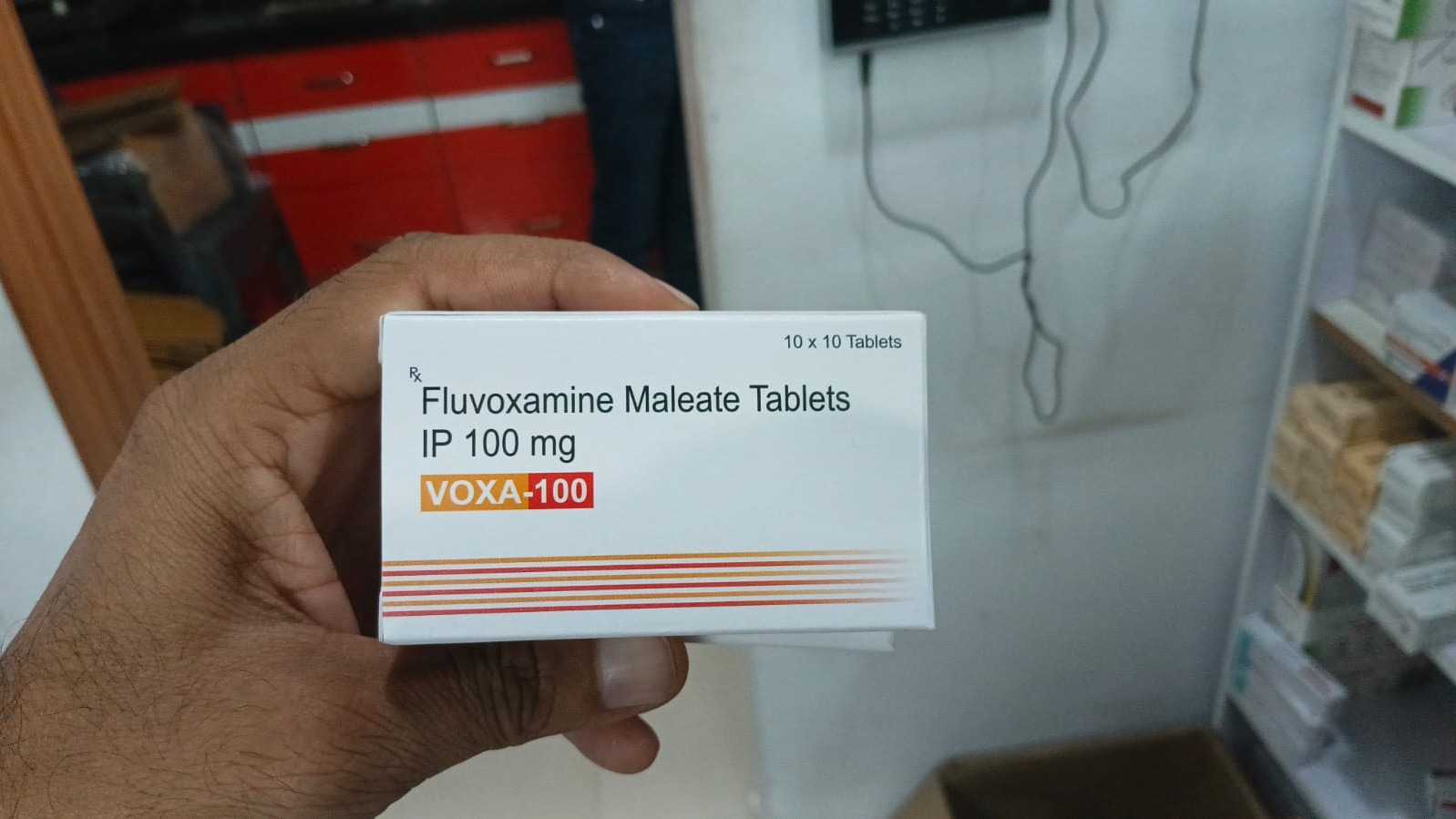
Fluvoxamine, sometimes marketed under the name Voxa, is a selective serotonin reuptake inhibitor (SSRI) used in the treatment of OCD.
Understanding its role in symptom management can help patients recognise what treatment involves and why consistent follow-up is important.
How Does Fluvoxamine Work?
Fluvoxamine increases the availability of serotonin in the brain by inhibiting its reuptake into nerve cells.
Serotonin is a neurotransmitter involved in mood regulation and several other neurological processes.
Although the precise mechanisms underlying OCD are complex, serotonin-modulating medicines can help reduce the severity of obsessions and compulsions.
Fluvoxamine does not immediately eliminate unwanted thoughts.
Improvement generally develops gradually, and the response varies between individuals.
What Symptoms May Improve With Treatment?
OCD symptoms can appear in several forms.
Some individuals experience persistent fears about contamination, harm, mistakes or uncertainty.
Others feel compelled to repeat behaviours such as washing, checking, counting or arranging objects.
Mental rituals, including silent repetition or reassurance-seeking, can also be part of OCD.
Fluvoxamine may help reduce the intensity and frequency of these symptoms, allowing patients to participate more effectively in daily activities and psychological treatment.
Fluvoxamine and Cognitive Behavioural Therapy
Medication is not the only established treatment for OCD.
Cognitive behavioural therapy incorporating exposure and response prevention (ERP) is a major evidence-based approach.
ERP helps patients gradually confront feared situations while reducing compulsive responses.
For some patients, therapy alone may be sufficient. Others benefit from medication, particularly when symptoms are severe, persistent or difficult to manage.
Combining medication with ERP may be appropriate depending on symptom severity and treatment response.
Common Side Effects of Fluvoxamine
Potential side effects include:
Nausea and gastrointestinal discomfort.
Headaches and dizziness.
Sleep disturbances or daytime drowsiness.
Increased sweating.
Changes in appetite.
Sexual dysfunction.
Some side effects improve as the body adjusts to treatment, while others may persist and require reassessment.
Patients should discuss troublesome symptoms rather than stopping treatment abruptly.
Important Medicine Interactions
Fluvoxamine can interact with numerous medicines because it affects certain liver enzymes involved in drug metabolism.
Interactions may increase blood concentrations of other medicines and raise the risk of adverse effects.
Combining fluvoxamine with certain serotonergic medicines can also increase the risk of serotonin syndrome, a potentially serious condition involving changes in mental state, autonomic function and neuromuscular activity.
Patients should provide a complete list of prescription medicines, supplements and other substances during clinical assessment.
Antidepressants also carry warnings about increased suicidal thoughts or behaviours in some younger patients, particularly during early treatment or dose changes.
What Should Patients Expect During Follow-Up?
OCD treatment often requires ongoing assessment over several weeks.
Clinicians may review symptom severity, daily functioning, adherence, side effects and the need for psychological therapy.
Treatment duration depends on the patient's progress and risk of recurrence.
In Singapore, mental healthcare services may involve psychiatrists, psychologists and other qualified professionals working together.
ERNEST IMPEX operates in the pharmaceutical supply sector, where buyers evaluating products such as fluvoxamine should prioritise authorised formulations, accurate labelling and reliable product documentation.
Fluvoxamine can be an important part of OCD management, but successful treatment requires appropriate diagnosis, careful monitoring and an individualised plan that addresses both symptoms and daily functioning.
Keywords