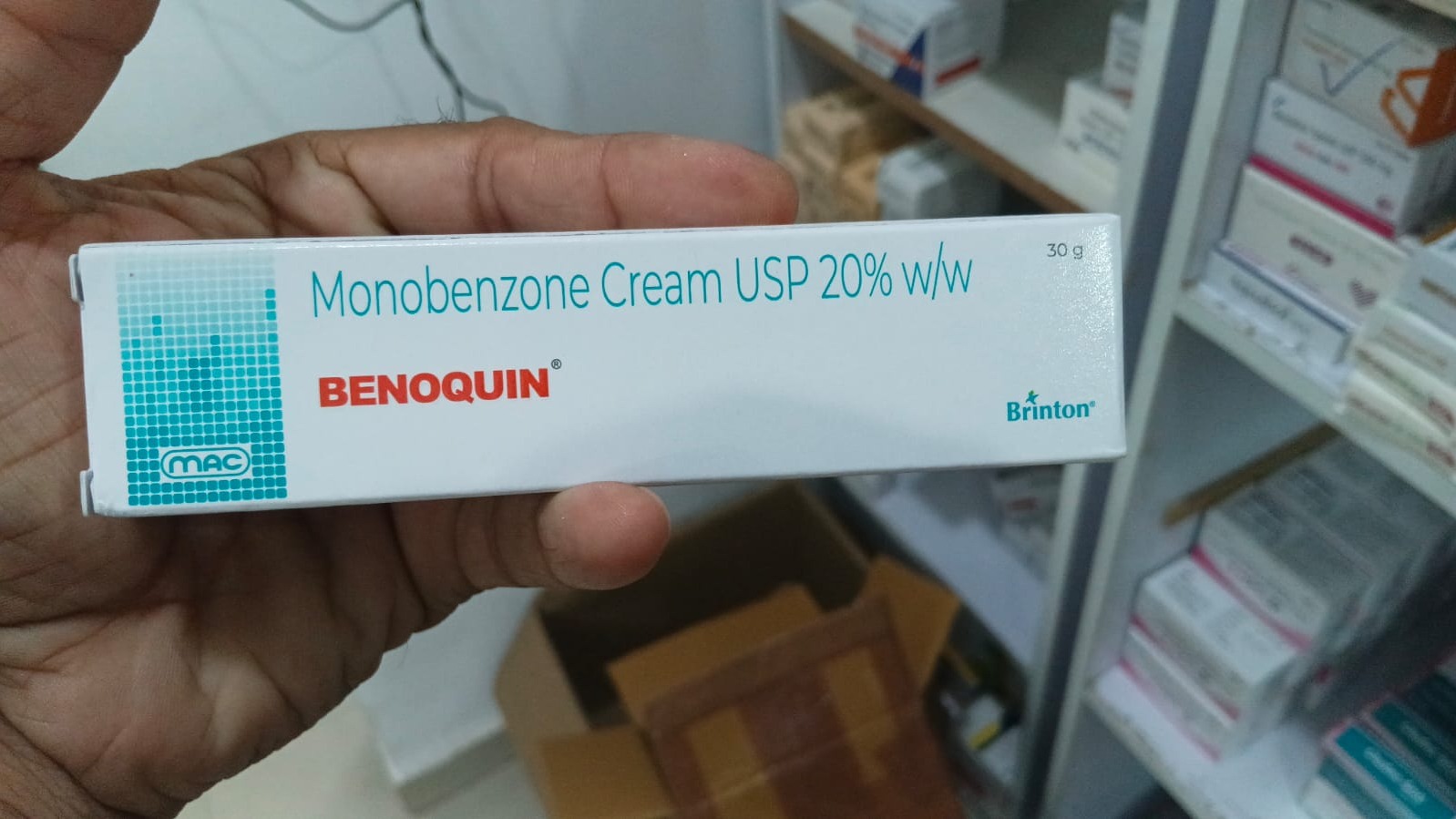
Monobenzone treatment for vitiligo requires a different level of consideration from ordinary topical skin treatments. Rather than restoring lost pigmentation, monobenzone is intended to remove remaining pigment in carefully selected patients with extensive vitiligo.
Because the resulting changes may be irreversible, patients need to understand the treatment's purpose, limitations, practical implications and possible alternatives before making a decision.
Is Monobenzone Appropriate for All Types of Vitiligo?
Monobenzone is generally considered only when vitiligo affects a very large proportion of the skin.
Patients with small or localised patches may benefit from other approaches aimed at restoring pigmentation or controlling disease activity.
These may include topical anti-inflammatory medicines, selected immunomodulatory treatments or phototherapy, depending on the diagnosis and clinical circumstances.
Depigmentation is fundamentally different because the objective is to reduce the contrast between remaining pigmented areas and skin already affected by vitiligo.
It is therefore unsuitable for individuals seeking temporary cosmetic improvement.
Questions to Discuss Before Treatment
Patients considering monobenzone should discuss several important questions with a dermatologist.
How extensive is the pigment loss?
A detailed examination helps determine whether depigmentation is an appropriate option.
Are repigmentation treatments still suitable?
Alternative therapies may be preferable, particularly when substantial normally pigmented skin remains.
Can the effects be reversed?
Monobenzone-associated depigmentation is often permanent. Patients should not assume their original skin colour will return after discontinuation.
How will sun protection change?
Skin that has lost melanin becomes more vulnerable to ultraviolet exposure.
What happens if the skin responds unevenly?
Treatment may produce variable pigmentation changes, and some areas may respond differently from others.
These considerations should form part of informed consent.
What Side Effects Should Patients Understand?
Local irritation is among the more commonly recognised adverse effects.
Patients may experience redness, itching, dryness, burning or contact dermatitis.
Monobenzone can also cause depigmentation outside treated areas, including through unintended contact.
This is particularly important when handling topical preparations around family members or other individuals.
Patients should follow their dermatologist's instructions for application and avoid transferring the medicine to unaffected skin.
Managing Depigmented Skin in Singapore's Climate
Singapore's tropical climate creates practical considerations for people undergoing depigmentation.
Ultraviolet exposure occurs throughout the year, even during cloudy conditions.
Protective measures may include broad-spectrum sunscreen, appropriate clothing, shaded outdoor activities and limiting unnecessary exposure during periods of intense sunlight.
Regular skin examinations may also be appropriate according to individual risk factors.
Patients should understand that sun protection remains necessary even after the desired cosmetic appearance has been achieved.
Evaluating Monobenzone Products
Product quality matters when considering specialised dermatological medicines.
Patients and pharmaceutical buyers should verify the active ingredient, concentration, formulation, manufacturer information and relevant regulatory status.
Unverified products advertised as permanent skin-whitening solutions may lack adequate quality controls or appropriate medical information.
ERNEST IMPEX operates in pharmaceutical supply, where traceability, product documentation and responsible procurement are relevant when assessing specialised medicines.
A decision to use monobenzone should follow a confirmed diagnosis, discussion of available alternatives and a clear understanding of permanent pigment changes.
For patients with extensive vitiligo, careful planning is more important than pursuing a rapid cosmetic result.
Keywords