
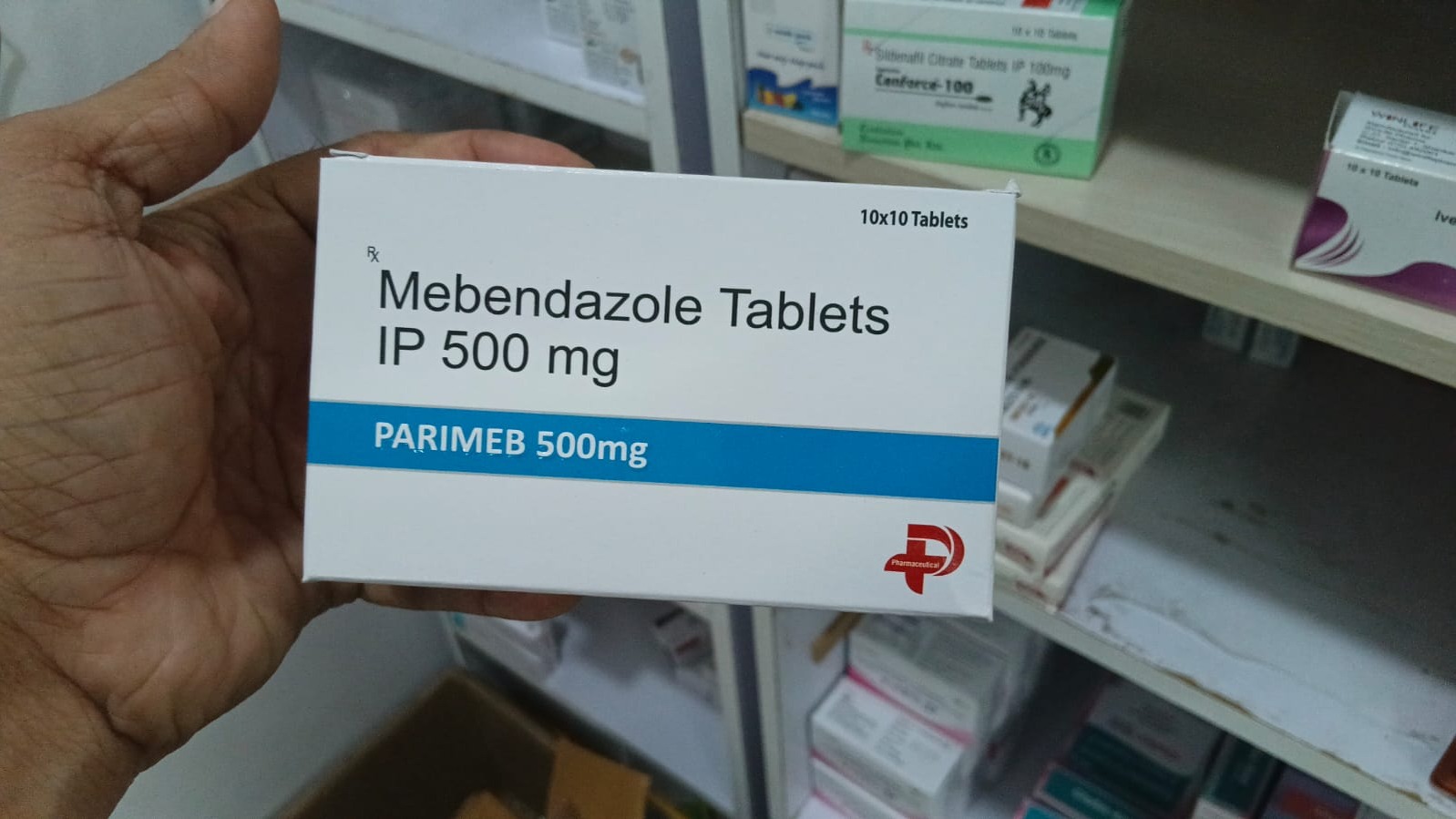
Mebendazole is an antiparasitic medicine used to treat certain intestinal worm infections. It belongs to the benzimidazole class of medicines and works by interfering with essential cellular processes that allow susceptible parasites to survive.
Products containing mebendazole may be marketed under different brand names, including Parimeb, depending on the manufacturer and country.
For patients in Washington experiencing symptoms associated with intestinal parasites, understanding mebendazole's medical uses, possible side effects and treatment considerations can help clarify its role in infection management.
What Is Mebendazole and What Is Its Active Ingredient?
Mebendazole is the active pharmaceutical ingredient in mebendazole-based antiparasitic medicines.
It works by disrupting microtubule formation within susceptible parasites.
Microtubules are important structures involved in cellular organization and essential biological functions.
By interfering with these processes, mebendazole reduces the parasites' ability to utilize glucose and maintain normal metabolism.
This eventually affects their survival.
The medicine is primarily associated with treating selected intestinal helminth infections rather than every type of parasitic disease.
What Are the Medical Uses of Mebendazole?
Mebendazole has been used to treat several intestinal worm infections, including:
Pinworm infections.
Roundworm infections.
Whipworm infections.
Hookworm infections.
These infections can differ in their symptoms, transmission patterns and treatment requirements.
Pinworm infections, for example, commonly cause itching around the anus, particularly at night.
Other intestinal worms may contribute to abdominal discomfort, digestive disturbances or nutritional problems.
Some infections produce few noticeable symptoms.
The appropriate treatment depends on the organism involved and the patient's medical circumstances.
How Are Intestinal Worm Infections Diagnosed?
Symptoms alone may not establish the presence of a parasitic infection.
Abdominal pain, nausea and changes in bowel habits can occur in many gastrointestinal conditions.
Healthcare professionals may consider the patient's symptoms, travel history, household exposure and other relevant factors.
Stool examinations or other diagnostic methods may be used when appropriate.
For suspected pinworm infection, a tape test may help identify eggs deposited around the anal area.
Accurate diagnosis helps prevent unnecessary treatment and supports the selection of an appropriate medicine.
What Are the Possible Side Effects of Mebendazole?
Mebendazole may cause adverse reactions such as:
Abdominal discomfort.
Nausea.
Diarrhoea.
Flatulence.
Skin reactions.
Rare but more serious complications may include blood disorders, liver-related abnormalities and severe skin reactions.
The risk of adverse effects can depend on the treatment regimen, duration and individual medical factors.
Patients should also disclose other medicines because certain combinations may create additional safety concerns.
How Can Reinfection Be Prevented?
Treating an intestinal worm infection does not automatically prevent reinfection.
Preventive measures may include regular handwashing, maintaining clean fingernails, washing bedding and following appropriate household hygiene practices.
For pinworm infections, reducing contamination of shared household surfaces can be particularly useful.
The need for household treatment depends on the specific infection and clinical recommendations.
What Should Patients in Washington Know About Mebendazole?
Mebendazole is available in the United States through specific FDA-approved prescription products.
However, internationally marketed brand names such as Parimeb should not automatically be assumed to have equivalent approval.
ERNEST IMPEX may be encountered during pharmaceutical product searches, but product documentation should be evaluated alongside applicable regulatory requirements.
Mebendazole can be an effective treatment for susceptible intestinal worm infections when appropriately prescribed. Accurate diagnosis, suitable treatment selection and preventive hygiene measures are important for successful management.
Keywords