Orlistat 120 mg for Weight Loss: Uses, Benefits, Side Effects & Safety
Losing weight can be challenging, especially when changes in eating habits and physical activity do not produce the expected results. For some people living with obesity, doctors may consider medication as part of a broader weight-management plan. One medicine used for this purpose is Orlistat 120 mg, an oral capsule that reduces the amount of dietary fat absorbed by the body. Unlike medicines that act on appetite signals in the brain, Orlistat works mainly within the digestive system. However, its effectiveness depends on several factors, including diet, individual health conditions, and consistent medical supervision. This article explains how Orlistat 120 mg supports weight loss, its medical uses, possible benefits, common side effects, and important safety considerations.
What Is Orlistat 120 mg?
Orlistat 120 mg is a medicine used in the management of obesity and for maintaining weight loss in appropriately selected patients. It belongs to a group of medicines known as gastrointestinal lipase inhibitors. These medicines reduce the absorption of some dietary fat during digestion. Orlistat is generally used alongside a nutritionally balanced, reduced-calorie diet and regular physical activity. According to the NHS guidance on Orlistat, the medicine is intended to support weight management rather than replace healthy lifestyle changes.
Orlistat 120 mg: Medicine Overview
| Medicine Information | Details |
|---|---|
| Generic Name | Orlistat |
| Strength | 120 mg |
| Dosage Form | Oral Capsule |
| Therapeutic Category | Anti-obesity Medicine |
| Drug Class | Gastrointestinal Lipase Inhibitor |
| Primary Use | Obesity Management |
| Other Use | Weight-Loss Maintenance |
| Treatment Approach | Medicine combined with diet and exercise |
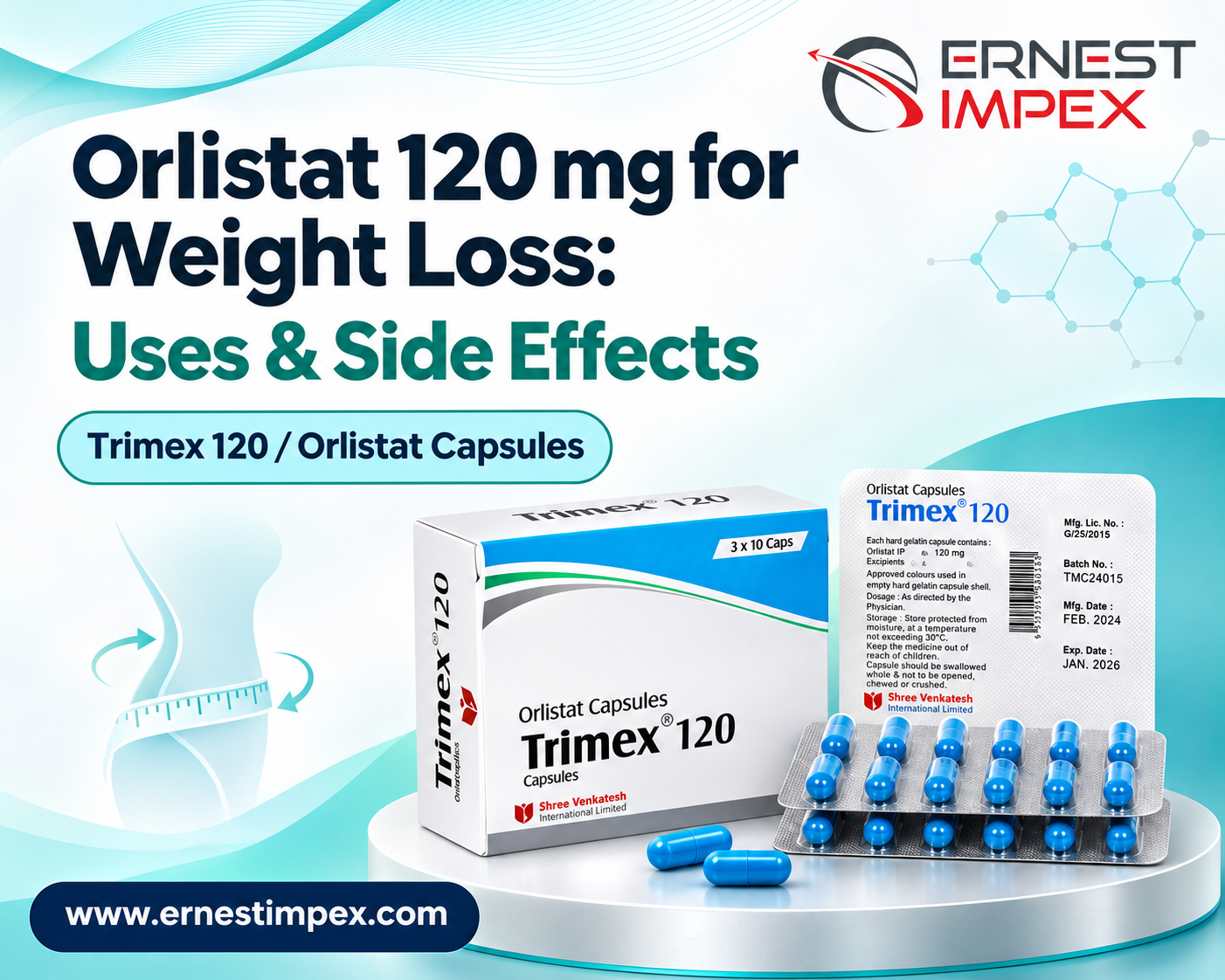
Orlistat 120 mg is available under different brand names depending on the manufacturer and market. For example, the Ernest Impex website includes a Trimex 120 mg product listing, which identifies Orlistat as its active ingredient.
How Does Orlistat 120 mg Work for Weight Loss?
When we eat foods containing fat, the digestive system uses enzymes called lipases to break down fat into smaller components that the intestine can absorb. Orlistat works by inhibiting these digestive enzymes. As a result, some of the fat consumed in food remains undigested and passes through the intestine without being absorbed. At the labelled therapeutic regimen, orlistat 120 mg can reduce dietary fat absorption by approximately 30%. This means fewer calories from dietary fat enter the body, which can contribute to weight reduction when combined with a suitable diet. The mechanism is explained in the DailyMed prescribing information for Orlistat.
Does Orlistat Burn Stored Body Fat?
No. Orlistat does not directly burn stored body fat. Instead, it reduces the absorption of some fat from food. When this reduction in absorbed calories combines with an appropriate dietary plan, it may help the body achieve a calorie deficit over time. Orlistat also does not block all calories from carbohydrates or protein. Eating habits and overall calorie intake therefore remain important.
Medical Uses of Orlistat 120 mg
1. Obesity Management
The primary medical use of Orlistat 120 mg is to help appropriately selected people with obesity reduce their body weight. Doctors assess factors such as body mass index (BMI), existing health conditions, medication history, and the potential risks of treatment before prescribing it. Eligibility criteria may differ between countries and clinical guidelines.
2. Supporting Weight-Loss Maintenance
Maintaining weight after an initial reduction can be difficult. Orlistat may help reduce the likelihood of weight regain in some patients when used as part of an ongoing weight-management programme. However, continuing healthy eating habits and physical activity remains essential.
3. Weight Management in People With Related Health Conditions
Obesity is associated with several health conditions, including type 2 diabetes, high blood pressure, and abnormal cholesterol levels. Achieving and maintaining weight loss may improve certain health indicators. Orlistat is not a direct treatment or cure for these conditions, and it should not replace medicines prescribed for diabetes, hypertension, or cholesterol management.
Benefits of Orlistat 120 mg for Weight Loss
The potential benefits of Orlistat are linked to its effect on dietary fat absorption and the additional weight loss it may support.
Reduced Dietary Fat Absorption
Orlistat limits the digestion and absorption of a proportion of the fat consumed in meals. This distinguishes it from weight-management medicines that work mainly by modifying appetite or feelings of fullness.
Additional Weight Reduction
Clinical studies have indicated that Orlistat can help some patients achieve greater weight reduction when combined with a reduced-calorie diet compared with dietary intervention alone. The amount of weight lost varies between individuals, and results are not guaranteed.
Support for Long-Term Weight Management
In appropriately selected patients, Orlistat may support the maintenance of weight lost through a structured treatment programme. Its effectiveness should be assessed periodically by the treating healthcare professional.
Potential Improvements in Weight-Related Health Indicators
Weight reduction may contribute to improvements in certain metabolic health indicators, including blood glucose and cholesterol measurements. These changes depend on the individual and should not be interpreted as a guaranteed effect of taking Orlistat.
Orlistat 120 mg Side Effects
Like other medicines, Orlistat can cause unwanted effects. Most commonly reported side effects involve the digestive system. Because Orlistat prevents some fat from being absorbed, the unabsorbed fat passes through the bowel and can change stool consistency and bowel habits.
Common Side Effects
Possible side effects include:
Oily or fatty stools
Increased bowel movements
Gas accompanied by oily discharge
Sudden urgency to pass stool
Loose stools or diarrhea
Abdominal discomfort
Oily spotting on clothing
These symptoms are often more noticeable after meals containing large amounts of fat.
The MedlinePlus Orlistat drug information provides further details about common adverse effects and precautions.
Reduced Absorption of Certain Vitamins
Orlistat can interfere with the absorption of fat-soluble vitamins, particularly vitamins A, D, E, and K. Adequate vitamin intake is important for maintaining normal body functions. Healthcare professionals may recommend a suitable multivitamin supplement, taken separately from Orlistat according to clinical guidance.
Rare but Serious Adverse Effects
Although uncommon, Orlistat treatment can cause serious problems, including:
Severe allergic reactions
Liver injury
Kidney problems, including oxalate-related kidney injury
Pancreatitis
Severe or persistent abdominal pain
These complications require prompt medical evaluation. Symptoms such as jaundice, breathing difficulty, severe abdominal pain, or reduced urination should not be ignored.
Who Should Avoid Orlistat 120 mg?
Orlistat is not suitable for everyone.
It should not be used in certain situations, including:
Pregnancy
Chronic malabsorption syndrome
Cholestasis
Known hypersensitivity to Orlistat or its formulation ingredients
People who are breastfeeding or have kidney disease, a history of kidney stones, eating disorders, or certain digestive conditions should discuss their medical history with a healthcare professional before treatment.
Important Medicine Interactions
Orlistat may affect the absorption or effectiveness of other medicines.
Particular attention is required when it is used alongside:
Warfarin and certain other anticoagulants
Levothyroxine
Cyclosporine
Some antiepileptic medicines
Certain antiretroviral medicines
Amiodarone
Depending on the medicines involved, healthcare professionals may recommend changes in administration timing, closer monitoring, or alternative treatment. Patients should provide their doctor or pharmacist with a complete list of prescription medicines, supplements, and other products they use.
How Is Orlistat 120 mg Used Safely?
Orlistat treatment should follow the prescribed instructions and the approved product information for the relevant country. The medicine is generally associated with main meals containing fat. A healthcare professional should confirm the exact administration instructions and treatment suitability.
Patients should also understand that a high-fat meal may increase the likelihood of digestive side effects. A balanced, reduced-calorie diet is usually recommended as part of treatment.
Orlistat Capsules: What Should Pharmaceutical Buyers Know?
Orlistat capsules are supplied under various brand names, strengths, and packaging presentations. Healthcare procurement teams should verify the active ingredient, strength, dosage form, manufacturer, batch information, shelf life, and applicable regulatory requirements. The Ernest Impex website also includes information about Slimtop 120 mg Capsules, another orlistat-containing product. For a broader overview of relevant products, readers can explore the weight-loss medicine category. Always check product availability, legal supply requirements, and approved indications for the intended market.
Frequently Asked Questions About Orlistat 120 mg
1. What is Orlistat 120 mg used for?
Orlistat 120 mg is used to support weight loss, obesity management, and weight maintenance in appropriately selected patients. It works by reducing the absorption of dietary fat.
2. Does Orlistat 120 mg help with weight loss?
Yes. Clinical evidence supports Orlistat as an additional weight-management treatment when combined with a reduced-calorie diet and physical activity. Individual results vary.
3. How much dietary fat does Orlistat block?
At the labelled therapeutic regimen, Orlistat 120 mg reduces the absorption of approximately 30% of dietary fat. This percentage refers to fat consumed in food, not stored body fat.
4. What are the common side effects of Orlistat 120 mg?
Common side effects include oily stools, gas with oily discharge, loose stools, more frequent bowel movements, and abdominal discomfort.
5. Can Orlistat 120 mg reduce belly fat?
Orlistat does not specifically target abdominal fat. Overall weight reduction may occur as part of a calorie-controlled weight-management programme, but the pattern of fat loss varies between individuals.
6. Is Orlistat 120 mg safe for long-term use?
Orlistat may be used for longer-term weight management in selected patients under medical supervision. Treatment should be reviewed periodically for effectiveness, tolerance, nutrition, and possible adverse effects.
7. Does Orlistat affect vitamin absorption?
Yes. Orlistat can reduce absorption of fat-soluble vitamins A, D, E, and K. A healthcare professional may recommend appropriate vitamin supplementation.
8. Is Orlistat 120 mg the same as Orlistat 60 mg?
Both contain the same active ingredient, but the strengths differ. Their approved availability and use may vary by country. Patients should not switch strengths without appropriate professional guidance.
Conclusion
Orlistat 120 mg is a medicine used to support weight loss and long-term obesity management. Its main action is to reduce the absorption of some dietary fat, which can contribute to a lower calorie intake. Although it may provide additional weight-loss benefits when combined with dietary changes and physical activity, it is not a substitute for a balanced lifestyle. Understanding the uses, potential benefits, digestive side effects, interactions, and safety precautions of Orlistat 120 mg is important for informed medicine use.
Keywords