Persistent fatigue, breathlessness, dizziness and reduced physical endurance can sometimes indicate iron deficiency anaemia. Although oral iron supplements are commonly used to replenish iron stores, they are not suitable or effective for every patient.
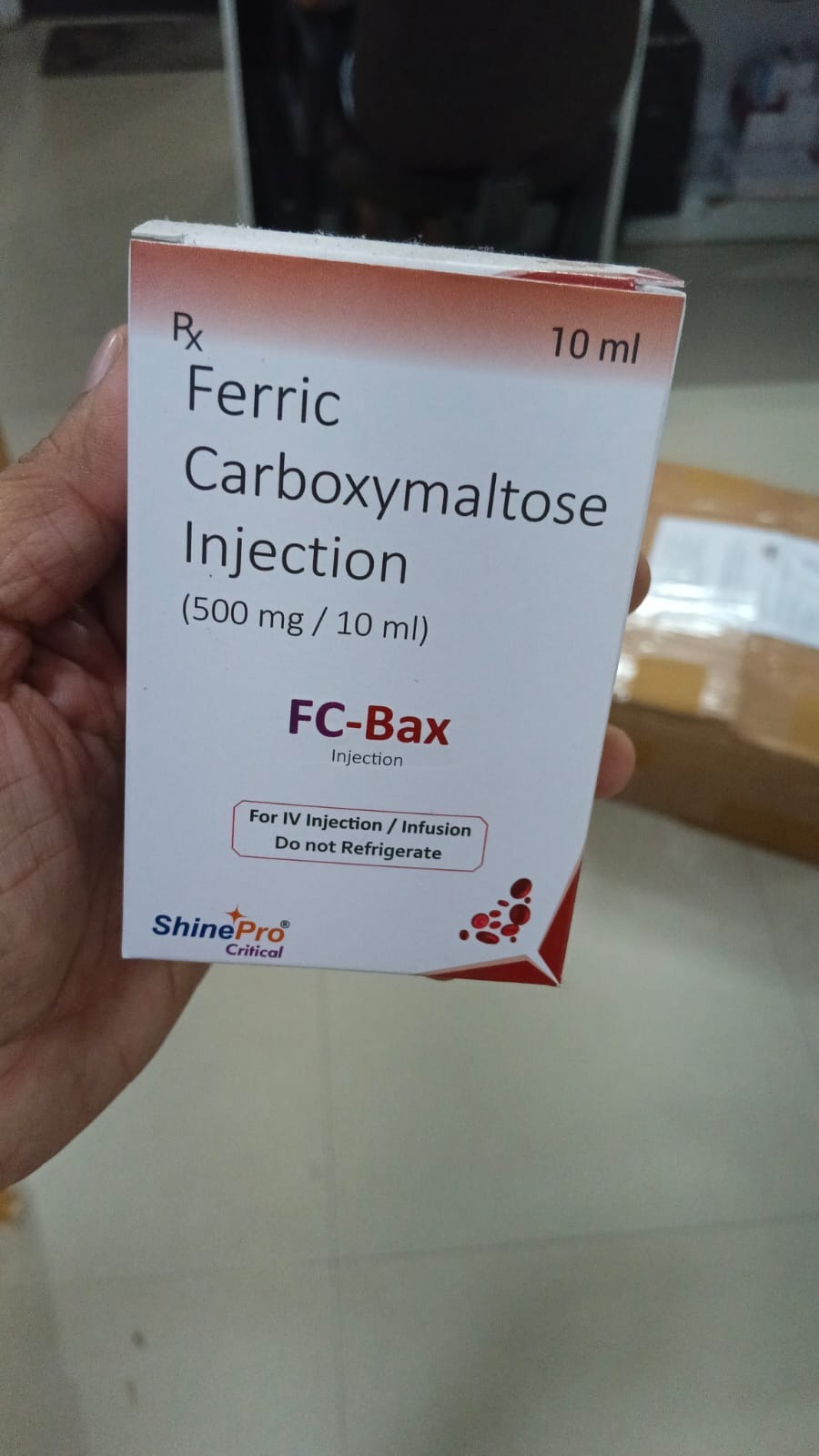
Ferric carboxymaltose is an intravenous iron preparation that may be considered when oral treatment is ineffective, cannot be used or when there is a clinical need to replenish iron more rapidly.
For Australian patients researching ferric carboxymaltose products, including the internationally marketed name FC-BAX, understanding the treatment process and safety requirements is essential.
When Is Intravenous Iron Considered?
Iron deficiency anaemia occurs when insufficient available iron affects the body's ability to produce haemoglobin.
Haemoglobin is the protein in red blood cells responsible for transporting oxygen throughout the body.
Common causes of iron deficiency include heavy menstrual bleeding, gastrointestinal blood loss, inadequate dietary intake and conditions that interfere with iron absorption.
Oral iron is often considered first because it is convenient and does not require intravenous administration.
However, ferric carboxymaltose may be appropriate in selected patients who cannot tolerate oral iron, have inadequate treatment responses or require more rapid iron replacement.
In Australia, ferric carboxymaltose is available in registered formulations for specified clinical indications and age groups.
healthdirect
How Does Ferric Carboxymaltose Work?
Ferric carboxymaltose contains iron in a carbohydrate complex designed for intravenous administration.
After administration, the iron becomes available for storage and incorporation into haemoglobin.
This helps restore iron reserves and supports normal red blood cell production.
Unlike oral iron, intravenous treatment bypasses the gastrointestinal absorption process.
However, intravenous iron does not address the underlying cause of iron loss.
If persistent bleeding or another medical condition remains untreated, iron deficiency may recur.
What Tests Are Needed Before Treatment?
A diagnosis of iron deficiency should be supported by appropriate laboratory investigations.
These commonly include a full blood count, serum ferritin and, when indicated, transferrin saturation and other iron studies.
Ferritin helps assess stored iron, although inflammation and certain medical conditions can influence its interpretation.
Additional investigations may be required to identify the source of iron deficiency.
For example, unexplained iron deficiency in an adult may warrant assessment for gastrointestinal blood loss.
Understanding the Risks of Iron Infusions
Ferric carboxymaltose can cause headache, nausea, flushing, changes in blood pressure and reactions around the injection site.
More serious risks include hypersensitivity reactions, which require appropriate monitoring and emergency treatment facilities.
Another important complication is hypophosphataemia, meaning abnormally low phosphate levels in the blood.
This can occasionally be prolonged or clinically significant, particularly after repeated treatment.
Patients with risk factors may require phosphate monitoring.
Choosing an Appropriate Treatment Provider
Intravenous iron should be administered in a healthcare setting equipped to recognise and manage adverse reactions.
Before treatment, patients should understand why intravenous iron is recommended, which formulation is being used and how treatment response will be assessed.
Australian pharmaceutical supply also requires attention to product registration, storage and traceability.
Businesses involved in pharmaceutical product information, including ERNEST IMPEX, should distinguish internationally marketed formulations from products authorised for Australian use.
Ferric carboxymaltose can be an effective option for appropriately selected patients with iron deficiency. Its clinical value depends on confirmed iron deficiency, suitable administration and follow-up that addresses both iron replacement and the underlying cause.
Keywords