Obsessive-compulsive disorder, commonly called OCD, is a mental health condition involving unwanted intrusive thoughts, images or urges and repetitive behaviours or mental rituals.
These symptoms can interfere with work, relationships, education and everyday routines. Treatment often involves psychological therapy, medication or a combination of both.
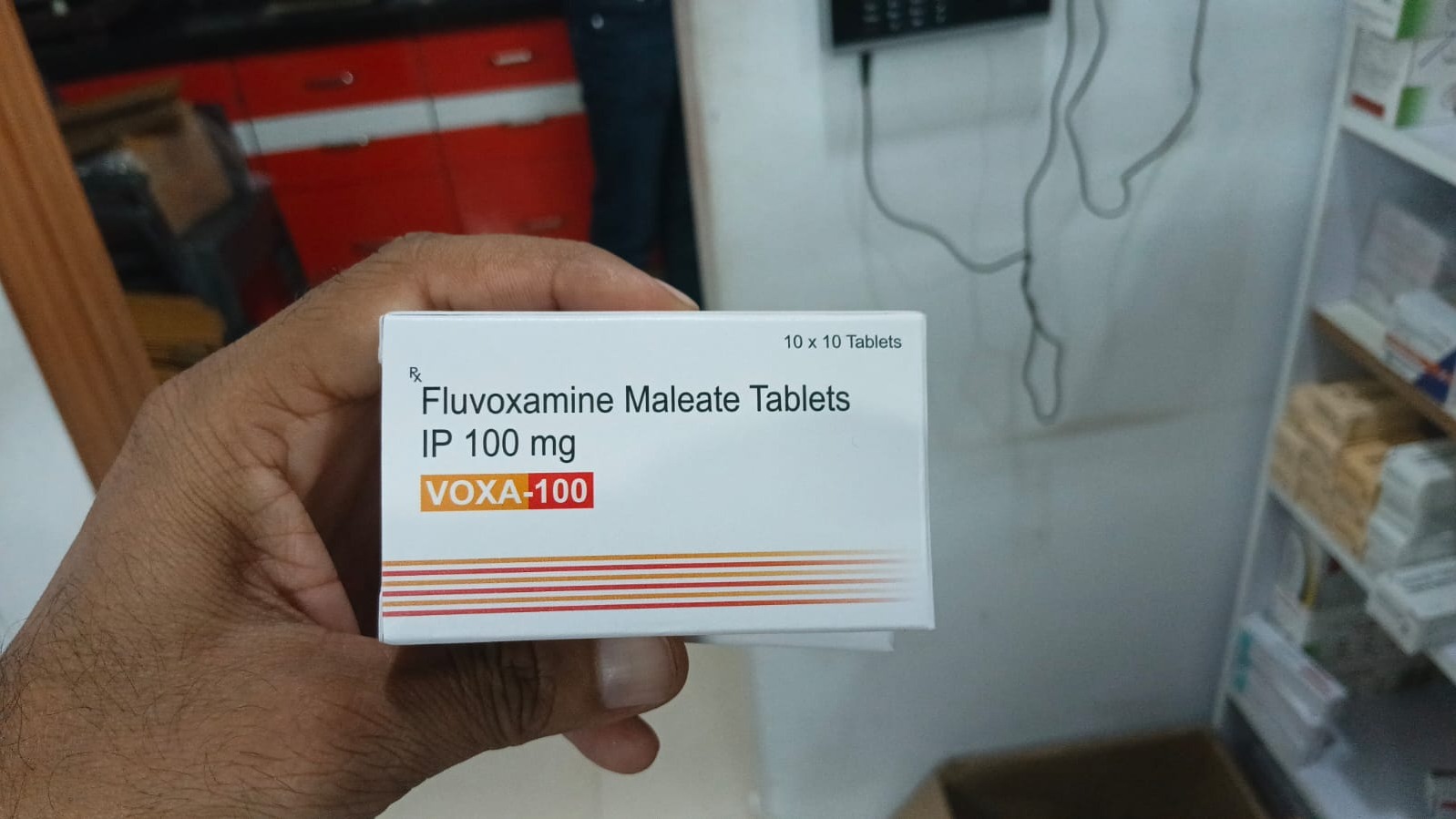
Fluvoxamine, marketed internationally under names including Voxa, is a selective serotonin reuptake inhibitor used in the treatment of OCD.
How Does Fluvoxamine Work?
Fluvoxamine affects serotonin signalling in the brain.
Serotonin is a neurotransmitter involved in several functions, including mood regulation and aspects of anxiety-related processing.
Fluvoxamine inhibits the reuptake of serotonin into nerve cells, increasing its availability at certain neural connections.
This action can help reduce OCD symptoms over time, although the exact relationship between serotonin signalling and clinical improvement is complex.
Fluvoxamine does not immediately eliminate intrusive thoughts or compulsive behaviours.
Treatment benefits often develop gradually, and OCD may require a longer period of assessment than some other conditions.
Medication and Psychological Therapy
One of the most established psychological treatments for OCD is cognitive behavioural therapy incorporating exposure and response prevention, commonly called ERP.
ERP helps individuals gradually confront feared situations or thoughts while reducing the compulsive responses that maintain the OCD cycle.
For some patients, psychological therapy alone may be appropriate.
Others may benefit from medication, particularly when symptoms are severe, persistent or interfere substantially with daily functioning.
Medication and ERP address different aspects of OCD management and may complement one another.
What Side Effects Can Occur?
Common adverse effects associated with fluvoxamine include nausea, gastrointestinal discomfort, sleep disturbance, dizziness, sweating and changes in appetite.
Some people experience increased restlessness or anxiety during the early stages of treatment.
Sexual side effects can also occur.
Fluvoxamine may interact with several other medicines because it affects liver enzymes involved in drug metabolism.
Important interactions can involve certain antidepressants, antipsychotics, sedatives and other prescription medicines.
Combining serotonergic medicines can increase the risk of serotonin syndrome, a potentially serious condition involving symptoms such as agitation, fever, tremor and muscle rigidity.
What Should Patients Know Before Treatment?
A prescribing assessment should consider the severity of OCD, previous treatment responses, current medicines and other medical or psychiatric conditions.
Particular attention is needed when there is a history of bipolar disorder, seizures, liver impairment or significant medication interactions.
Antidepressants can also be associated with increased suicidal thoughts in some younger patients, especially during early treatment or following changes in treatment.
Abruptly stopping fluvoxamine may cause discontinuation symptoms such as dizziness, irritability, sensory disturbances or sleep problems.
Treatment changes therefore require an individualised plan.
Fluvoxamine in Australian Mental Healthcare
Australian OCD treatment commonly involves general practitioners, psychologists and psychiatrists, depending on symptom severity and care requirements.
Consumers researching Voxa should recognise that international brand names may not correspond directly with Australian registered products.
For pharmaceutical information providers such as ERNEST IMPEX, distinguishing active ingredients, formulations and regulatory status is important when discussing psychiatric medicines.
Effective OCD treatment is measured by improvements in functioning, reduced distress and greater ability to manage compulsive behaviours. Fluvoxamine may contribute to those outcomes when prescribed appropriately as part of an individual treatment plan.
Keywords