Choosing a treatment for vitiligo involves more than deciding whether lighter skin patches should become darker or less noticeable. The extent of pigmentation loss, progression of the condition, personal preferences and long-term consequences all influence treatment decisions.
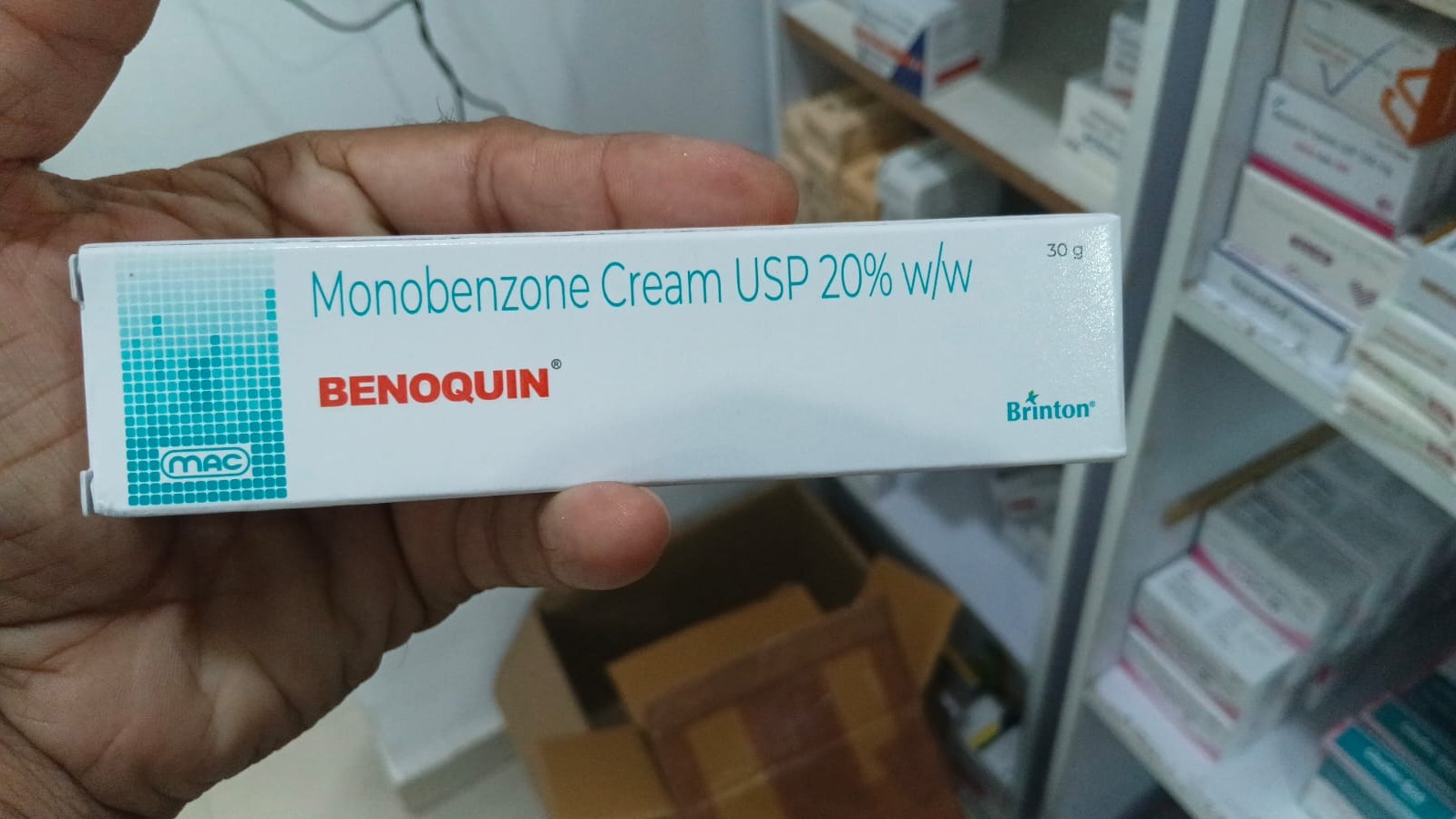
Monobenzone is sometimes discussed when vitiligo affects a substantial proportion of the body. Unlike treatments intended to restore pigment, monobenzone can permanently remove pigmentation from remaining normally coloured skin.
For Australian patients, understanding this distinction is essential before considering depigmentation therapy.
How Is Monobenzone Different From Other Vitiligo Treatments?
Most conventional vitiligo treatments aim to encourage repigmentation or limit further pigment loss.
Depending on the patient's circumstances, dermatologists may consider topical anti-inflammatory medicines, phototherapy or other evidence-based approaches.
Monobenzone works in the opposite direction.
It is a depigmenting agent that can produce long-lasting melanocyte loss, making treated areas lighter.
This approach may reduce visible contrast in extensive vitiligo, but it does not restore normal pigment function.
The decision is therefore fundamentally different from selecting an ordinary topical treatment for uneven skin tone.
Questions to Consider Before Depigmentation
A detailed assessment should establish whether permanent depigmentation is consistent with the patient's circumstances and expectations.
Important considerations include:
How extensive is the vitiligo? Depigmentation is generally considered only in selected cases involving widespread pigment loss.
Have repigmentation options been assessed? Alternative treatments may be more appropriate depending on disease activity and remaining pigmentation.
Is permanent colour loss acceptable? Monobenzone-induced depigmentation may not be reversible.
Can long-term sun protection be maintained? Skin with reduced melanin requires particular attention to ultraviolet exposure.
Are the expected cosmetic results realistic? Complete uniformity is not guaranteed.
These questions help clarify whether the potential benefits outweigh the consequences.
Possible Adverse Reactions
Monobenzone can cause irritation, redness, itching and contact dermatitis.
Some patients may develop uneven depigmentation or pigment loss in areas that were not directly treated.
The possibility of widespread and persistent changes makes unsupervised use especially inappropriate.
Monobenzone should not be confused with products containing ingredients such as hydroquinone, which have different clinical applications and risk profiles.
It is also unsuitable as a general-purpose treatment for melasma, freckles or ordinary hyperpigmentation.
Australian Climate and Long-Term Skin Care
Australia has high levels of ultraviolet radiation during many parts of the year.
For people with extensive depigmentation, exposure to sunlight can become an important daily management concern.
A long-term care plan may include protective clothing, broad-spectrum sunscreen, shade and appropriate dermatological surveillance.
Patients should also understand that depigmentation does not prevent vitiligo from progressing or eliminate every potential skin-related concern.
Evaluating Product Information and Availability
Products advertised internationally under the name Benoquin may differ in manufacturer, packaging, regulatory approval and supply conditions.
Before a medicine is supplied in Australia, its legal status and applicable regulatory requirements must be established.
Pharmaceutical businesses such as ERNEST IMPEX may be relevant to product identification discussions, but commercial availability alone cannot determine whether treatment is appropriate.
The most important decision is not simply whether monobenzone can reduce remaining pigmentation. It is whether permanent depigmentation aligns with the patient's diagnosis, treatment history, lifestyle and long-term expectations.
Keywords