Ovulation problems are one possible reason pregnancy does not occur despite regular attempts to conceive. When an individual does not ovulate consistently, fertility treatment may involve medicines that encourage the ovaries to release an egg.
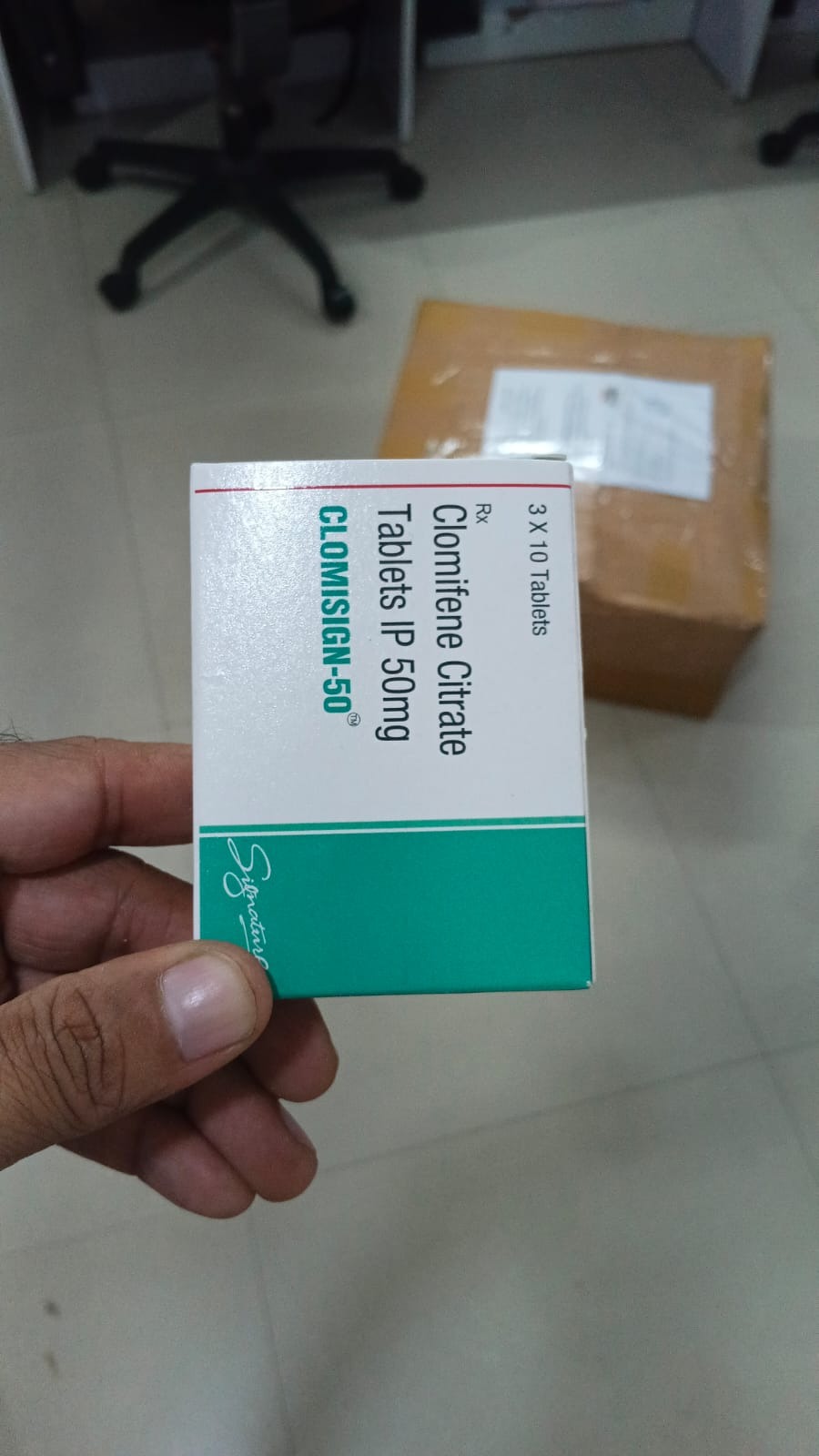
Clomifene, also called clomiphene and marketed internationally under various brand names including Clomisign-50, is one of the medicines historically used for ovulation induction.
Understanding its mechanism, appropriate applications and limitations can help Australian patients approach fertility discussions with clearer expectations.
How Does Clomifene Stimulate Ovulation?
Clomifene belongs to a class of medicines known as selective oestrogen receptor modulators.
It acts on oestrogen feedback mechanisms involving the hypothalamus and pituitary gland.
By altering the body's perception of circulating oestrogen, clomifene can increase the release of hormones involved in ovarian follicle development.
These include follicle-stimulating hormone and luteinising hormone.
In appropriately selected patients, the hormonal response can encourage follicular growth and ovulation.
However, stimulating ovulation does not guarantee pregnancy.
Who May Benefit From Clomifene?
Clomifene has historically been used for certain forms of anovulatory infertility, where ovulation occurs irregularly or not at all.
One relevant condition is polycystic ovary syndrome, commonly known as PCOS.
However, current international and Australian fertility guidance generally favours letrozole as the first-line pharmacological ovulation induction option for many women with PCOS-related anovulatory infertility when no other infertility factors are present.
Clomifene may still be considered in selected circumstances depending on individual clinical findings and applicable treatment guidance.
A fertility assessment commonly considers menstrual history, ovarian function, sperm factors and the condition of the reproductive tract.
What Are the Possible Side Effects?
Clomifene can cause hot flushes, headaches, abdominal discomfort, nausea and mood changes.
Some patients experience visual disturbances, which require prompt medical attention.
Ovarian enlargement and ovarian hyperstimulation are additional considerations, although severe hyperstimulation is less common than with certain injectable fertility treatments.
Another important issue is multiple pregnancy.
Because more than one follicle may develop, clomifene can increase the likelihood of twins or higher-order pregnancies compared with natural conception.
Why Monitoring Is Important
Fertility specialists may use ultrasound examinations and hormonal investigations to assess ovarian response.
Monitoring can help identify excessive follicular development and guide decisions about whether a treatment cycle should proceed.
Repeated unsuccessful cycles also require reassessment rather than indefinite continuation of the same approach.
The appropriate treatment depends on age, duration of infertility, underlying diagnosis and other reproductive factors.
Fertility Treatment Considerations in Australia
Australian fertility services operate within established clinical, prescribing and regulatory frameworks.
Patients researching Clomisign-50 should distinguish between an overseas brand name and the actual medicine available through Australian treatment pathways.
For businesses involved in pharmaceutical product information, such as ERNEST IMPEX, clear descriptions of active ingredients and regulatory status are more useful than unsupported claims about fertility outcomes.
Clomifene remains an important medicine in the history and practice of ovulation induction. Its value lies in appropriate patient selection, careful monitoring and integration into a broader fertility treatment plan.
Keywords