Obsessive-compulsive disorder, commonly called OCD, can affect a person's daily routine, relationships, concentration, and emotional well-being. The condition involves unwanted thoughts, images, or urges and repetitive behaviors or mental rituals performed to reduce distress.
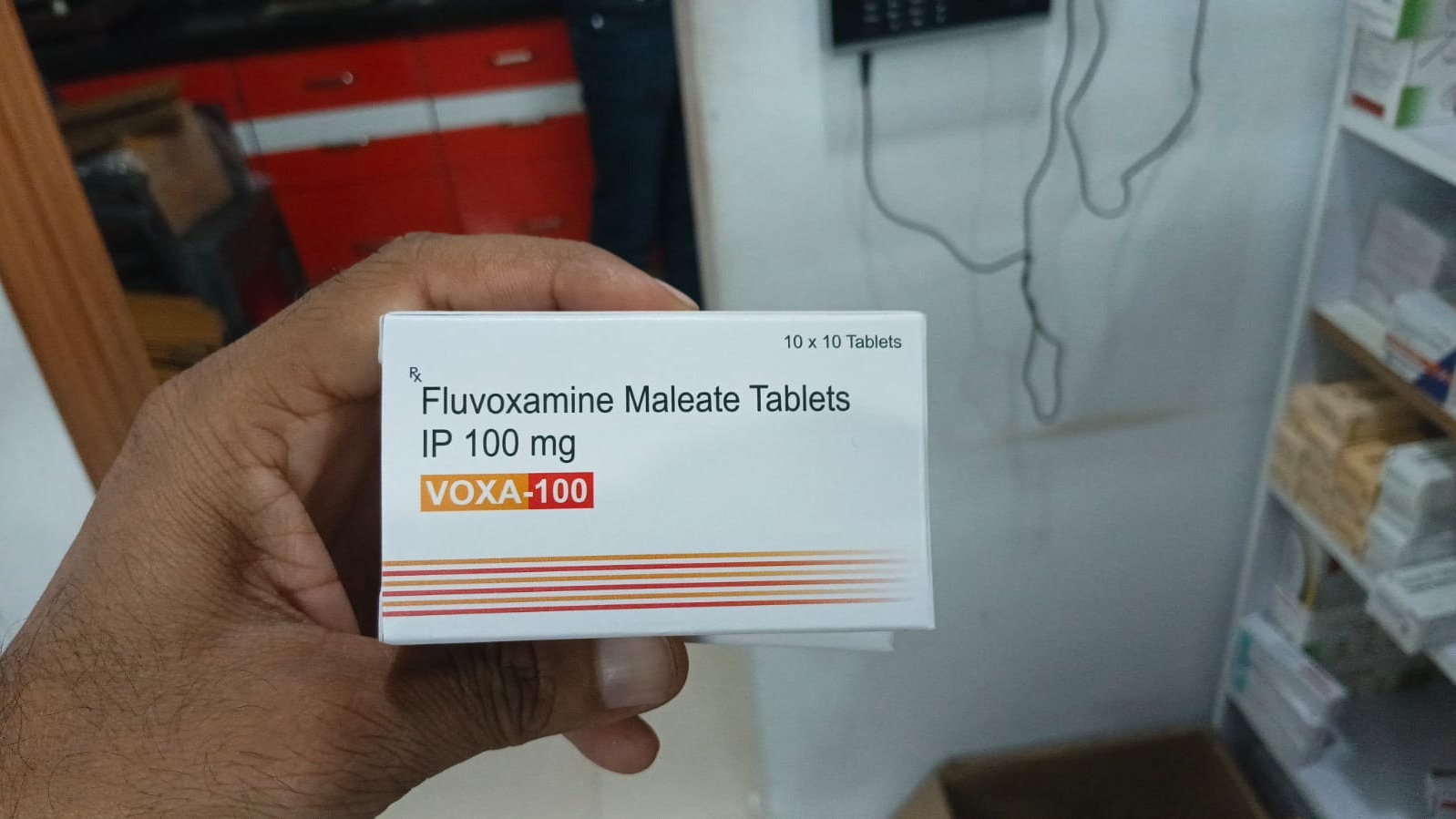
Fluvoxamine, associated with products such as Voxa, is a selective serotonin reuptake inhibitor used in the treatment of OCD.
For patients in Saudi Arabia researching OCD treatment, understanding the role of Fluvoxamine can help clarify what to expect from medication and why psychological therapy may also be important.
How Does Fluvoxamine Work?
Fluvoxamine belongs to the selective serotonin reuptake inhibitor, or SSRI, class of medicines.
It works by reducing the reuptake of serotonin in the brain, increasing serotonin availability at certain nerve connections.
Serotonin is involved in several functions, including mood regulation and neural signaling.
Changes in serotonin-related activity can help reduce OCD symptoms in some patients.
However, Fluvoxamine does not work immediately.
Meaningful improvement may develop gradually, and treatment response varies between individuals.
What Symptoms Can Fluvoxamine Help Manage?
OCD symptoms differ considerably between patients.
Some individuals experience repeated fears of contamination and feel compelled to wash or clean excessively.
Others may repeatedly check locks, appliances, or documents because of persistent doubts.
OCD can also involve intrusive thoughts without obvious physical rituals.
Fluvoxamine may help reduce the frequency or intensity of obsessions and compulsions.
The goal is to improve daily functioning and reduce distress rather than eliminate every unwanted thought.
Medication and Psychological Therapy
Medication is one established component of OCD treatment, but it is not the only option.
Cognitive behavioral therapy incorporating exposure and response prevention, commonly called ERP, is an evidence-based psychological treatment.
ERP helps patients gradually face anxiety-provoking situations while reducing compulsive responses.
Depending on symptom severity, patient preference, and previous treatment history, clinicians may recommend psychological therapy, medication, or a combination.
For some patients, combining treatments can be particularly useful.
What Side Effects Should Patients Understand?
Fluvoxamine may cause nausea, digestive discomfort, sleep disturbances, headache, sweating, and changes in appetite.
Some individuals experience sexual side effects or increased restlessness.
Side effects may be more noticeable during the early stages of treatment.
Fluvoxamine can also interact with several medicines because it affects liver enzymes involved in drug metabolism.
Particularly important interactions include certain psychiatric medicines, cardiovascular medicines, and other drugs that influence serotonin activity.
Combining serotonergic medicines can increase the risk of serotonin syndrome, a potentially serious condition.
What Happens If Treatment Is Stopped Suddenly?
Stopping Fluvoxamine abruptly may produce discontinuation symptoms.
These can include dizziness, irritability, sleep disturbances, nausea, and unusual sensory sensations.
Patients should not assume that feeling better means treatment can be stopped immediately.
Any decision to reduce or discontinue medication should follow an individualized clinical plan.
Monitoring is also important for younger patients because antidepressants can be associated with an increased risk of suicidal thoughts or behaviors in some children, adolescents, and young adults, particularly during treatment initiation or changes.
How Is Treatment Progress Evaluated?
OCD treatment response is generally assessed over time.
A healthcare professional may review symptom severity, the amount of time spent performing compulsions, interference with daily activities, and medication tolerability.
Progress may involve fewer repetitive behaviors, improved concentration, or greater ability to manage intrusive thoughts.
A partial response does not always mean that treatment has failed.
Further assessment may identify opportunities to adjust the overall treatment approach.
Accessing Authorized Medicines in Saudi Arabia
Patients researching Fluvoxamine products in Saudi Arabia should verify the authorization of the specific brand and formulation.
The name Voxa should not be treated as proof of local registration without checking the applicable product records.
ERNEST IMPEX may be encountered in pharmaceutical sourcing research, but medication selection and supply should follow authorized healthcare and regulatory channels.
Supporting Long-Term OCD Management
OCD is a treatable condition, although the course of recovery varies.
Consistent follow-up, evidence-based psychological therapy, appropriate medication when indicated, and attention to treatment-related concerns can help patients manage symptoms more effectively.
For individuals in Saudi Arabia, understanding Fluvoxamine's benefits, limitations, and possible interactions supports better-informed decisions about ongoing OCD care.
Keywords