Iron deficiency anaemia develops when the body does not have enough iron to produce adequate amounts of healthy hemoglobin. Hemoglobin is the protein in red blood cells responsible for transporting oxygen throughout the body.
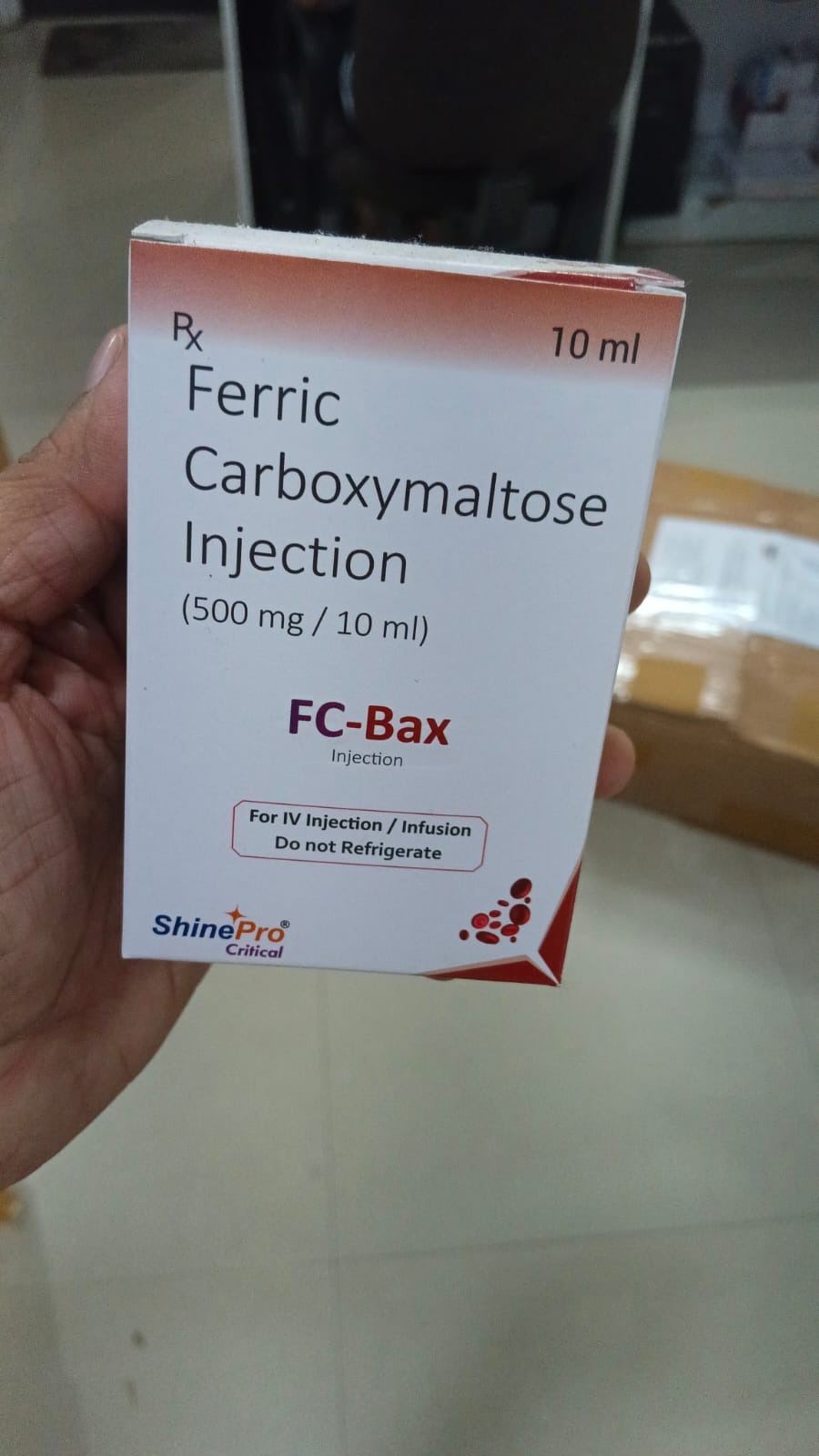
While oral iron supplements are commonly used to treat iron deficiency, some patients require intravenous iron replacement. Ferric Carboxymaltose, associated with products such as FC-BAX, is one formulation used for this purpose.
For healthcare providers and pharmaceutical buyers in Saudi Arabia, understanding when intravenous iron may be appropriate is essential for evaluating treatment requirements and product suitability.
What Is Ferric Carboxymaltose?
Ferric Carboxymaltose is an intravenous iron preparation designed to replenish iron stores in patients with iron deficiency.
It contains iron in a carbohydrate complex that allows iron to be administered directly into the bloodstream under medical supervision.
Following administration, the body processes the complex and makes iron available for storage and hemoglobin production.
Unlike oral iron supplements, intravenous iron bypasses the gastrointestinal absorption process.
This characteristic can be useful when patients cannot absorb sufficient iron through the digestive system or when oral treatment is unsuitable.
When Might Intravenous Iron Be Considered?
Ferric Carboxymaltose may be considered when laboratory investigations confirm iron deficiency and intravenous replacement is clinically appropriate.
Potential circumstances include:
Iron deficiency anaemia when oral iron is poorly tolerated.
Inadequate response to oral iron treatment.
Certain gastrointestinal conditions that interfere with iron absorption.
Iron deficiency associated with selected chronic medical conditions.
Situations where iron stores need to be replenished more rapidly.
The decision depends on the patient's diagnosis, hemoglobin level, iron studies, symptoms, and relevant medical history.
Not every patient with low hemoglobin requires intravenous iron.
Anaemia may result from vitamin deficiencies, chronic inflammation, blood disorders, or other causes that need different treatment.
How Is Iron Deficiency Diagnosed?
Healthcare professionals commonly evaluate a complete blood count and iron-related laboratory measurements.
Serum ferritin provides information about stored iron, although inflammation can influence the result.
Transferrin saturation may help assess the amount of iron available for red blood cell production.
Other investigations may be necessary to identify the underlying cause of deficiency.
For example, persistent blood loss, gastrointestinal disorders, and heavy menstrual bleeding can contribute to iron depletion.
Treating iron deficiency without investigating its cause may leave an important medical problem unresolved.
Important Safety Considerations
Ferric Carboxymaltose must be administered in an appropriate healthcare setting.
Potential adverse effects include nausea, headache, dizziness, temporary blood pressure changes, and infusion-related reactions.
Rare but serious hypersensitivity reactions can occur with intravenous iron preparations.
Another important concern is hypophosphatemia, a reduction in blood phosphate levels.
Ferric Carboxymaltose has been associated with clinically significant hypophosphatemia, particularly in susceptible patients or following repeated exposure.
Severe or prolonged phosphate depletion may affect bone and muscle health.
Clinical monitoring should reflect the patient's risk factors and treatment history.
What Should Healthcare Buyers Check?
Hospitals and medical procurement teams in Saudi Arabia should evaluate intravenous iron products carefully.
Relevant considerations include product registration, manufacturer documentation, concentration, approved indications, storage requirements, and batch traceability.
The brand name FC-BAX should be verified against its actual formulation and regulatory documentation.
Healthcare facilities should also ensure that administration takes place where appropriate monitoring and emergency response capabilities are available.
ERNEST IMPEX may be encountered during pharmaceutical product sourcing enquiries. Any supply of Ferric Carboxymaltose should comply with applicable Saudi Food and Drug Authority requirements.
Understanding Treatment Outcomes
Successful iron replacement should improve iron availability and support red blood cell production.
However, the speed of improvement depends on the severity of deficiency, underlying medical conditions, and whether ongoing blood loss continues.
Follow-up laboratory testing may be needed to assess treatment response.
For patients and healthcare buyers in Saudi Arabia, Ferric Carboxymaltose represents an important intravenous iron option when clinically indicated. Appropriate diagnosis, product verification, and monitoring remain central to its safe use.
Keywords