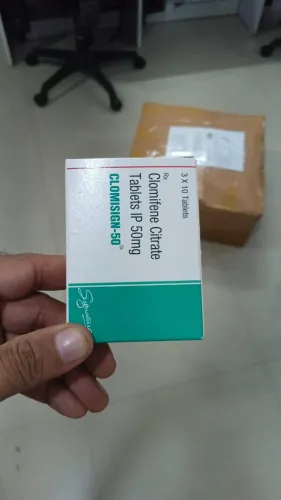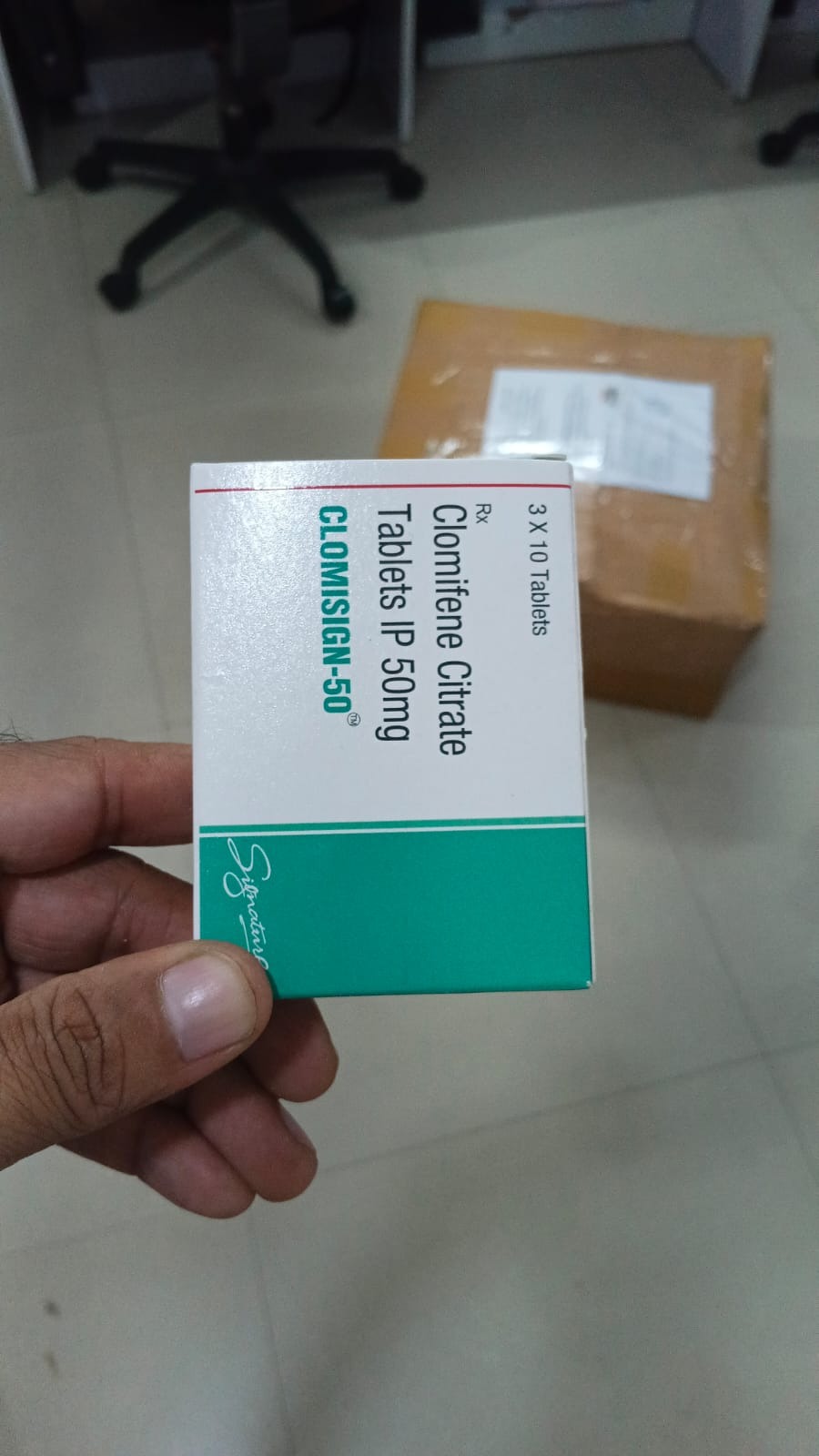
Clomifene, also known as clomiphene citrate, is a prescription fertility medicine used to stimulate ovulation in selected women experiencing difficulty conceiving. It belongs to a group of medicines called selective estrogen receptor modulators and influences hormonal signals involved in egg development and release.
Products containing clomifene may be marketed under different brand names, including Clomisign-50, depending on the manufacturer and country. For individuals in Washington exploring fertility treatment, understanding its medical uses, possible side effects and monitoring requirements can help clarify its role in reproductive healthcare.
What Is Clomifene and What Is Its Active Ingredient?
Clomifene citrate is the active pharmaceutical ingredient in clomifene-based fertility medicines.
It works by influencing estrogen receptors involved in hormonal feedback between the hypothalamus, pituitary gland and ovaries.
This interaction can increase the release of hormones involved in follicular development, particularly follicle-stimulating hormone and luteinizing hormone.
These hormones support the development of ovarian follicles and the process of ovulation.
Clomifene is not a hormone replacement medicine. Instead, it influences the body's existing reproductive hormone signalling.
What Are the Medical Uses of Clomifene?
Clomifene is primarily associated with ovulation induction in women experiencing certain types of ovulatory dysfunction.
It may be considered when menstrual cycles are irregular or ovulation does not occur consistently.
One condition associated with ovulatory difficulties is polycystic ovary syndrome, commonly called PCOS.
However, clomifene is not automatically the preferred treatment for every patient with PCOS. Current clinical guidelines often recommend letrozole as a first-line ovulation-induction treatment for appropriate patients with anovulatory PCOS.
Treatment selection depends on the individual's diagnosis, medical history and reproductive goals.
How Does Clomifene Support Ovulation?
Ovulation occurs when a mature egg is released from an ovarian follicle.
Hormonal imbalances can interfere with this process, making conception more difficult.
Clomifene influences hormonal feedback mechanisms that help stimulate follicular development.
However, successful ovulation does not guarantee pregnancy.
Other factors, including fallopian tube function, uterine health and sperm quality, also influence fertility outcomes.
A complete fertility evaluation is therefore important before deciding whether ovulation induction is appropriate.
What Are the Possible Side Effects?
Clomifene may cause several adverse reactions, including:
Hot flashes and headaches.
Abdominal discomfort or bloating.
Nausea and dizziness.
Breast tenderness.
Mood changes.
Visual disturbances.
Ovarian enlargement.
Clomifene can also increase the likelihood of multiple pregnancy.
Visual symptoms are particularly important because persistent or significant disturbances require prompt medical assessment.
The medicine should not be used during an existing pregnancy.
Why Is Fertility Monitoring Important?
Healthcare professionals may use ultrasound examinations, hormone testing and menstrual cycle information to assess treatment response.
Monitoring helps identify whether ovulation is occurring and whether the ovaries are responding appropriately.
It also helps identify situations in which treatment should be reassessed.
Repeated medication use without investigating other infertility factors may delay more suitable treatment.
What Should Patients in Washington Know About Clomifene?
Patients researching Clomisign-50 should verify the active ingredient, formulation, prescribing information and regulatory status.
An internationally marketed product name does not independently establish FDA approval.
ERNEST IMPEX may be encountered during pharmaceutical product research, but any clomifene formulation should be evaluated using verified product and regulatory documentation.
Clomifene can be useful in selected fertility treatment plans, but its effectiveness depends on accurate diagnosis, appropriate patient selection and clinical monitoring.
Keywords