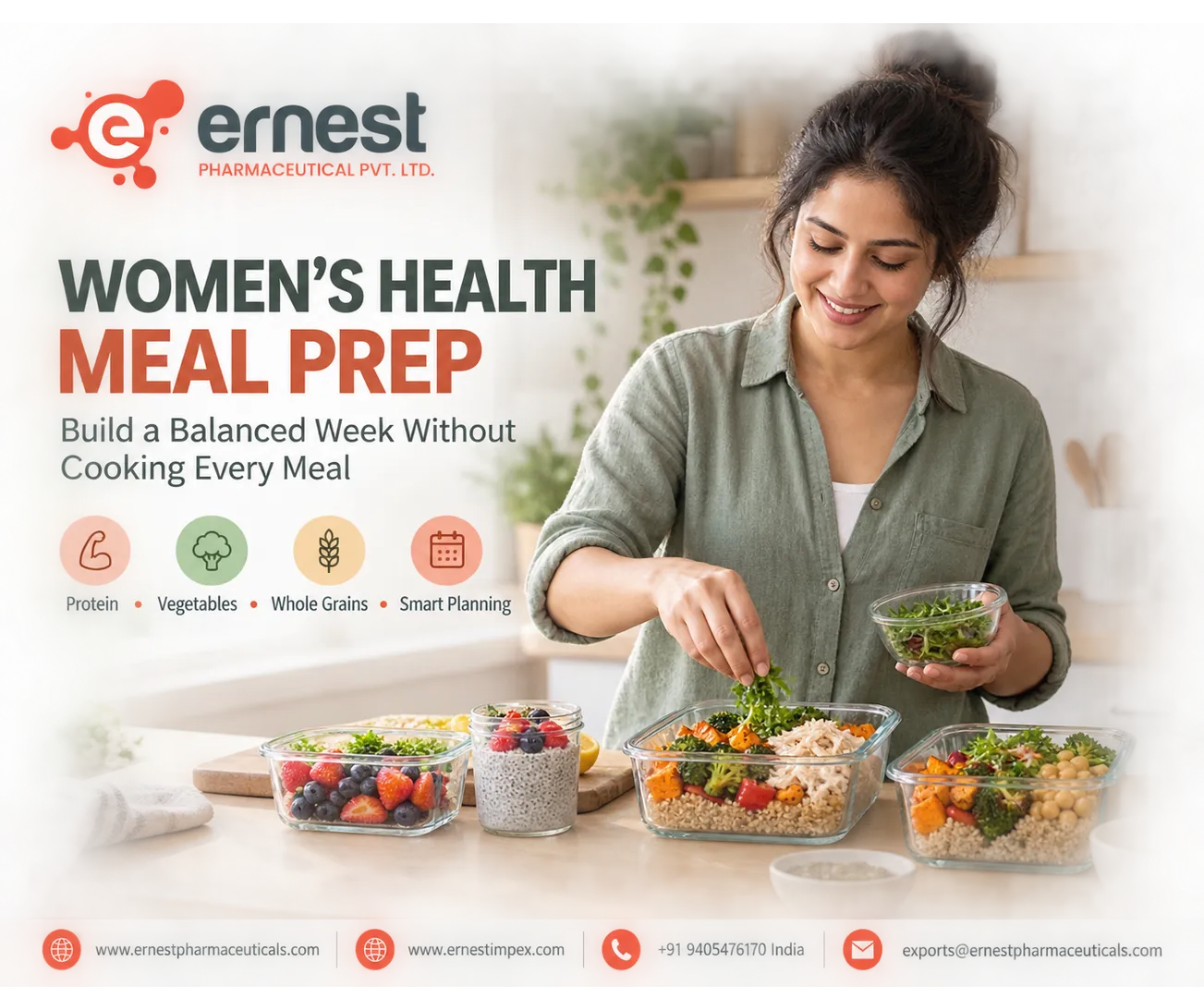
Women’s health meal prep
healthy meal prep for women, balanced weekly meals, women’s nutrition plan, protein meal prep, healthy food preparation, nutrient-rich diet for women, weekly meal planningWomen’s Health & Nutrition
Women’s Health Meal Prep: Build a Balanced Week Without Cooking Seven Complete Meals
Weekly meal preparation does not have to mean cooking seven identical lunches or spending an entire Sunday in the kitchen. A flexible approach is to prepare a few useful ingredients that can be combined differently throughout the week.
For women managing work, family responsibilities, exercise or changing nutritional needs, ingredient-based meal preparation can make balanced eating more practical. It may also reduce the likelihood of skipping meals or relying heavily on convenience foods when time is limited.
The World Health Organization recommends eating a varied diet that includes fruits, vegetables, pulses, whole grains and lean sources of protein. Dietary diversity makes it more likely that the body will receive the vitamins and minerals it needs.
What Is Ingredient-Based Meal Preparation?
Traditional meal prep usually involves cooking several complete meals in advance. Ingredient-based meal prep takes a more flexible approach.
Instead of deciding exactly what you will eat every day, prepare separate components such as:
- Two protein sources
- Two cooked vegetables
- One whole-grain or starchy carbohydrate
- Washed fruits and raw vegetables
- One breakfast base
- One simple snack option
- One dressing, dip or sauce
These components can become breakfast bowls, salads, wraps, grain bowls or quick evening meals. This method provides structure without making the week’s meals repetitive.
A Practical 90-Minute Preparation Plan
First 15 minutes: organise and preheat
Wash your hands, clean the working surface and preheat the oven. Begin with the ingredients that take longest to cook, such as potatoes, whole grains or roasted vegetables.
Prepare separate chopping boards and utensils for raw meat and ready-to-eat foods to reduce cross-contamination.
Next 30 minutes: prepare proteins
Choose two protein sources based on your dietary preferences. Options may include:
- Roasted or shredded chicken
- Eggs
- Fish
- Lean minced meat
- Lentils or beans
- Tofu, tempeh or paneer
- Unsweetened Greek-style yoghurt
Protein contributes to the maintenance of muscle and normal body tissues. However, individual protein requirements vary according to body size, age, activity, pregnancy and medical conditions.
Next 25 minutes: roast vegetables and carbohydrates
Prepare colourful vegetables such as broccoli, Brussels sprouts, zucchini, carrots, capsicum or cauliflower. Combine these with sweet potatoes, brown rice, quinoa, oats or another suitable carbohydrate source.
WHO recommends that adults consume at least 400 grams of fruits and vegetables and obtain carbohydrates primarily from whole grains, vegetables, fruits and pulses.
Final 20 minutes: prepare breakfast and snacks
Prepare a simple breakfast base such as overnight oats, chia pudding or yoghurt with fruit. Wash and portion fruit, cucumber, carrots or other convenient snacks.
Nuts, seeds, fruit, yoghurt and hummus can help make snacks more satisfying than products containing large quantities of added sugar.
Nutrients Women Should Consider
Women do not all require the same diet. Nutritional needs vary across adolescence, reproductive years, pregnancy, breastfeeding, menopause and older age.
Important nutrients may include:
Iron
Iron is required to produce haemoglobin, which carries oxygen through the blood. Women who menstruate may have greater iron needs. Food sources include meat, lentils, beans, leafy vegetables and fortified foods. Iron supplements should not be started automatically because excessive intake can also be harmful.
Folate
Folate supports normal cell division. It is especially important before and during pregnancy. Natural sources include leafy vegetables, beans, citrus fruits and fortified grain products.
Calcium and vitamin D
Calcium and vitamin D contribute to bone health. Dairy products, fortified alternatives, some leafy vegetables and fish with edible bones can provide calcium. Vitamin D needs may be harder to meet through food alone, but supplementation should be based on professional advice where appropriate.
Turning Prepared Ingredients Into Different Meals
Prepared components can be used in several ways:
- Breakfast bowl with oats, yoghurt, fruit and seeds
- Sweet-potato bowl with protein and roasted vegetables
- Whole-grain wrap with chicken, salad and yoghurt dressing
- Lentil bowl with vegetables and tahini
- Savoury egg bowl with potatoes and greens
- Fruit and yoghurt snack with nuts
Changing seasonings and sauces can make the same core ingredients feel different without requiring another full cooking session.
Food Storage and Safety
Prepared food must be handled carefully. Refrigerate cooked and perishable food within two hours and keep the refrigerator at or below 4°C. Divide large quantities into shallow containers so they cool more quickly. Reheat suitable leftovers thoroughly, and freeze portions that will not be used promptly.
People who are pregnant, immunocompromised or managing a medical condition should follow any additional food-safety advice provided by their healthcare professional.
Global Women’s Healthcare Supply Support
Ernest Pharmaceutical Pvt. Ltd. supports legitimate B2B requirements from pharmaceutical distributors, importers, hospitals, pharmacies, wholesalers and institutional healthcare buyers.
Product availability is subject to regulatory requirements, manufacturer stock and destination-country import rules.
Send Your Medicine Requirement Today
Contact Ernest Pharmaceutical Pvt. Ltd. for women’s healthcare, nutritional-support and general pharmaceutical procurement requirements.
Pharmaceutical Exporter | Bulk Medicine Supplier | Worldwide Distribution
Disclaimer: This article provides general nutrition information and does not replace individual advice from a registered dietitian or qualified healthcare professional.
Keywords