Can a Heart Attack Happen Without Chest Pain? Warning Signs You Should Know
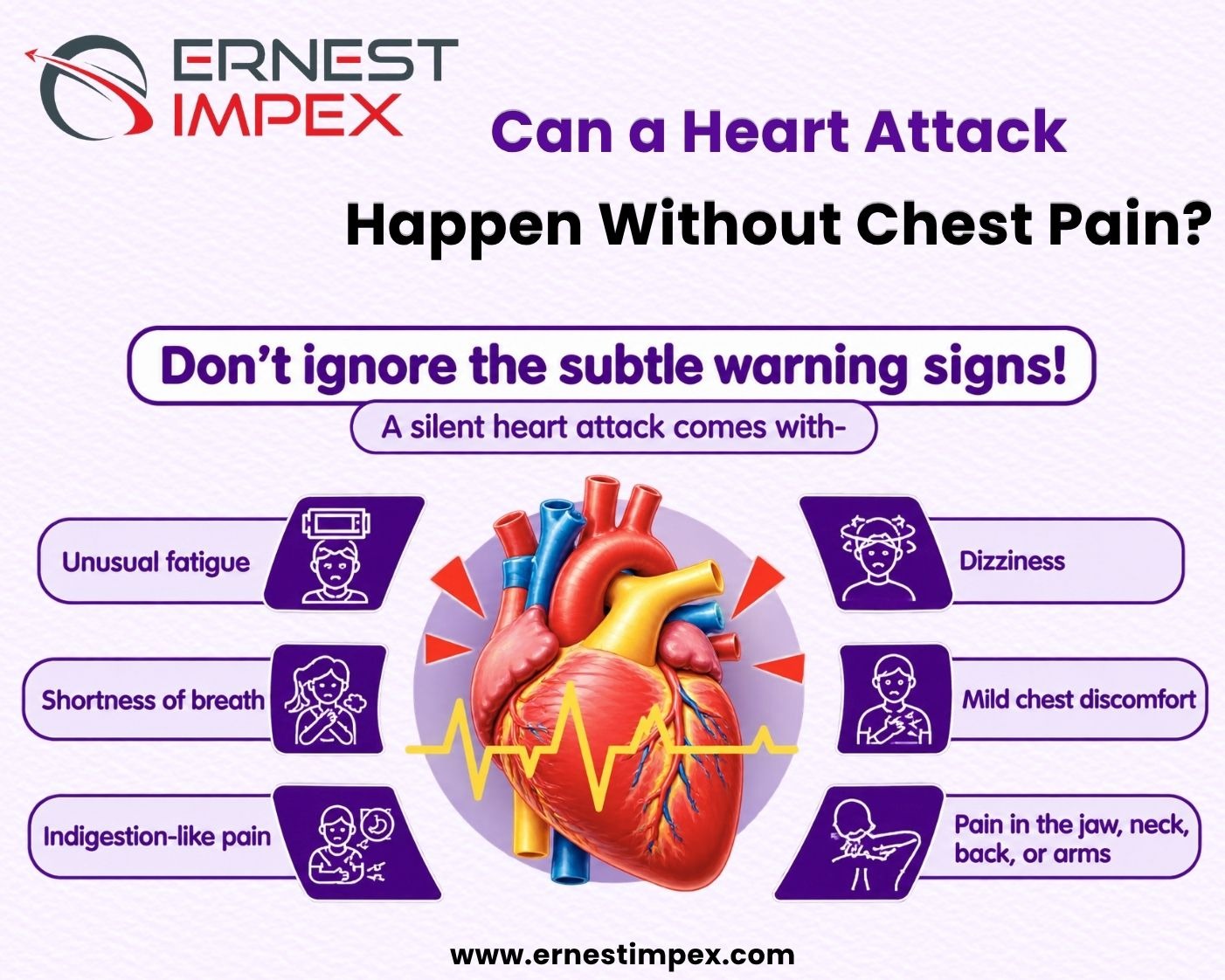
Most people imagine a heart attack as a sudden, painful event where someone grabs their chest and struggles to breathe. But a heart attack does not always happen this way. Some people experience a heart attack without any noticeable chest pain. Instead, they may feel unusually tired, short of breath, dizzy, or sick to their stomach. Others notice discomfort in their shoulder, arm, jaw, or back. These symptoms can be confusing because they may resemble everyday health problems such as indigestion, muscle strain, or exhaustion. Yes, a heart attack can happen without chest pain. Understanding these symptoms is important because waiting for severe chest discomfort could delay emergency treatment.
What Happens Inside the Body During a Heart Attack?
The heart is a muscle that works continuously to pump blood throughout the body. Like other muscles, it needs oxygen to function properly. Coronary arteries carry oxygen-rich blood to the heart muscle. A heart attack, also called a myocardial infarction, usually happens when blood flow through one of these arteries becomes blocked or severely reduced. Often, fatty deposits build up inside an artery over time. When a deposit ruptures or erodes, it can lead to the formation of a blood clot that interrupts blood flow. When part of the heart muscle is deprived of oxygen, damage to its cells begins. Chest pain or pressure is a common symptom, but not everyone experiences it.
Can You Really Have a Heart Attack Without Chest Pain?
Yes. A person can have a heart attack without feeling the typical pain or pressure in the chest. Some people experience symptoms in other parts of the body. Others may have only mild discomfort or symptoms they do not recognize as heart-related. For example, someone may suddenly feel breathless while doing a normal activity. Another person may experience nausea, sweating, or unusual weakness without any chest discomfort. A heart attack with few or unrecognized symptoms is sometimes called a silent heart attack. However, a heart attack without chest pain is not necessarily silent. Other symptoms may still be noticeable or severe. This is why doctors consider several symptoms and test results rather than relying on chest pain alone.
What Are the Warning Signs of a Heart Attack Without Chest Pain?
The warning signs can differ from person to person. Some develop suddenly, while others appear gradually.
1. Shortness of Breath
Feeling breathless during normal activities or while resting can sometimes indicate a heart problem. A person may find it difficult to take a comfortable breath even without chest discomfort. Sudden unexplained breathlessness, especially with sweating or weakness, needs urgent medical attention.
2. Unusual Tiredness
Everyone feels tired occasionally, but extreme or unexplained fatigue can sometimes be associated with a heart attack. A person may feel exhausted after simple activities that normally cause no difficulty. Some people, especially women, have reported unusual fatigue before or during a heart attack.
3. Nausea or Stomach Discomfort
Some heart attacks cause nausea, vomiting, or discomfort in the upper abdomen. The sensation may resemble indigestion, which can make it difficult to recognize the underlying problem. New stomach discomfort accompanied by sweating, breathlessness, or dizziness should not be dismissed.
4. Cold Sweating
Sudden cold sweating without physical exertion or an obvious reason may be a warning sign. The skin may feel clammy, and the person may also experience nausea or weakness.
5. Pain in the Jaw, Neck, Back, or Arms
Heart-related discomfort can sometimes be felt away from the chest. Some people experience aching, pressure, or heaviness in their jaw, neck, back, shoulder, or one or both arms. These symptoms may appear even when there is no noticeable chest pain.
6. Dizziness or Lightheadedness
Feeling faint, suddenly dizzy, or unusually weak may sometimes occur during a heart attack. These symptoms can have several causes, but take them seriously if they occur with other warning signs.
What Is a Silent Heart Attack?
A silent heart attack is a heart attack that happens without obvious symptoms or with symptoms that are not recognized at the time. Someone may experience mild fatigue, breathlessness, or stomach discomfort and assume it is related to stress or another common condition. In some cases, the person does not realize a heart attack has occurred until a doctor identifies evidence of previous heart muscle damage. Tests such as an electrocardiogram (ECG) or cardiac imaging may help detect signs of an earlier heart attack. Although the symptoms may be less noticeable, a silent heart attack can still cause permanent damage to the heart.
Can Heart Problems Happen Without Chest Pain?
Yes. Several heart conditions may develop or cause symptoms without noticeable chest discomfort. People searching for heart problems without chest pain may be surprised to learn that heart disease does not always produce pain.
For example:
- Heart failure: May cause shortness of breath, swelling in the legs, or unusual tiredness.
- Heart rhythm disorders: May cause palpitations, dizziness, fainting, or weakness.
- Coronary artery disease: Can sometimes cause breathlessness or fatigue without typical chest pain.
- Heart attacks: May occur with symptoms such as nausea, sweating, or arm discomfort instead of chest pain.
These symptoms are not specific to heart disease. They may also occur with other medical conditions. A healthcare professional can determine whether further heart-related testing is needed.
Is Chest Pain Possible Without Blockage in the Heart Arteries?
Yes. A person can experience chest pain without blockage in the major coronary arteries. Some people have chest discomfort even when tests do not show a significant obstruction in the larger coronary arteries. Possible heart-related explanations include:
Coronary Artery Spasm
A coronary artery may temporarily tighten, reducing blood flow to the heart muscle. This can cause chest discomfort even without a fixed major blockage.
Coronary Microvascular Dysfunction
The small blood vessels supplying the heart may not function normally. This can cause symptoms of reduced blood flow even when the larger coronary arteries appear relatively clear.
Other Medical Conditions
Chest pain may also arise from problems involving the lungs, digestive system, chest muscles, or ribs. Importantly, some heart attacks can occur without a major obstructive coronary artery blockage. Therefore, finding no significant blockage in a major artery does not automatically rule out every serious heart condition.
What Causes Chest Pain Without Heart Problems?
Not all chest discomfort comes from the heart. There are several possible explanations for chest pain without heart problems.
Acid Reflux
Acid moving from the stomach into the food pipe may cause a burning sensation in the chest. This discomfort can sometimes feel similar to heart-related pain.
Muscle Strain
Heavy lifting, exercise, or repetitive movements may strain the muscles around the chest.
Costochondritis
Inflammation where the ribs connect to the breastbone can cause tenderness and chest pain.
Anxiety or Panic Attacks
Anxiety and panic attacks may cause chest tightness, rapid breathing, sweating, or a racing heartbeat.
Respiratory Conditions
Certain lung conditions may cause chest discomfort, especially when breathing deeply or coughing. However, it is not possible to reliably identify the cause of chest pain based only on how it feels. New, severe, persistent, or unexplained chest pain requires prompt medical evaluation.
Can Chest Pain Occur Without a High Heart Rate?
Yes. Chest pain without high heart rate is possible. Many people believe a heart attack always causes the heart to beat faster. In reality, heart rate can remain normal, increase, or decrease during a heart attack. A normal pulse does not mean that the heart is receiving enough blood. For example, someone may experience chest pressure or breathlessness while their heart rate remains within their usual range. This is why checking the pulse alone cannot confirm or rule out a heart attack. If symptoms suggest a possible heart attack, you need emergency medical attention regardless of your heart rate.
Can Left Arm Pain From Shoulder to Hand Happen Without Chest Pain?
Yes. Left arm pain from shoulder to hand without chest pain can occur for several reasons. Sometimes, heart-related discomfort spreads into the shoulder or arm without noticeable chest pain. However, many cases of arm pain arise from problems unrelated to the heart.
Possible causes include:
- Muscle strain or overuse
- Nerve irritation in the neck
- Shoulder joint conditions
- Tendon inflammation
- Injury to the arm or surrounding tissues
Arm discomfort related to muscles or nerves may change with movement, but this does not reliably exclude a heart problem.
If left arm pain begins suddenly, has no clear explanation, or occurs with sweating, nausea, dizziness, or breathlessness, emergency medical evaluation is important.
Who May Experience a Heart Attack Without Typical Chest Pain?
Anyone can experience a heart attack without chest pain, but certain groups may be more likely to have less typical symptoms.
People With Diabetes
Diabetes can affect nerve function over time. Some people with diabetes may experience reduced awareness of pain. Diabetes also increases the risk of cardiovascular disease.
Older Adults
Older adults may experience breathlessness, weakness, dizziness, or confusion rather than obvious chest discomfort.
Women
Chest discomfort remains a common heart attack symptom in women. However, women may also experience nausea, unusual fatigue, breathlessness, or discomfort in the back, jaw, or shoulders.
People With Existing Heart Disease
Someone with a previous heart attack or coronary artery disease may experience symptoms that differ from earlier episodes. New or unexplained symptoms should not be ignored.
How Do Doctors Identify a Heart Attack Without Chest Pain?
Doctors use a combination of medical history, symptoms, physical examination, and diagnostic tests.
Electrocardiogram (ECG)
An ECG records the electrical activity of the heart. It can help identify changes associated with a heart attack, although a normal initial ECG does not always rule one out.
Cardiac Troponin Blood Test
Troponin is released into the bloodstream when heart muscle cells are injured. Doctors may repeat troponin testing over time to help identify heart muscle damage.
Echocardiogram
This ultrasound examination helps doctors assess how well the heart pumps blood and whether certain areas of the heart muscle are moving normally.
Coronary Angiography
When appropriate, coronary angiography helps doctors examine the coronary arteries and identify blockages. The choice of tests depends on the patient's symptoms and clinical condition.
When Should You Seek Emergency Medical Help?
A suspected heart attack requires immediate medical attention, even without chest pain.
Call emergency medical services if someone develops sudden, unexplained symptoms that may indicate a heart attack, particularly breathlessness, sweating, nausea, faintness, or discomfort in the chest, arm, jaw, or back.
While waiting for help:
1. Stop physical activity and rest.
2. Do not attempt to drive yourself to the hospital.
3. Follow instructions from emergency medical personnel.
4. Ask the emergency operator whether aspirin is appropriate, especially if there is a history of allergy or bleeding.
5. Do not wait for chest pain to develop.
How Can You Lower Your Risk of Heart Disease?
Healthy habits and appropriate medical care can help reduce cardiovascular risk.
Monitor Blood Pressure
High blood pressure can damage blood vessels over time. Regular monitoring helps identify problems early.
Manage Cholesterol
High LDL cholesterol can contribute to plaque buildup inside the arteries. Dietary changes, physical activity, and prescribed treatment may help manage cholesterol levels.
Keep Blood Sugar Under Control
People with diabetes should work with their healthcare professionals to manage blood glucose and other cardiovascular risk factors.
Avoid Smoking
Smoking damages blood vessels and increases the risk of cardiovascular disease.
Stay Physically Active
Regular movement supports heart health. The amount and type of exercise should suit individual health needs.
Follow a Balanced Diet
Include vegetables, fruits, whole grains, legumes, and other nutritious foods while limiting excessive salt and saturated fat.
Attend Regular Medical Checkups
Routine medical assessments can help identify risk factors that may not cause obvious symptoms.
Frequently Asked Questions
1. Can a heart attack happen without any chest pain?
Yes. Some people experience a heart attack without chest pain. Warning signs may include shortness of breath, nausea, sweating, dizziness, or discomfort in the arms or jaw.
2. Can you experience chest pain without blocked arteries?
Yes. Chest pain may occur without significant blockage in the major coronary arteries. Possible causes include coronary spasms, small-vessel dysfunction, digestive problems, and muscle-related conditions.
3. Does a normal heart rate mean you are not having a heart attack?
No. A heart attack can occur when the heart rate is normal, fast, or slow. Heart rate alone cannot rule out a heart attack.
4. Is left arm pain without chest pain always related to the heart?
No. Left arm pain may result from muscle strain, nerve problems, or joint conditions. However, sudden unexplained arm discomfort, especially with other warning signs, requires urgent medical assessment.
5. Can heart disease develop without noticeable symptoms?
Yes. Some heart conditions develop gradually and may cause few or no noticeable symptoms during their early stages. Regular medical care can help identify cardiovascular risk factors.
6. Can a heart attack feel like indigestion?
Yes. Some heart attacks cause discomfort in the upper abdomen, nausea, or indigestion-like feelings. Symptoms of a suspected heart attack need emergency evaluation, as they can overlap.
7. Can someone have a heart attack while sleeping?
Yes. Heart attacks can happen during sleep. A person may wake up feeling breathless, sweaty, nauseated, or unusually uncomfortable.
Keywords