

Cancer Awareness & Digestive Health
Learn about possible colon cancer warning signs, including blood in stool, bowel changes, abdominal discomfort, and unexplained weight loss. Ernest Impex shares an evidence-based guide for Washington readers.
Colon Cancer Warning Signs: What Washington Readers Should Know
Colon cancer warning signs can include blood in the stool, changes in bowel habits, and ongoing abdominal discomfort. These symptoms can also be due to other causes, so noticing these symptoms does not necessarily mean cancer. Look for the reason by checking unexplained changes.
Ernest Impex presents this educational guide for Washington readers and healthcare professionals, alongside pharmaceutical distributors, wholesalers, hospital supply partners, and healthcare procurement teams.
Why Early Detection Matters
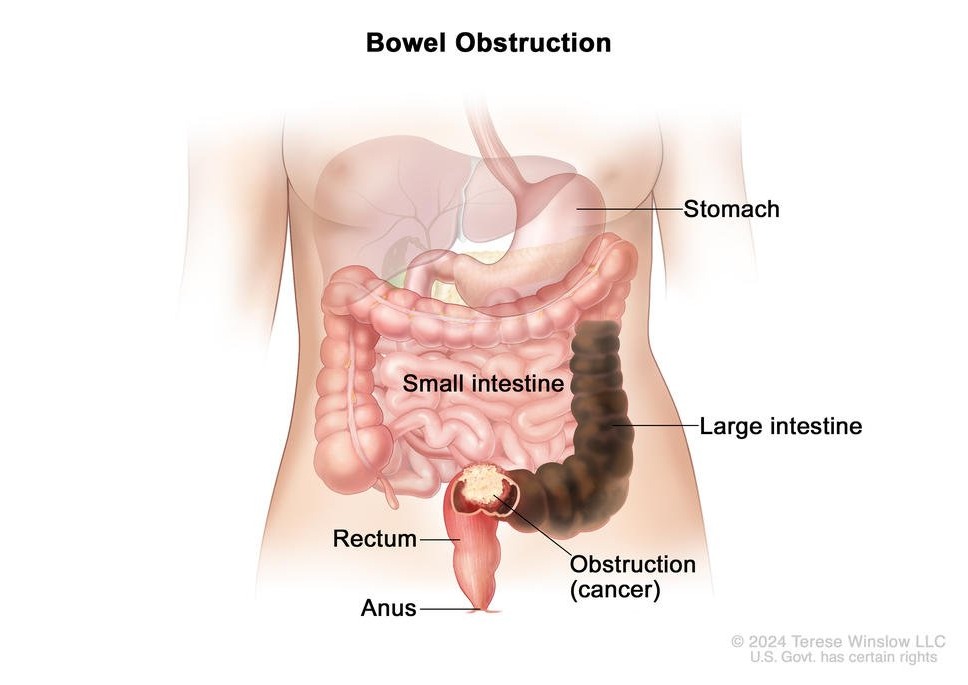
Colon cancer starts in the colon, which forms part of the large intestine. The term colorectal cancer includes cancers of both the colon and rectum.
Current US SEER data report five-year relative survival of 91.3% for localised colorectal cancer, compared with 16.9% for distant disease. These broad categories are not exact substitutes for numbered stages, and the figures cannot predict an individual person’s outcome.
Early detection matters, but a late diagnosis does not mean someone ignored warning signs. Some cancers cause few noticeable symptoms.
Five Changes Worth Discussing With a Doctor
1. Blood in the Stool or Rectal Bleeding
Haemorrhoids can cause bleeding, but they are not the only possible explanation. Do not assume the cause based on whether bleeding is painful, occasional, or associated with straining.
Arrange medical assessment for unexplained blood in stool. Black, tarry stools can be a sign of bleeding higher up in the digestive tract and should be treated as a medical emergency. medlineplus.gov (
2. A Continuous Change in Bowel Habits
New diarrhoea, constipation, or a continuing change from your usual pattern deserves attention.
Narrow stools alone do not prove a tumour is narrowing the bowel. Describe a persistent change to your clinician, especially if bleeding, pain, or weight loss is also present.
3. Recurrent Abdominal Pain
Many things can explain multiple cramps, bloating or abdominal pain.If your symptoms are different from your normal pattern of digestion, or if they persist or worsen, get evaluated instead of assuming they are due to food or stress.
4. Weight loss without explanation
Unintentional Weight Loss: When to See a Healthcare ProfessionalThere are a number of causes and it needs to be looked at in context.
5. Low iron or unexplained tiredness
Investigate persistent tiredness or iron-deficiency anemia. Sometimes there is slow bleeding from the digestive tract and no blood is seen. These bowel, abdominal, weight, and fatigue changes are recognised possible colorectal cancer symptoms, but none confirms the diagnosis alone.
When to Seek Urgent Help
Seek urgent medical attention for black, tarry stools or substantial bleeding. Call emergency services for bleeding accompanied by fainting, confusion, marked dizziness, or other signs of severe illness.
Do not wait several weeks to see whether significant bleeding continues.
Screening Is Different From Symptom Investigation
Colorectal cancer screening looks for disease before symptoms develop. Diagnostic testing investigates symptoms that are already present.
Most average-risk US adults should begin screening at 45. Screening can detect cancer early and find certain polyps before they become cancerous. People with symptoms should seek assessment regardless of screening age.
Preparing for a Medical Appointment
Write down:
When the change began and whether it is worsening.
Any bleeding or change in stool appearance.
Asassociated pain, tiredness or weight loss.
Memedications and supplements you take.
Refamily history and previous test results.
“This information provides a useful consultation in digestive health.
Ernest Impex - Product Info & Contact B2B Inquiries
Exporters, Distributors, Wholesalers, Hospital Supply Partners & Healthcare Procurement Teams including Domestic & Pan India Buyers are invited for pharmaceutical inquiries.
For hospital medicine procurement, the specific product, strength, quantity, destination and documentation requirements must be specified.Batch traceability, expiry, packaging integrity and storage conditions. Check manufacturer details before accepting supply.
This article provides awareness information; it does not diagnose symptoms or recommend a medicine for suspected cancer.
Frequently Asked Questions
1. Does blood in stool always mean colon cancer?
No. There are many conditions that can cause bleeding.Medical evaluation helps to determine the cause.
2. Can colon cancer develop without apparent symptoms?
Yes.“Early disease may not have any noticeable symptoms, which is why screening is so important.
3. Is pencil thin stool a good cancer test?
Nope. Stool shape alone cannot diagnose or exclude cancer. Persistent changes should be discussed with a clinician.
4. When should average-risk adults start screening?
In the US, recommendations generally start at age 45.The proposed plan may change due to personal risk.
5. Should someone under 45 get symptoms checked?
Yes. Screening age is not a reason to postpone investigation of symptoms.
Conclusion
Knowing possible warning signs can support timely care, but symptoms cannot replace screening or medical testing. Ernest Impex encourages Washington readers to discuss unexplained changes with a qualified healthcare professional.
Blog Title*
Colon Cancer Symptoms and Screening: New York Guide
Category
Preventive Health & Cancer Awareness
Excerpt
Not every bowel change means cancer, and early colorectal cancer may cause no symptoms. Ernest Impex explains what New York readers should know about bleeding, persistent changes, screening, and medical assessment.
Content*
Colon Cancer Symptoms and Screening: A Guide for New York Readers
Colon cancer symptoms can overlap with common digestive conditions. That makes self-diagnosis difficult: a familiar explanation may be correct, but persistent or unexplained changes still need assessment.
Ernest Impex shares this guide for New York readers, pharmaceutical distributors, wholesalers, hospital supply partners, and healthcare procurement teams.
Feeling Well Does Not Remove the Need for Screening
Colorectal cancer does not always provide an early warning. Some people have no symptoms when the disease is first detected.
Screening helps look for disease before symptoms appear. Waiting for five specific signs is therefore not a dependable prevention strategy.
Five Reasons to Arrange a Medical Review
1. Unexplained Rectal Bleeding
Blood on toilet paper, in the toilet, or mixed with stool needs consideration in context. A previous haemorrhoid diagnosis does not establish the cause of every future episode.
2. A Continuing Change in Your Usual Bowel Pattern
Describe new constipation, diarrhoea, or a persistent change in stool appearance to your clinician. Stool width alone cannot show what is happening inside the colon.
3. Chronic abdominal pain or cramping
Digestive issues are common.Any new pattern that is persistent or worsening should be evaluated particularly in the light of other unexplained changes.
4. Unintentional Weight Loss
Unplanned weight loss is a reason for medical review, even when it occurs without bowel symptoms.
5. Persistent Fatigue or Iron-Deficiency Anaemia
Low iron and ongoing fatigue can have several causes. Your clinician may investigate digestive blood loss where appropriate. These symptoms are possible clues rather than proof of cancer.
Why Bleeding Patterns Cannot Give a Diagnosis
It is unsafe to decide that bleeding is from haemorrhoids simply because it happens after straining—or that regular bleeding must be cancer.
Bleeding has multiple possible causes. Some digestive bleeding is too small to see, yet can contribute to anaemia over time. Rectal bleeding assessment may involve examination, blood tests, or further investigations selected by the clinician.
Black, tarry stools require urgent investigation. Heavy bleeding with faintness or severe weakness requires emergency care.
Screening and Diagnostic Testing Serve Different Purposes
SituationAppropriate next discussionNo symptoms and average riskRoutine screening optionsFamily history or other increased riskAn individual screening planBleeding or persistent bowel changesDiagnostic assessmentSignificant bleeding with faintingEmergency medical care
The USPSTF recommends screening average-risk, asymptomatic adults aged 45–75. Between 76 and 85, the decision is individualised. These recommendations do not replace investigation of symptoms.
What Are the Benefits of Screening?
Bowel cancer screening finds some cancers at an earlier stage and finds polyps which can be removed before they become cancer.
There are many options including stool based tests and visual examinations such as colonoscopy. The suitable test and repeat interval depend on the method and personal circumstances. An abnormal stool screening result generally requires follow-up colonoscopy.
Understanding Survival Statistics
Survival figures describe groups of people, not a fixed outcome for an individual. They vary with the population, diagnosis period, and extent of disease.
Avoid presenting a single percentage as someone’s personal prognosis. The treating team can explain how the diagnosis and available treatments relate to their situation.
Healthcare Procurement and Ernest Impex
Ernest Impex accepts product-specific enquiries from exporters, pharmaceutical distributors, wholesalers, hospital supply companies, and institutional buyers, including domestic market and pan-India requirements.
Pharmaceutical wholesale supply Provide product name, strength, quantity, destination and required documents.Buyers should check the product supplied against agreed specification, manufacturer information, batch details, expiry and storage requirements.
Procurement services are not the same as diagnosis and treatment decisions.
FAQ's (Frequently Asked Questions)
1. Are symptoms distinguishing IBS from colon cancer?
Symptoms can be similar.The clinician assesses the history, warning features and testing needs.
2. How many symptoms should I look for?
No. Unexplained bleeding or a persistent concerning change can justify assessment on its own.
3. Is colonoscopy the only screening?
No, sir. There are different ways to screen. Your clinician can explain suitable choices and necessary follow-up.
4. Can a new symptom be explained by a normal screening test?
Not necessarily.New symptoms should still be assessed even after prior screening.
5. Can Ernest Impex cure or consult these symptoms?
This article provides general education. Diagnosis and treatment require a qualified healthcare professional.
Conclusion
For New York readers, the practical approach is to keep screening up to date and seek assessment for concerning changes. Ernest Impex supports clear health information and does not believe that every digestive symptom is cancer.