Healthy meal planning for women
Healthy Lifestyle / Preventive Nutrition
Budget-Friendly Healthy Meal Planning for Busy Women
Healthy eating is often presented as an expensive and time-consuming project. In practice, a useful weekly food plan can be built with ordinary ingredients, limited cooking time and a realistic grocery budget.
The objective is not to produce perfect-looking meals. It is to make nutritious food easier to access when the week becomes busy.
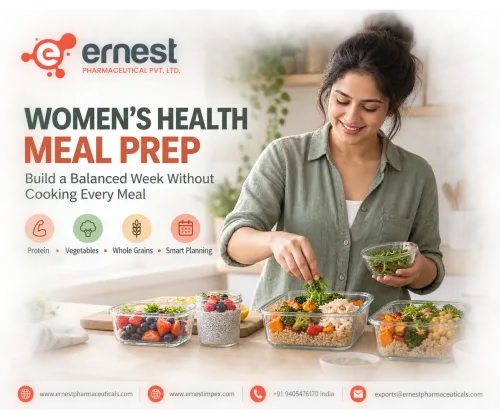
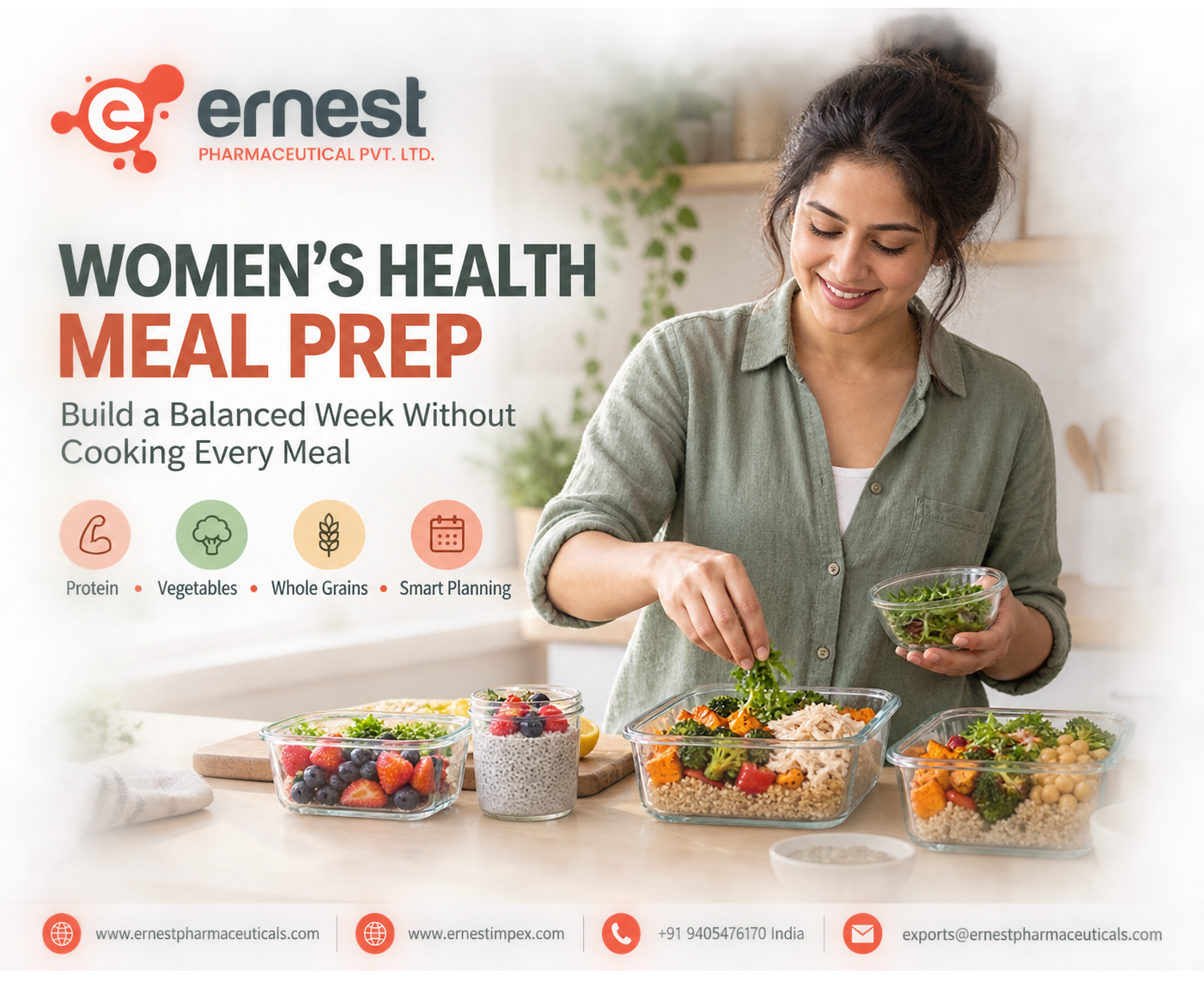
A practical plan begins with foods that can perform more than one role. A tray of roasted vegetables, cooked lentils, eggs, shredded chicken or a pot of whole grains can be used in several combinations instead of being tied to one fixed recipe.
Start With a Flexible Shopping Formula
Rather than buying ingredients for seven unrelated recipes, organise the list into basic food groups.
Choose two affordable proteins
Possible options include:
- Eggs
- Lentils
- Chickpeas or beans
- Chicken
- Tofu
- Tinned fish
- Plain yoghurt
- Lean minced meat
Combining animal and plant proteins can improve variety while helping control cost.
Select seasonal vegetables
Seasonal and locally available produce may offer better value. Frozen vegetables without excessive salt or sauces can also be practical because they last longer and require less preparation.
Add versatile carbohydrates
Choose two or three options, such as oats, brown rice, whole-grain bread, potatoes, sweet potatoes or whole-wheat wraps.
Whole grains, vegetables, fruits and pulses provide dietary fibre and other nutrients. WHO advises limiting foods high in free sugars, excess sodium and unhealthy fats while prioritising varied, minimally processed foods.
Include flavour-building ingredients
A small number of seasonings can transform the same basic ingredients:
- Lemon or lime
- Garlic
- Herbs
- Yoghurt
- Tahini
- Mustard
- Vinegar
- Paprika
- Black pepper
These ingredients make variety possible without purchasing a different bottled sauce for every meal.
Use the “Cook Once, Combine Differently” Method
The most efficient meal planning system does not always involve making complete meals. Prepare a few foundations and combine them according to appetite and schedule.
For example:
- Roasted vegetables + chickpeas + rice
- Shredded chicken + salad + wrap
- Egg + sweet potato + spinach breakfast bowl
- Yoghurt + oats + fruit + seeds
- Lentils + vegetables + whole-grain toast
- Minced meat or tofu + vegetables + grain bowl
This approach allows a person to choose a warm meal, salad, wrap or bowl using the same prepared foods.
How to Keep the Grocery Budget Under Control
Check the kitchen first
Review the refrigerator, freezer and pantry before making a shopping list. Build the week around ingredients already available.
Compare unit prices
The largest package is not always the best value if some of it will be wasted. Compare price by weight and purchase the amount that can realistically be used or frozen.
Use pulses regularly
Beans, chickpeas and lentils can provide protein, fibre and minerals at a relatively low cost. They may be used alone or combined with smaller portions of meat.
Plan delicate produce first
Use leafy greens, berries and other highly perishable foods earlier in the week. Reserve carrots, cabbage, apples, frozen vegetables and stored cooked foods for later days.
Freeze intentionally
Freeze bread, cooked grains and suitable portions of protein before they spoil. Clearly label containers with the contents and preparation date.
Supporting Women’s Nutritional Needs
Balanced meal planning should account for nutritional needs rather than focusing only on calories.
Meals can include:
- Iron-containing foods such as meat, beans and leafy vegetables
- Vitamin C sources alongside plant-based iron
- Calcium-containing foods or fortified alternatives
- Folate-rich vegetables and pulses
- Protein distributed across meals
- Fibre from fruits, vegetables, pulses and whole grains
- Sources of unsaturated fats, including nuts, seeds and olive oil
Some women may require personalised guidance because of pregnancy, breastfeeding, heavy menstrual bleeding, anaemia, diabetes, kidney disease, food allergies or gastrointestinal conditions.
Supplements should not be used as substitutes for a balanced diet. Iron, folic acid, calcium, vitamin D and other supplements may be appropriate in particular circumstances, but selection and dosage should follow qualified professional advice.
Important Meal-Prep Safety Rules
Convenience should never compromise food safety.
- Refrigerate perishable foods within two hours
- Keep the refrigerator at 4°C or below
- Store raw meat separately from cooked and ready-to-eat food
- Use clean containers with secure lids
- Cool large batches in shallow containers
- Reheat leftovers thoroughly
- Freeze portions that will not be eaten promptly
- Discard food when its storage history or safety is uncertain
FDA food-safety guidance recommends rapid refrigeration and proper temperature control for cooked food and leftovers.
A Healthy Plan Should Remain Adaptable
Meal planning is useful only when it fits real life. Travel, work schedules, menstrual symptoms, changing appetite and family responsibilities can affect what feels manageable.
A successful weekly plan should therefore provide structure without creating guilt. Prepared ingredients can reduce daily decision-making while still allowing meals to change according to hunger, culture and preference.
Healthcare Procurement Across Global Markets
Ernest Pharmaceutical Pvt. Ltd. supports B2B pharmaceutical requirements for licensed distributors, registered importers, hospitals, pharmacies, wholesalers and healthcare organisations.
Send Your Medicine Requirement Today
Contact Ernest Pharmaceutical Pvt. Ltd. for pharmaceutical availability, bulk quantities and international procurement support.
Pharmaceutical Exporter | Bulk Medicine Supplier | Worldwide Distribution
Disclaimer: This information is intended for general education and B2B healthcare awareness. Individual dietary needs should be discussed with a registered dietitian or qualified healthcare professional.