Jamaica
+919359902383
+919359902383

antibiotic medicine

68179d65be22ee500d53ff54 Card 2

product image
Antibiotic Medicine

Flusid 10g Cream (Fusidic Acid 2%) | Topical Antibiotic for Bacterial Skin Infections Flusid 10g Cream (Fusidic Acid 2%) | Treatment for Bacterial Skin Infections Description Flusid 10g Cream (Fusidic Acid 2%) is a topical antibiotic used to treat impetigo, infected wounds, folliculitis, and other bacterial skin infections. Learn about uses, dosage, benefits, side effects, and safety information. Flusid 10g Cream (Fusidic Acid 2%) Flusid 10g Cream contains Fusidic Acid 2%, a clinically proven topical antibiotic used for the treatment of bacterial skin infections caused by susceptible organisms, particularly Staphylococcus aureus. It is widely prescribed by dermatologists and healthcare professionals for localized skin infections, infected cuts, wounds, folliculitis, impetigo, and other dermatological conditions. Product Overview Product Details Information Generic Name: Fusidic Acid Brand Name: Flusid 10g Cream Strength: 2% w/w Dosage Form: Topical Cream Therapeutic Category: Topical Antibiotic Route of Administration: External Use Only Pack Size: 10g Tube Prescription Status: Prescription Medicine Clinical Uses of Flusid 10g Cream Impetigo:A highly contagious bacterial skin infection commonly affecting children and infants. Flusid helps eliminate infection-causing bacteria and promotes faster healing. Infected Cuts and Wounds:Used to prevent and treat bacterial contamination in minor wounds, abrasions, and cuts. Erythrasma:Effective in treating superficial bacterial infections affecting skin folds and moist areas of the body. How Flusid Cream Works Step-by-Step Mechanism of Action Step 1: Skin Penetration The cream penetrates the affected skin area and reaches the site of infection. Step 2: Targeting Bacteria Fusidic acid enters bacterial cells and targets essential protein synthesis pathways. Step 3: Inhibition of Elongation Factor G (EF-G) The medication prevents elongation factor G from functioning properly during protein production. Step 4: Prevention of Bacterial Growth Without protein synthesis, bacteria cannot multiply or spread. Step 5: Natural Elimination The body's immune system removes the weakened bacteria, helping resolve the infection. Dosage and Application Guidelines General Directions Clean and dry the affected area before application. Apply a thin layer of Flusid Cream to the infected skin. Gently massage until absorbed. General Directions Clean and dry the affected area before application. Apply a thin layer of Flusid Cream to the infected skin. Gently massage until absorbed. Side Effects of Flusid 10g Cream ommon Side Effects Mild redness Skin irritation Burning sensation Itching Rare Side Effects Allergic skin reactions Rash Swelling Safety Precautions and Warnings Hypersensitivity Reactions Avoid Prolonged Use Storage and Handling t 20°C to 25°C Away from direct sunlight Do not freeze Keep the tube tightly closed Keep out of reach of children Frequently Asked Questions (FAQs) What is Flusid 10g Cream used for? Flusid Cream is used to treat bacterial skin infections such as impetigo, folliculitis, infected wounds, boils, and erythrasma. How often should Flusid Cream be applied? Generally, it is applied two to three times daily or according to a doctor's instructions. Can Flusid Cream be used for acne? It should only be used for acne if specifically prescribed by a healthcare professional. How long does Flusid take to work? Many patients notice improvement within a few days, but the full course should always be completed. Is Flusid safe for children? Yes, it may be prescribed for children under medical supervision. PRESCRIPTION MEDICINE IS : YES Disclaimer This information is provided for educational and informational purposes only. Flusid 10g Cream (Fusidic Acid 2%) should be used under the guidance of a qualified healthcare professional. Always consult a physician or dermatologist for diagnosis, treatment recommendations, and appropriate medical advice. 📞 Contact Ernest Impex – Pharmaceutical Exporter from India [Group of Ernest Pharmaceutical Pvt. Ltd.] 🌐 Websites www.ernestimpex.com www.oncologymedicinesupplier.com www.ernestpharmaceuticals.com www.ernestvision.com 📧 Email exports@ernestpharmaceuticals.com 📦 Business Type Exporter | Bulk Supplier | Distributor 📲 WhatsApp +91 93599 02383 https://wa.me/919359902383

68179d65be22ee500d53ff54 Card 2

product image
Antibiotic Medicine

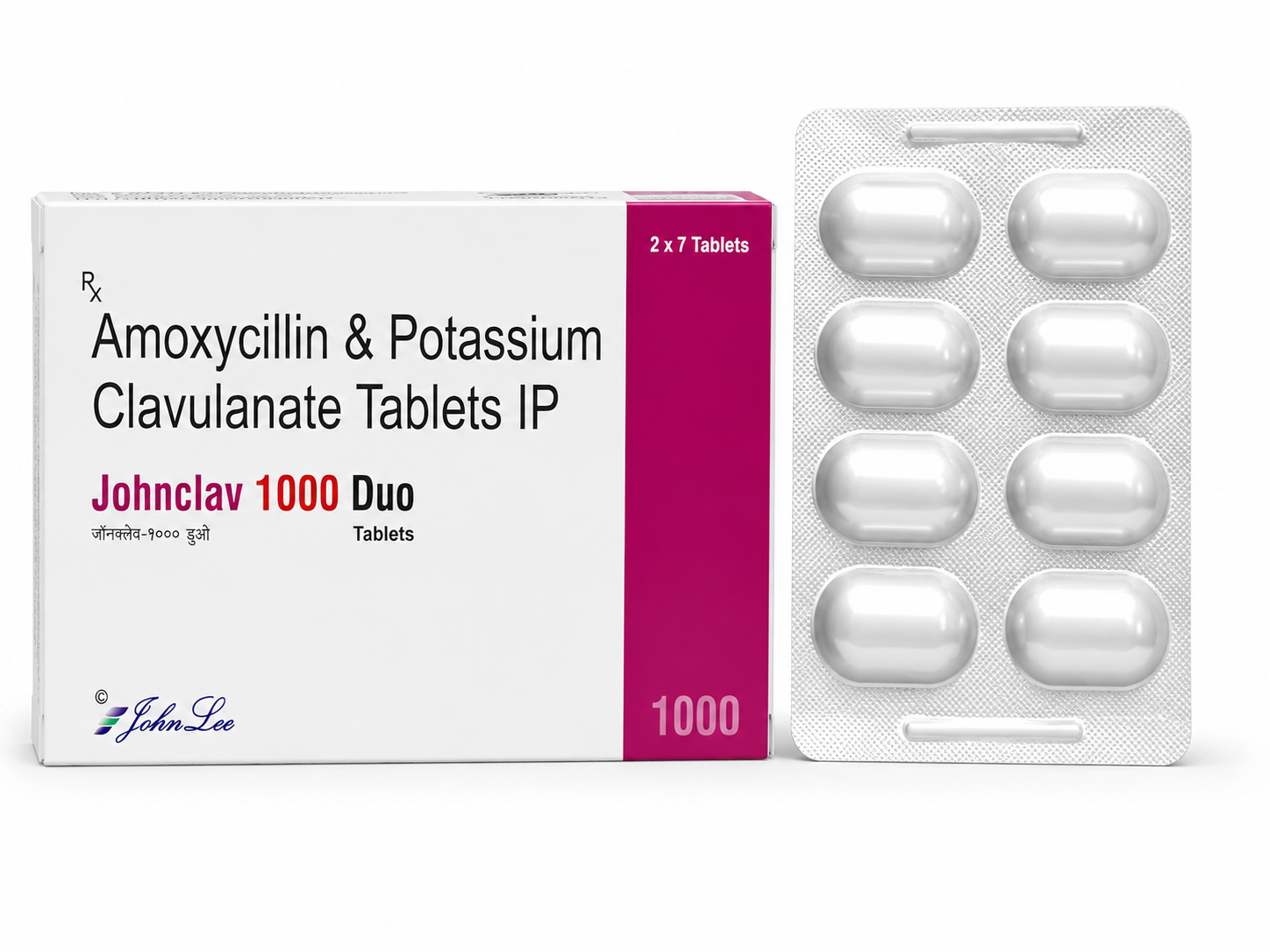
Extensive Product Profile: Understanding Johnclav 1000 Duo (Amoxicillin and Potassium Clavulanate) Johnclav 1000 Duo is a potent combination antibiotic containing Amoxicillin (a penicillin-class antibiotic) and Potassium Clavulanate (a beta-lactamase inhibitor). This formulation is designed to treat a wide range of bacterial infections that are often resistant to standard penicillin therapy. 1. Clinical Indications & Usage Johnclav 1000 Duo is indicated for the treatment of various bacterial infections, including: Respiratory Tract Infections: Used for community-acquired pneumonia, acute exacerbations of chronic bronchitis, and sinusitis. Urinary Tract Infections: Effective in managing complicated and uncomplicated cystitis and pyelonephritis. Skin and Soft Tissue Infections: Employed for cellulitis, animal bites, and severe dental abscesses. Otitis Media: Frequently prescribed for acute middle ear infections in both pediatric and adult populations. 2. Mechanism of Action The synergistic action of Johnclav 1000 Duo targets bacterial growth through two distinct pathways: Amoxicillin: This component inhibits bacterial cell wall synthesis by binding to penicillin-binding proteins (PBPs), leading to bacterial cell death. Potassium Clavulanate: Many bacteria produce enzymes called beta-lactamases, which destroy amoxicillin before it can act. Potassium Clavulanate acts as a beta-lactamase inhibitor, protecting amoxicillin from degradation and extending its spectrum of activity to include resistant bacterial strains. 3. Administration and Dosing Route: Johnclav 1000 Duo is an oral tablet formulation. Administration: It should be swallowed whole with a full glass of water. Food Interaction: It is recommended to take this medication at the start of a meal to minimize potential gastrointestinal side effects (such as stomach upset) and to maximize absorption. Dosing Schedule: Dosing must be strictly followed as prescribed by a healthcare provider to ensure the eradication of the infection and to prevent the development of antibiotic resistance. ⚠️ Safety, Side Effects, and Monitoring While Johnclav 1000 Duo is highly effective, clinical monitoring is necessary: Hypersensitivity: As a penicillin-class antibiotic, it is contraindicated in patients with a history of severe allergic reactions (anaphylaxis) to penicillin or cephalosporins. Gastrointestinal Effects: Common side effects include diarrhea, nausea, and vomiting. Superinfection: Prolonged use may occasionally result in overgrowth of non-susceptible organisms, such as Candida (thrush). Liver Function: Monitoring is advised for patients with existing hepatic impairment. 📦 Storage and Handling Specifications Storage: Store the tablets in a cool, dry place, at temperatures not exceeding 25°C. Environment: Keep the tablets in their original blister packaging to protect them from moisture and light. Keep strictly out of reach of children and domestic pets. PRESCRIPTION MEDICINE IS : YES Clinical Disclaimer: This profile is intended for educational purposes only. Johnclav 1000 Duo is a prescription antibiotic and must be utilized solely under the guidance of a licensed healthcare provider. Ensure the full course of therapy is completed to prevent the development of drug-resistant bacteria. 📞 Contact Ernest Impex—Pharmaceutical Exporter from India [GROUP OF ERNEST PHARMACEUTICAL PVT. LTD.] 🌐 Websites: www.ernestimpex.com | www.oncologymedicinesupplier.com | www.ernestpharmaceuticals.com | www.ernestvision.com 📧 Email: exports@ernestpharmaceuticals.com 📦 Business Type: Exporter | Supplier | Distributor 📲 WhatsApp: +91 93599 02383 📲 WhatsApp Link: https://wa.me/919359902383

68179d65be22ee500d53ff54 Card 2

product image
Antibiotic Medicine

Extensive Product Profile: Understanding Imipenem and Cilastatin for Injection 1 g Imipenem and Cilastatin for Injection 1 g is a powerful, broad-spectrum carbapenem antibiotic combination. It is a sterile, pyrogen-free formulation comprising two active components: Imipenem, a potent thienamycin antibacterial agent, and Cilastatin sodium, a reversible inhibitor of the renal enzyme dehydropeptidase I. This synergistic combination is utilized in clinical settings to manage severe, complicated bacterial infections where a high level of bactericidal activity is required. 1. Clinical Indications & Usage This combination therapy is reserved for the treatment of serious infections caused by susceptible organisms, particularly in hospital environments. Key clinical indications include: Lower Respiratory Tract Infections: Management of severe pneumonia and infected bronchiectasis. Urinary Tract Infections (UTIs): Treatment of complicated infections, including pyelonephritis. Intra-Abdominal Infections: Used in the management of peritonitis, complicated appendicitis, and other intra-abdominal abscesses. Gynecological Infections: Indicated for postpartum infections and severe endometritis. Skin and Soft Tissue Infections: Management of severe infections, including those occurring in diabetic patients or wound complications. Bone and Joint Infections: Used for the treatment of osteomyelitis and septic arthritis. Systemic Infections: Management of septicemia, endocarditis, and serious infections in immunocompromised patients (e.g., febrile neutropenia). 2. Mechanism of Action Imipenem: Acts as a bactericidal agent by binding to specific Penicillin-Binding Proteins (PBPs), primarily PBP 2, PBP 3, and PBP 4, in the bacterial cell wall. This binding inhibits peptidoglycan synthesis, leading to rapid cell wall lysis and bacterial death. Cilastatin: This component provides no antibacterial effect itself. However, it acts as a highly specific, reversible inhibitor of the enzyme dehydropeptidase I, which is found in the renal brush border. Imipenem is normally metabolized by this enzyme in the kidneys; by inhibiting it, cilastatin prevents the inactivation of imipenem, ensuring higher, sustained therapeutic levels in the bloodstream and reducing potential renal accumulation. 3. Administration and Dosing Route: This medication is formulated as a sterile powder for reconstitution and must be administered strictly by intravenous (IV) infusion. Preparation: Reconstitution must be performed using compatible IV diluents (e.g., 0.9% Sodium Chloride) under aseptic conditions to maintain sterility and potency. Dosing Guidelines: The dosage and frequency are strictly determined by a physician based on the infection site, the severity of the illness, the patient's body weight, and renal function. It is typically administered every 6 to 8 hours. ⚠️ Safety, Side Effects, and Monitoring Hypersensitivity: Contraindicated in patients with a history of severe hypersensitivity or anaphylaxis to any carbapenem or beta-lactam antibiotic. Neurological Safety: While rare, carbapenems can cause central nervous system (CNS) adverse events, including tremors or seizures. Clinical caution is necessary for patients with a history of CNS disorders or renal impairment. Common Side Effects: Observed clinical side effects include nausea, vomiting, diarrhea, skin rash, and local reactions at the intravenous injection site (such as phlebitis or thrombophlebitis). Monitoring: Clinicians must monitor for the emergence of superinfections, particularly Clostridioides difficile-associated diarrhea, and perform ongoing assessment of renal function to ensure appropriate dosage. 📦 Storage and Handling Storage Framework: Keep vials stored in their original packaging at controlled room temperature (20°C to 25°C). The product must be kept in a dry, dark place protected from excessive heat and moisture. Stability: The reconstituted solution should be used according to validated clinical stability protocols to ensure the injection remains sterile and fully potent. PRESCRIPTION MEDICINE IS : YES Clinical Disclaimer: This profile is compiled for medical professional information and clinical research. Imipenem and Cilastatin for Injection 1 g is a prescription-only medication and must be administered strictly under the supervision of a licensed physician or within a professional hospital setting. Use during pregnancy or while breastfeeding should only occur if the potential clinical benefit justifies the potential risk to the patient and fetus. 📞 Contact Ernest Impex — Pharmaceutical Exporter from India [GROUP OF ERNEST PHARMACEUTICAL PVT. LTD.] 🌐 Websites: www.ernestimpex.com www.oncologymedicinesupplier.com www.ernestpharmaceuticals.com www.ernestvision.com 📧 Email: exports@ernestpharmaceuticals.com 📦 Business Type: Exporter | Supplier | Distributor 📲 WhatsApp: +91 93599 02383 📲 WhatsApp Link: https://wa.me/919359902383

68179d65be22ee500d53ff54 Card 2

product image
Antibiotic Medicine

Extensive Product Profile: Understanding Imipenem and Cilastatin for Injection 500 mg Imipenem and Cilastatin for Injection 500 mg is a potent, broad-spectrum carbapenem antibiotic combination. It consists of Imipenem, a thienamycin antibiotic, and Cilastatin sodium, a specific enzyme inhibitor that prevents the renal metabolism of imipenem, thereby maintaining higher therapeutic concentrations of the antibiotic in the body. 1. Clinical Indications & Usage This combination therapy is indicated for the treatment of serious bacterial infections caused by susceptible organisms. Its broad spectrum makes it a vital option for hospital-based care, including: Lower Respiratory Tract Infections: Management of severe pneumonia and bronchitis. Urinary Tract Infections (UTIs): Treatment of complicated and uncomplicated infections, including pyelonephritis. Intra-Abdominal Infections: Used in the treatment of peritonitis and other complex infections within the abdomen. Gynecological Infections: Management of postpartum infections and endometritis. Skin and Soft Tissue Infections: Treatment of severe skin infections, including those involving diabetic foot ulcers. Bone and Joint Infections: Used for the treatment of osteomyelitis and septic arthritis. Septicemia and Endocarditis: Management of severe systemic bacterial infections and serious heart valve infections. 2. Mechanism of Action The combination utilizes a dual-component strategy to maximize antibacterial efficacy: Imipenem: Acts as a potent bactericidal agent by binding to Penicillin-Binding Proteins (PBPs) in the bacterial cell wall, which inhibits cell wall peptidoglycan synthesis, leading to bacterial cell death. Cilastatin: While it possesses no inherent antibacterial activity, it acts as a competitive, reversible inhibitor of the enzyme dehydropeptidase I, found in the renal brush border. By inhibiting this enzyme, cilastatin prevents the renal degradation of imipenem, ensuring that sufficient levels of the antibiotic reach the site of infection and reducing potential renal toxicity. 3. Administration and Dosing Route: Administered exclusively via intravenous (IV) infusion. Preparation: The sterile powder must be reconstituted with compatible IV fluids (such as 0.9% Sodium Chloride) and further diluted for infusion. Dosing: Dosage is strictly personalized by a healthcare provider based on the patient’s age, body weight, severity of the infection, and renal function. It is typically administered every 6 to 8 hours. ⚠️ Safety, Side Effects, and Monitoring Hypersensitivity: Contraindicated in patients with a history of severe hypersensitivity (anaphylaxis) to any carbapenem or beta-lactam antibiotic. CNS Precautions: As with other carbapenems, there is a risk of central nervous system (CNS) adverse effects, including seizures. Patients with a history of CNS disorders or renal impairment should be monitored closely. Common Side Effects: Observed side effects include nausea, vomiting, diarrhea, local injection site reactions (e.g., phlebitis), and skin rashes. Monitoring: Patients should be monitored for signs of C. difficile-associated diarrhea and for clinical response during the treatment course. 📦 Storage and Handling Storage: Keep the un-reconstituted powder in its original packaging at controlled room temperature (20°C to 25°C), away from moisture and direct light. Stability: Reconstituted solutions should be used immediately according to institutional sterile protocols to maintain efficacy. PRESCRIPTION MEDICINE IS : YES Clinical Disclaimer: This profile is compiled for medical professional information and clinical research. Imipenem and Cilastatin for Injection 500 mg is a prescription-only medication and must be administered strictly under the supervision of a licensed physician. Its use during pregnancy or breastfeeding should be evaluated by a doctor based on the potential benefit versus risk. 📞 Contact Ernest Impex — Pharmaceutical Exporter from India [GROUP OF ERNEST PHARMACEUTICAL PVT. LTD.] 🌐 Websites: www.ernestimpex.com www.oncologymedicinesupplier.com www.ernestpharmaceuticals.com www.ernestvision.com 📧 Email: exports@ernestpharmaceuticals.com 📦 Business Type: Exporter | Supplier | Distributor 📲 WhatsApp: +91 93599 02383 📲 WhatsApp Link: https://wa.me/919359902383

68179d65be22ee500d53ff54 Card 2

product image
Antibiotic Medicine

Extensive Product Profile: Understanding Meropenem for Injection 1 g Meropenem for Injection 1 g is a highly potent, broad-spectrum carbapenem antibiotic. It is a sterile, pyrogen-free, synthetic beta-lactam agent characterized by its remarkable stability against most beta-lactamases, making it a critical therapeutic option for managing severe, hospital-acquired, and multi-drug resistant bacterial infections. 1. Clinical Indications & Usage Meropenem 1 g is indicated for the treatment of serious bacterial infections in both adult and pediatric populations. Its clinical utility includes: Complicated Intra-Abdominal Infections: Frequently used in the management of complicated appendicitis, peritonitis, and other complex intra-abdominal conditions. Bacterial Meningitis: Indicated for the treatment of meningitis caused by susceptible strains of Streptococcus pneumoniae, Haemophilus influenzae, or Neisseria meningitidis. Complicated Skin and Skin Structure Infections: Deployed for severe infections, including those manifesting in immunocompromised or diabetic patients. Complicated Urinary Tract Infections (cUTIs): Used for complex cases such as pyelonephritis. Nosocomial Pneumonia: A primary choice for treating hospital-acquired pneumonia, including ventilator-associated cases. Empiric Therapy: Highly effective as an empirical treatment for febrile neutropenic patients with suspected bacterial infection. 2. Mechanism of Action Meropenem operates through a high-affinity mechanism that ensures rapid bacterial eradication: PBP Binding: It effectively penetrates the bacterial cell wall and binds with high affinity to essential Penicillin-Binding Proteins (PBPs), specifically PBP 2, 3, and 4. Disruption of Cell Wall Synthesis: By inhibiting the cross-linking of peptidoglycan chains, it fundamentally destabilizes the bacterial cell wall, leading to rapid cell lysis (bactericidal action). Resistance Evasion: Its unique molecular configuration grants it significant stability against the hydrolysis mediated by penicillinases and cephalosporinases, allowing it to remain active against pathogens that have developed resistance to earlier generations of beta-lactam antibiotics. 3. Administration and Dosing Route: Meropenem 1 g is administered exclusively via the intravenous (IV) route, either as a slow intravenous bolus injection or as a prolonged intravenous infusion. Preparation: The sterile powder requires reconstitution with compatible diluents (e.g., Sterile Water for Injection or 0.9% Sodium Chloride) under strict aseptic conditions. Dosing Protocols: Dosing intervals and total daily dosage are strictly determined by a physician, based on the infection site, the patient’s age, and their renal function, as the medication is cleared primarily through the kidneys. ⚠️ Safety, Side Effects, and Monitoring Hypersensitivity: Strictly contraindicated in patients with a history of severe hypersensitivity to any carbapenem or beta-lactam antibiotic. Neurological Safety: As with other carbapenems, there is a risk of CNS adverse events, including seizures. Caution is mandated in patients with pre-existing CNS disorders or compromised renal status. Common Side Effects: Observed clinical side effects may include injection site reactions (phlebitis/inflammation), diarrhea, nausea, vomiting, and skin rashes. Monitoring: Continuous clinical monitoring for the emergence of superinfections (specifically Clostridioides difficile-associated diarrhea) and periodic assessment of renal function are essential to maintain safety and efficacy. 📦 Storage and Handling Storage Framework: Keep vials in their original packaging at controlled room temperature (20°C to 25°C), shielded from direct light and humidity. Stability: Once the powder is reconstituted, the resulting solution must be used promptly per hospital protocol to ensure maximum potency and sterility. PRESCRIPTION MEDICINE IS : YES Clinical Disclaimer: This profile is compiled for medical professional information and clinical research. Meropenem for Injection 1 g is a prescription-only medication and must be administered strictly under the supervision of a licensed physician or within a controlled hospital environment. Use during pregnancy should be limited to cases where the potential therapeutic benefit outweighs the potential risk to the fetus. 📞 Contact Ernest Impex — Pharmaceutical Exporter from India [GROUP OF ERNEST PHARMACEUTICAL PVT. LTD.] 🌐 Websites: www.ernestimpex.com www.oncologymedicinesupplier.com www.ernestpharmaceuticals.com www.ernestvision.com 📧 Email: exports@ernestpharmaceuticals.com 📦 Business Type: Exporter | Supplier | Distributor 📲 WhatsApp: +91 93599 02383 📲 WhatsApp Link: https://wa.me/919359902383

68179d65be22ee500d53ff54 Card 2

product image
Antibiotic Medicine

Extensive Product Profile: Understanding Meropenem for Injection 500 mg Meropenem for Injection, 500 mg, is a potent, broad-spectrum carbapenem antibiotic. It is a sterile, pyrogen-free, synthetic carbapenem beta-lactam agent that is widely recognized for its clinical efficacy in managing serious, complicated bacterial infections across a diverse range of patient populations. 1. Clinical Indications & Usage Meropenem is indicated for the treatment of severe infections in both adult and pediatric populations where bacteria are susceptible to its action. Key indications include: Complicated Intra-Abdominal Infections: Used in the management of complicated appendicitis and peritonitis, often as a cornerstone of empirical antibiotic therapy. Bacterial Meningitis: Utilized for the treatment of meningitis caused by susceptible strains of Streptococcus pneumoniae, Haemophilus influenzae, or Neisseria meningitidis. Complicated Skin and Skin Structure Infections: Indicated for severe infections, including those occurring in diabetic patients. Complicated Urinary Tract Infections: Management of pyelonephritis and complicated UTI cases. Nosocomial Pneumonia: Effectively treats hospital-acquired pneumonia, including ventilator-associated pneumonia. Empiric Therapy: Frequently deployed as empirical treatment for patients with suspected bacterial infections who have febrile neutropenia. 2. Mechanism of Action Meropenem acts through a high-affinity binding process that leads to bacterial cell death: PBP Binding: Meropenem readily penetrates the bacterial cell wall and binds with high affinity to essential Penicillin-Binding Proteins (PBPs), specifically PBP 2, PBP 3, and PBP 4. Inhibition of Wall Synthesis: By binding to these targets, it disrupts the synthesis of peptidoglycan, the essential structural component of the bacterial cell wall, leading to rapid cell lysis. Beta-Lactamase Stability: Its molecular structure provides significant stability against the vast majority of beta-lactamases, including penicillinases and cephalosporinases, enabling it to combat many bacteria that have developed resistance to other antibiotic classes. 3. Administration and Dosing Route: Meropenem is administered exclusively via the intravenous (IV) route, either as an intravenous bolus injection or as an intravenous infusion. Preparation: The sterile powder must be reconstituted with compatible diluents, such as Sterile Water for Injection or 0.9% Sodium Chloride, according to strict aseptic protocols. Dosing Protocols: Dosing frequency and duration are determined by a physician based on the specific type of infection, the pathogen's sensitivity, and the patient's renal function, as the drug is primarily eliminated via the kidneys. ⚠️ Safety, Side Effects, and Monitoring Hypersensitivity: Contraindicated in patients with a history of severe hypersensitivity to any component of the formulation or other drugs in the beta-lactam class. Seizure Potential: While rare, carbapenems have been associated with central nervous system (CNS) adverse events, including seizures. Caution is advised in patients with underlying CNS disorders or compromised renal function. Common Side Effects: Observed clinical side effects may include injection site reactions (such as phlebitis or inflammation), diarrhea, nausea, vomiting, and skin rashes. Monitoring: Clinicians must monitor for the emergence of resistant organisms, symptoms of Clostridioides difficile-associated diarrhea, and ensure renal function is monitored to facilitate appropriate dose adjustments. 📦 Storage and Handling Storage Framework: Keep the un-reconstituted vials stored at controlled room temperature (20°C to 25°C). Ensure they are protected from light and maintained in a cool, dry environment. Stability: Once reconstituted into a solution, the drug should be utilized promptly in accordance with clinical facility guidelines to maintain therapeutic potency and sterility. PRESCRIPTION MEDICINE IS : YES Clinical Disclaimer: This profile is compiled for medical professional information and clinical research. Meropenem for Injection 500 mg is a prescription-only medication and must be administered strictly under the supervision of a licensed physician or within a controlled hospital environment. Use during pregnancy should only occur if the potential therapeutic benefit to the patient justifies the potential risk to the fetus. 📞 Contact Ernest Impex — Pharmaceutical Exporter from India [GROUP OF ERNEST PHARMACEUTICAL PVT. LTD.] 🌐 Websites: www.ernestimpex.com www.oncologymedicinesupplier.com www.ernestpharmaceuticals.com www.ernestvision.com 📧 Email: exports@ernestpharmaceuticals.com 📦 Business Type: Exporter | Supplier | Distributor 📲 WhatsApp: +91 93599 02383 📲 WhatsApp Link: https://wa.me/919359902383

68179d65be22ee500d53ff54 Card 2

product image
Antibiotic Medicine

Extensive Product Profile: Understanding Doripenem for Injection 250 mg Doripenem for Injection 250 mg is a highly potent, broad-spectrum carbapenem antibiotic. It is a synthetic beta-lactam agent characterized by its robust stability against various beta-lactamases and its ability to maintain efficacy against many gram-positive and gram-negative pathogens, including those resistant to other standard therapies. 1. Clinical Indications & Usage Doripenem is primarily reserved for the management of severe bacterial infections in a clinical or hospital setting. Its clinical indications include: Complicated Intra-Abdominal Infections: Used in the treatment of complicated appendicitis and peritonitis, often requiring surgical intervention alongside antibiotic therapy. Complicated Urinary Tract Infections (cUTIs): Indicated for serious infections such as pyelonephritis and infections complicated by systemic bacteremia. Severe Respiratory Infections: Utilized in the management of specific nosocomial (hospital-acquired) pneumonia cases where pathogens may exhibit multi-drug resistance. 2. Mechanism of Action Doripenem exerts its bactericidal activity through a highly effective multi-step molecular mechanism: Inhibition of Cell Wall Synthesis: Doripenem possesses a high affinity for essential penicillin-binding proteins (PBPs), specifically PBP 2, 3, and 4 in Pseudomonas aeruginosa and other gram-negative bacteria. Structural Stability: Unlike many other beta-lactam antibiotics, doripenem exhibits significant stability against hydrolysis by most beta-lactamases, including penicillinases and cephalosporinases, which prevents bacteria from neutralizing the drug. Bactericidal Outcome: By effectively disrupting the cross-linking of peptidoglycan chains within the bacterial cell wall, the drug induces rapid cell lysis and death, effectively halting the infection. 3. Administration and Dosing Administration Route: Doripenem 250 mg is formulated as a sterile powder for reconstitution and is administered strictly via intravenous (IV) infusion. Preparation: The powder must be reconstituted using compatible intravenous diluents (such as Sterile Water for Injection or 0.9% Sodium Chloride). Once reconstituted, the solution should be diluted further before infusion. Dosing Guidelines: Dosing is strictly tailored by a medical professional based on the specific infection type, the patient’s creatinine clearance (renal function), and the severity of the clinical presentation. It is typically administered every 8 hours. ⚠️ Safety, Side Effects, and Monitoring Hypersensitivity: Contraindicated in patients with a history of severe hypersensitivity to any drug in the carbapenem class or those with a history of anaphylaxis to any beta-lactam antibiotic. Central Nervous System (CNS) Risks: Carbapenems, including doripenem, have been associated with a risk of seizures. Use with caution in patients with underlying CNS disorders or compromised renal function. Common Side Effects: Observed clinical side effects include headache, nausea, diarrhea, rash, and phlebitis at the intravenous site. Monitoring: Clinicians must monitor for superinfections, particularly Clostridioides difficile-associated diarrhea, and conduct regular assessments of renal function throughout the treatment duration. 📦 Storage and Handling Storage Framework: Keep the unopened vials stored at controlled room temperature (20°C to 25°C). Ensure the environment is dry and protected from direct light. Stability: The reconstituted and diluted solution should be used according to validated clinical stability protocols to ensure the medication remains sterile and active. PRESCRIPTION MEDICINE IS : YES Clinical Disclaimer: This profile is compiled for medical professional information and clinical research. Doripenem for Injection 250 mg is a prescription-only medication and must be administered strictly under the supervision of a licensed physician or within a controlled hospital environment. It is not indicated for use in pediatric populations and should only be used during pregnancy when the clear clinical benefit to the mother outweighs the potential risk to the fetus. 📞 Contact Ernest Impex — Pharmaceutical Exporter from India [GROUP OF ERNEST PHARMACEUTICAL PVT. LTD.] 🌐 Websites: www.ernestimpex.com www.oncologymedicinesupplier.com www.ernestpharmaceuticals.com www.ernestvision.com 📧 Email: exports@ernestpharmaceuticals.com 📦 Business Type: Exporter | Supplier | Distributor 📲 WhatsApp: +91 93599 02383 📲 WhatsApp Link: https://wa.me/919359902383

68179d65be22ee500d53ff54 Card 2

product image
Antibiotic Medicine

Extensive Product Profile: Understanding Doripenem for Injection 500 mg Doripenem for Injection 500 mg is a potent, broad-spectrum carbapenem antibiotic. It is primarily utilized in clinical settings to manage severe, complicated bacterial infections caused by multi-drug resistant pathogens. 1. Clinical Indications & Usage Doripenem is indicated for the treatment of complicated infections where other antibiotic therapies may have limited efficacy, including: Complicated Intra-Abdominal Infections: Used in the management of complicated appendicitis and peritonitis. Complicated Urinary Tract Infections (cUTIs): Including pyelonephritis and infections with associated bacteremia. Nosocomial Pneumonia: Specifically indicated for the treatment of ventilator-associated bacterial pneumonia. 2. Mechanism of Action Doripenem exerts its bactericidal effect through a targeted molecular mechanism: PBP Binding: It binds to essential Penicillin-Binding Proteins (PBPs), such as PBP 2, PBP 3, and PBP 4. Cell Wall Inhibition: By binding to these proteins, it effectively inhibits bacterial cell wall synthesis, leading to cell death. Stability: It demonstrates high stability against various beta-lactamases, including penicillinases and cephalosporinases, which allows it to remain effective against many resistant bacterial strains. 3. Administration and Dosing Administration Route: Doripenem for Injection 500 mg is administered exclusively via intravenous (IV) infusion. Standard Schedule: The standard dosage is 500 mg administered intravenously every 8 hours. The duration of therapy is determined by the severity of the infection and the patient's clinical response. Renal Consideration: Dosage adjustments are mandatory for patients with impaired renal function, as the drug is primarily excreted by the kidneys. ⚠️ Safety, Side Effects, and Monitoring Hypersensitivity: Contraindicated in patients with known severe hypersensitivity (anaphylaxis) to any component of the product or other drugs in the carbapenem class. Seizure Risk: As with other carbapenems, there is a risk of seizures, particularly in patients with a history of central nervous system disorders or renal impairment. Common Side Effects: Observed side effects may include headache, nausea, diarrhea, rash, and phlebitis at the injection site. Monitoring: Patients should be monitored for signs of Clostridioides difficile-associated diarrhea and for clinical improvement throughout the treatment course. 📦 Storage and Handling Storage Framework: Keep vials stored at controlled room temperature (20°C to 25°C) in a dry environment. Stability: Once reconstituted, the solution should be used according to the manufacturer’s instructions to maintain optimal potency and sterility. PRESCRIPTION MEDICINE IS : YES Clinical Disclaimer: This profile is compiled for medical professional information and clinical research. Doripenem for Injection 500 mg is a prescription-only medication and must be administered strictly under the supervision of a licensed physician. It is not indicated for use in pediatric patients and should be used during pregnancy only if the potential benefit justifies the potential risk to the fetus. 📞 Contact Ernest Impex — Pharmaceutical Exporter from India [GROUP OF ERNEST PHARMACEUTICAL PVT. LTD.] 🌐 Websites: www.ernestimpex.com www.oncologymedicinesupplier.com www.ernestpharmaceuticals.com www.ernestvision.com 📧 Email: exports@ernestpharmaceuticals.com 📦 Business Type: Exporter | Supplier | Distributor 📲 WhatsApp: +91 93599 02383 📲 WhatsApp Link: https://wa.me/919359902383

68179d65be22ee500d53ff54 Card 2

product image
Antibiotic Medicine

Extensive Product Profile: Understanding Cefuroxime for Injection 750 mg Cefuroxime for Injection 750 mg is a potent, second-generation cephalosporin antibiotic. It provides broad-spectrum bactericidal activity by inhibiting bacterial cell wall synthesis and is widely utilized in clinical settings to manage a variety of bacterial infections. 1. Clinical Indications & Usage Cefuroxime 750 mg is indicated for the treatment of infections caused by susceptible organisms, including: Respiratory Tract Infections: Including pneumonia, bronchitis, and infected bronchiectasis. Urinary Tract Infections: Treatment of pyelonephritis, cystitis, and asymptomatic bacteriuria. Skin and Soft Tissue Infections: Such as cellulitis, erysipelas, and wound infections. Bone and Joint Infections: Used for osteomyelitis and septic arthritis. Surgical Prophylaxis: Administered to reduce the risk of infection following surgical procedures. Septicemia and Meningitis: Management of systemic bacterial infections. 2. Mechanism of Action Cefuroxime functions by binding to specific penicillin-binding proteins (PBPs) located inside the bacterial cell wall. This binding inhibits the final transpeptidation step of bacterial cell wall peptidoglycan synthesis, which leads to cell wall lysis and the death of the bacteria. It possesses increased stability against many beta-lactamase enzymes produced by bacteria compared to first-generation cephalosporins. 3. Administration and Dosing Route: Administered by deep intramuscular (IM) injection, slow intravenous (IV) injection, or IV infusion. Preparation: The sterile powder must be reconstituted with compatible diluents such as Sterile Water for Injection, 0.9% Sodium Chloride, or 5% Dextrose, following standardized clinical procedures. Dosing: Dosage is strictly individualized based on the infection's severity, the patient's renal function, weight, and age. ⚠️ Safety, Side Effects, and Monitoring Contraindications: Use is contraindicated in patients with a known history of severe hypersensitivity (e.g., anaphylaxis) to cephalosporins or any component of the formulation. Precautions: Caution should be exercised in patients with a history of penicillin allergy due to the potential for cross-hypersensitivity. Dose adjustments are required for patients with renal impairment. Common Side Effects: Local injection site reactions (pain, thrombophlebitis), transient increases in liver enzymes, skin rashes, and gastrointestinal disturbances (nausea, diarrhea). Monitoring: Patients should be monitored for signs of superinfection or severe allergic reactions. 📦 Storage and Handling Storage: Store the un-reconstituted powder in the original container at controlled room temperature (typically 20°C to 25°C), away from light and moisture. Stability: Use reconstituted solutions promptly according to hospital protocols to ensure stability and sterility. PRESCRIPTION MEDICINE IS : YES Clinical Disclaimer: This profile is compiled for medical professional information and clinical research. Cefuroxime for Injection 750 mg is a prescription-only medication and must be administered strictly under the supervision of a licensed physician or medical facility. Safety in pregnancy should be assessed based on the clinical necessity and potential risks to the patient and fetus. 📞 Contact Ernest Impex — Pharmaceutical Exporter from India [GROUP OF ERNEST PHARMACEUTICAL PVT. LTD.] 🌐 Websites: www.ernestimpex.com www.oncologymedicinesupplier.com www.ernestpharmaceuticals.com www.ernestvision.com 📧 Email: exports@ernestpharmaceuticals.com 📦 Business Type: Exporter | Supplier | Distributor 📲 WhatsApp: +91 93599 02383 📲 WhatsApp Link: https://wa.me/919359902383

68179d65be22ee500d53ff54 Card 2

product image
Antibiotic Medicine

Extensive Product Profile: Understanding Ceftriaxone & Tazobactam for Injection 1.5 g Ceftriaxone & Tazobactam for Injection 1.5 g is a potent, synergistic combination antibiotic formulation. It merges Ceftriaxone Sodium, a long-acting, third-generation cephalosporin, with Tazobactam Sodium, a beta-lactamase inhibitor, to effectively combat complex bacterial infections. 1. Clinical Indications & Usage This combination therapy is utilized for the treatment of moderate to severe bacterial infections caused by susceptible pathogens, including: Lower Respiratory Tract Infections: Such as pneumonia and severe bronchitis. Urinary Tract Infections (UTIs): Including complicated infections and pyelonephritis. Intra-abdominal Infections: Management of peritonitis and biliary tract infections. Skin and Soft Tissue Infections: Treatment of complicated skin and structure infections. Septicemia: Management of serious systemic bacterial infections. Surgical Prophylaxis: Administered to prevent infections associated with invasive surgical procedures. 2. Mechanism of Action The combination utilizes a dual-pathway approach to combat infection: Ceftriaxone: Inhibits bacterial cell wall synthesis by binding to penicillin-binding proteins (PBPs), leading to bacterial cell death. Tazobactam: Acts as a potent beta-lactamase inhibitor that irreversibly binds to beta-lactamase enzymes, preventing the breakdown of ceftriaxone and extending its spectrum of activity. 3. Administration and Dosing Route: Administered via intravenous (IV) infusion or deep intramuscular (IM) injection. Preparation: The sterile powder must be reconstituted with compatible diluents (e.g., Sterile Water for Injection, 0.9% Sodium Chloride) immediately before use. Dosing: Dosage is strictly determined by a physician based on the infection's severity, the patient's renal/hepatic function, and age. ⚠️ Safety, Side Effects, and Monitoring Hypersensitivity: Contraindicated in patients with a history of severe allergic reactions (anaphylaxis) to cephalosporins, penicillins, or beta-lactamase inhibitors. Precautions: Avoid mixing with calcium-containing solutions, especially in neonates, to prevent the formation of precipitates. Common Side Effects: Local injection site reactions (pain, phlebitis), gastrointestinal issues (diarrhea, nausea, vomiting), and skin rash. Monitoring: Patients should be monitored for signs of C. difficile-associated diarrhea or systemic allergic reactions throughout the course of treatment. 📦 Storage and Handling Storage: Keep the un-reconstituted powder in its original packaging at controlled room temperature (20°C to 25°C), protected from light and excessive moisture. Stability: Once reconstituted, the solution should be used promptly in accordance with established clinical sterile protocols. PRESCRIPTION MEDICINE IS : YES Clinical Disclaimer: This profile is compiled for medical professional information and clinical research. Ceftriaxone & Tazobactam 1.5 g is a prescription-only medication and must be administered strictly under the supervision of a licensed physician or medical facility. The use of this medication during pregnancy should be considered only if the potential benefit justifies the risk. 📞 Contact Ernest Impex — Pharmaceutical Exporter from India [GROUP OF ERNEST PHARMACEUTICAL PVT. LTD.] 🌐 Websites: www.ernestimpex.com www.oncologymedicinesupplier.com www.ernestpharmaceuticals.com www.ernestvision.com 📧 Email: exports@ernestpharmaceuticals.com 📦 Business Type: Exporter | Supplier | Distributor 📲 WhatsApp: +91 93599 02383 📲 WhatsApp Link: https://wa.me/919359902383

68179d65be22ee500d53ff54 Card 2

product image
Antibiotic Medicine

Extensive Product Profile: Understanding Ceftriaxone & Tazobactam for Injection 562.5 mg Ceftriaxone & Tazobactam for Injection 562.5 mg is a powerful combination antibiotic used in clinical settings to treat moderate to severe bacterial infections. It combines Ceftriaxone Sodium, a broad-spectrum, third-generation cephalosporin, with Tazobactam Sodium, a beta-lactamase inhibitor that protects the antibiotic from degradation by resistant bacteria. 1. Clinical Indications & Usage This synergistic formulation is indicated for the treatment of infections caused by susceptible organisms, including: Lower Respiratory Tract Infections: Such as pneumonia and severe bronchitis. Urinary Tract Infections (UTIs): Including complicated infections and pyelonephritis. Intra-abdominal Infections: Management of peritonitis and biliary tract infections. Skin and Soft Tissue Infections: Treatment of complicated skin and structure infections. Septicemia: Management of serious systemic bacterial infections. Surgical Prophylaxis: Administered to prevent infections associated with invasive surgical procedures. 2. Mechanism of Action The combination utilizes a dual-pathway approach to combat infection: Ceftriaxone: Inhibits bacterial cell wall synthesis by binding to penicillin-binding proteins (PBPs), leading to bacterial cell death (bactericidal activity). Tazobactam: Acts as a potent beta-lactamase inhibitor. By irreversibly binding to beta-lactamase enzymes, it prevents the breakdown of ceftriaxone, thereby extending its spectrum of activity against many resistant strains of bacteria. 3. Administration and Dosing Route: Administered via intravenous (IV) infusion or deep intramuscular (IM) injection. Preparation: The sterile powder must be reconstituted with compatible diluents (e.g., Sterile Water for Injection, 0.9% Sodium Chloride) immediately before use. Dosing: Dosage is strictly determined by a physician based on the infection's severity, the patient's renal/hepatic function, and age. ⚠️ Safety, Side Effects, and Monitoring Hypersensitivity: Contraindicated in patients with a history of severe allergic reactions (anaphylaxis) to cephalosporins, penicillins, or beta-lactamase inhibitors. Precautions: Avoid mixing with calcium-containing solutions, especially in neonates, to prevent the formation of precipitates. Common Side Effects: Local injection site reactions (pain, phlebitis), gastrointestinal issues (diarrhea, nausea, vomiting), and skin rash. Monitoring: Patients should be monitored for signs of C. difficile-associated diarrhea or systemic allergic reactions throughout the course of treatment. 📦 Storage and Handling Storage: Keep the un-reconstituted powder in its original packaging at controlled room temperature (20°C to 25°C), protected from light and excessive moisture. Stability: Once reconstituted, the solution should be used promptly in accordance with established clinical sterile protocols. PRESCRIPTION MEDICINE IS : YES Clinical Disclaimer: This profile is compiled for medical professional information and clinical research. Ceftriaxone & Tazobactam 562.5 mg is a prescription-only medication and must be administered strictly under the supervision of a licensed physician or medical facility. The use of this medication during pregnancy should be considered only if the potential benefit justifies the risk. 📞 Contact Ernest Impex — Pharmaceutical Exporter from India [GROUP OF ERNEST PHARMACEUTICAL PVT. LTD.] 🌐 Websites: www.ernestimpex.com www.oncologymedicinesupplier.com www.ernestpharmaceuticals.com www.ernestvision.com 📧 Email: exports@ernestpharmaceuticals.com 📦 Business Type: Exporter | Supplier | Distributor 📲 WhatsApp: +91 93599 02383 📲 WhatsApp Link: https://wa.me/919359902383

68179d65be22ee500d53ff54 Card 2

product image
Antibiotic Medicine

Extensive Product Profile: Understanding Ceftriaxone & Tazobactam for Injection 281.25 mg Ceftriaxone & Tazobactam for Injection 281.25 mg is a specialized combination antibiotic. This formulation pairs Ceftriaxone Sodium, a long-acting, third-generation cephalosporin, with Tazobactam Sodium, a potent beta-lactamase inhibitor. This combination is designed to broaden the antibacterial spectrum and restore the efficacy of the cephalosporin against resistant bacteria. 1. Clinical Indications & Usage This combination is used to treat various bacterial infections where coverage against beta-lactamase-producing organisms is required, including the following: Lower Respiratory Tract Infections: Management of pneumonia and severe bronchitis. Urinary Tract Infections (UTIs): Treatment of complicated UTIs and pyelonephritis. Intra-abdominal Infections: Used in the treatment of peritonitis and biliary tract infections. Skin and Soft Tissue Infections: Management of complicated skin structures. Surgical Prophylaxis: Used to prevent infections associated with surgical procedures. Septicemia: Treatment of serious systemic bacterial infections. 2. Mechanism of Action The combination utilizes a complementary dual-action mechanism: Ceftriaxone: Inhibits bacterial cell wall synthesis by binding to penicillin-binding proteins (PBPs), leading to bacterial cell death (bactericidal activity). Tazobactam: Acts as a suicide inhibitor of beta-lactamases. By binding irreversibly to these enzymes, it prevents the degradation of ceftriaxone, allowing it to remain effective against many resistant bacterial strains that would otherwise be immune to cephalosporin monotherapy. 3. Administration and Dosing Route: Intravenous (IV) infusion or deep intramuscular (IM) injection. Reconstitution: The sterile lyophilized powder must be reconstituted using compatible diluents such as Sterile Water for Injection or 0.9% Sodium Chloride, according to established clinical protocols. Dosing: The dosage and duration of therapy are determined by a physician, based on the severity of the infection, the patient's renal function, and age. ⚠️ Safety, Side Effects, and Monitoring Hypersensitivity: Contraindicated in patients with a history of severe allergic reactions to cephalosporins, penicillins, or beta-lactamase inhibitors. Precautions: Avoid administration with calcium-containing solutions, particularly in neonates, to prevent precipitation. Common Side Effects: Local site reactions (pain, redness, or phlebitis), gastrointestinal upset (diarrhea, nausea, vomiting), and skin rash. Monitoring: Patients should be monitored for signs of C. difficile-associated diarrhea and symptoms of systemic allergic reactions. 📦 Storage and Handling Storage: Store the un-reconstituted powder in its original packaging at controlled room temperature (20°C to 25°C), shielded from light and excess humidity. Stability: Once reconstituted, the solution should be used immediately or stored according to strict clinical guidelines to maintain stability and sterility. PRESCRIPTION MEDICINE IS : YES Clinical Disclaimer: This profile is compiled for medical professional information and clinical research. Ceftriaxone & Tazobactam 281.25 mg is a prescription-only medication and must be administered strictly under the supervision of a licensed physician or medical facility. The use of this medication during pregnancy should be considered only if the potential benefit justifies the risk to the patient and fetus. 📞 Contact Ernest Impex — Pharmaceutical Exporter from India [GROUP OF ERNEST PHARMACEUTICAL PVT. LTD.] 🌐 Websites: www.ernestimpex.com www.oncologymedicinesupplier.com www.ernestpharmaceuticals.com www.ernestvision.com 📧 Email: exports@ernestpharmaceuticals.com 📦 Business Type: Exporter | Supplier | Distributor 📲 WhatsApp: +91 93599 02383 📲 WhatsApp Link: https://wa.me/919359902383

Phone Number

+919359902383

Mon-Thu: 10 AM - 2 PM • Fri: 3 PM - 7AM

Other Website Visit our other website
Address Kingston, Jamaica

Jamaica, Jamaica, 1