Type 2 Diabetes Medicines: Types, Uses, and How They Work
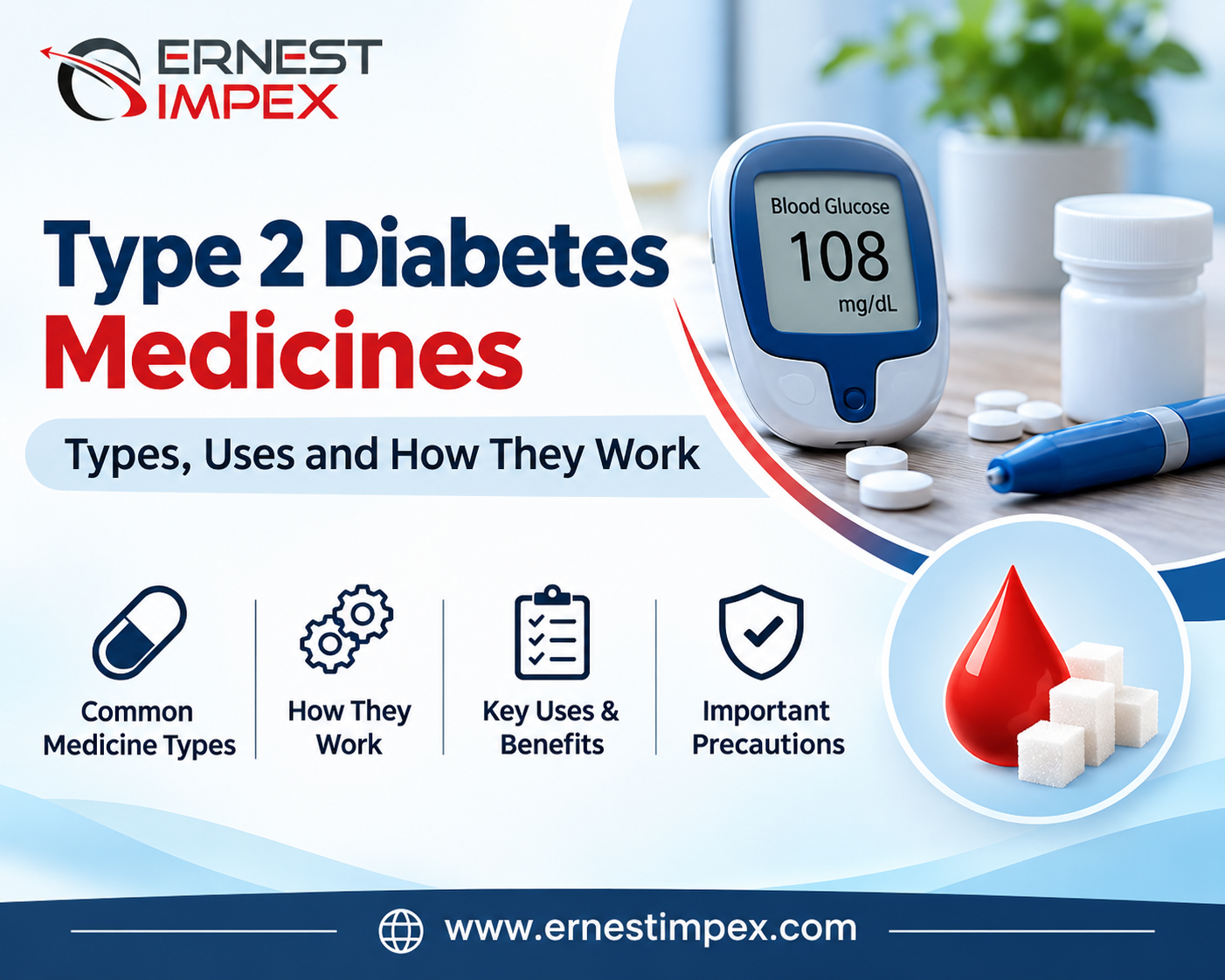
Type 2 diabetes is a long-term condition in which the body struggles to use insulin effectively or does not produce enough insulin to keep blood glucose levels healthy. While healthy eating, physical activity, and regular monitoring are important parts of diabetes care, many people also need medicines to manage their condition. Type 2 diabetes medicines work in different ways. Some help the body respond better to insulin, others increase insulin release, and some help the kidneys remove excess glucose. Certain medicines may also provide benefits for heart or kidney health in appropriately selected patients. Understanding these differences can make conversations with healthcare professionals easier. This article explains the main types of diabetes medicines, how they work, and the precautions patients should know.
What Are Type 2 Diabetes Medicines?
Type 2 diabetes medicines are prescribed treatments that help manage blood glucose levels. They may be taken as tablets, oral solutions, or injections. Different medicines target different processes that are involved in glucose regulation. Some act mainly on the liver, while others affect the pancreas, kidneys, digestive system, or the body's response to insulin. According to the National Institute of Diabetes and Digestive and Kidney Diseases (NIDDK), medicines may be used alongside nutrition, physical activity, and other parts of a diabetes management plan. The choice of medicine depends on individual health needs rather than a single treatment being suitable for everyone.
Common Types of Type 2 Diabetes Medicines
1. Metformin—A Biguanide Medicine
Metformin is a widely used medicine for type 2 diabetes. It mainly reduces glucose production in the liver and strengthens the body's response to insulin. Doctors may prescribe metformin alone or alongside another diabetes medicine, depending on the patient's circumstances. Common side effects include nausea, diarrhea, and abdominal discomfort. Kidney function is important when assessing whether metformin is appropriate. Long-term use may also contribute to vitamin B12 deficiency in some people. The NHS guide to metformin explains its uses, precautions, and common side effects.
2. SGLT2 Inhibitors—Helping the Kidneys Remove Glucose
Sodium-glucose cotransporter-2 (SGLT2) inhibitors lower blood glucose by reducing the amount of glucose reabsorbed by the kidneys. Examples include dapagliflozin and empagliflozin. These medicines increase the amount of glucose removed through urine. Certain SGLT2 inhibitors also have established benefits for selected patients with heart failure or chronic kidney disease. Possible adverse effects include genital fungal infections, dehydration, and, rarely, diabetic ketoacidosis. Patients should discuss illness-related precautions and other safety considerations with their healthcare professional.
3. DPP-4 Inhibitors — Supporting Natural Incretin Hormones
Dipeptidyl peptidase-4 (DPP-4) inhibitors help prolong the activity of natural hormones called incretins. These hormones support insulin release when glucose levels rise and help reduce excessive glucagon secretion. Examples include sitagliptin, linagliptin, and vildagliptin. DPP-4 inhibitors generally have a relatively low risk of causing hypoglycemia when used alone. However, individual precautions and potential adverse effects still need consideration. For readers interested in medicine formulations, Ernest Impex also maintains an antidiabetic medicines product category.
4. Sulfonylureas—Increasing Insulin Release
Sulfonylureas stimulate the pancreas to release more insulin. Common examples include glimepiride, gliclazide, and glipizide. These medicines can lower blood glucose effectively, but they may cause hypoglycemia, particularly when meals are missed or treatment is not appropriately matched to the patient's needs. Weight gain may also occur. Patients taking sulfonylureas should understand the symptoms of low blood glucose and follow their healthcare team's advice about monitoring and management.
5. GLP-1 Receptor Agonists—Acting on Blood Glucose and Appetite
Glucagon-like peptide-1 (GLP-1) receptor agonists imitate the activity of a natural hormone involved in glucose regulation. They help stimulate glucose-dependent insulin secretion, reduce inappropriate glucagon release, and may slow stomach emptying. Examples include semaglutide, liraglutide, and dulaglutide. Some medicines in this class also support weight reduction and have demonstrated cardiovascular benefits in particular patient groups. Common adverse effects include nausea, vomiting, and diarrhea. Other warnings and contraindications vary by product. The NICE guidance on type 2 diabetes medicines discusses how treatment choices can account for blood glucose control, cardiovascular health, kidney function, and other individual factors.
6. Thiazolidinediones—Improving Insulin Sensitivity
Pioglitazone belongs to a class called thiazolidinediones. It improves the body's sensitivity to insulin, helping glucose move from the bloodstream into tissues more effectively. Pioglitazone may be considered for selected patients, but it is not appropriate for everyone. Potential concerns include fluid retention, weight gain, and worsening heart failure in susceptible patients. Other safety considerations must also be reviewed before prescribing.
7. Alpha-Glucosidase Inhibitors—Slowing Carbohydrate Digestion
Medicines such as acarbose and voglibose act in the digestive system. They slow the breakdown or absorption of certain carbohydrates, helping reduce the rise in blood glucose after meals. Common side effects include bloating, gas, and abdominal discomfort. These medicines may be considered in specific treatment situations depending on local approvals and individual needs.
8. Insulin—When Additional Glucose Control Is Needed
Although type 2 diabetes is often treated initially with non-insulin medicines, some patients eventually require insulin. Insulin helps glucose enter cells and lowers blood glucose levels. A clinician may recommend insulin when blood glucose remains significantly elevated, during certain illnesses or medical situations, or when other treatments are insufficient or unsuitable. Insulin treatment requires individualized instructions and monitoring because it can cause hypoglycemia.
Type 2 Diabetes Medication Types at a Glance
| Medicine Class | How It Works | Examples |
|---|---|---|
| Biguanides | Reduce liver glucose production and improve insulin response | Metformin |
| SGLT2 inhibitors | Increase glucose removal through urine | Dapagliflozin, Empagliflozin |
| DPP-4 inhibitors | Prolong incretin hormone activity | Sitagliptin, Linagliptin |
| Sulfonylureas | Stimulate insulin release | Glimepiride, Gliclazide |
| GLP-1 receptor agonists | Support glucose-dependent insulin release and affect appetite | Semaglutide, Liraglutide |
| Thiazolidinediones | Improve insulin sensitivity | Pioglitazone |
| Alpha-glucosidase inhibitors | Slow carbohydrate digestion | Acarbose, Voglibose |
| Insulin | Replaces or supplements insulin activity | Various insulin formulations |
These examples are educational and do not represent a recommended treatment sequence.
How Do Doctors Choose Type 2 Diabetes Medicines?
There is no single medicine that is best for every person with type 2 diabetes. Healthcare professionals consider several factors when selecting treatment.
Blood Glucose and HbA1c Levels
HbA1c reflects average blood glucose over approximately the previous two to three months. Doctors use this information, together with other clinical findings, to assess whether treatment is meeting the patient's individual goals.
Heart and Kidney Health
Some diabetes medicines have benefits beyond lowering blood glucose. For people with certain cardiovascular or kidney conditions, these additional effects may influence treatment selection.
Weight and Other Health Conditions
A patient's weight, other medical conditions, and current medicines may affect which treatments are suitable.
Side Effects and Hypoglycemia Risk
The possibility of low blood glucose, digestive symptoms, dehydration, and other adverse effects must be considered.
Treatment Preferences and Practical Needs
Cost, access, tablet or injection preferences, and the complexity of the treatment plan may also influence decisions. The American Diabetes Association's 2026 Standards of Care emphasize individualizing glucose-lowering treatment according to clinical needs, treatment goals, and associated health conditions.
Can More Than One Diabetes Medicine Be Prescribed?
Yes. Some people require combination treatment because different medicine classes act through different mechanisms. For example, a clinician may prescribe metformin with another oral medicine when additional glucose control is needed. Combination treatment should be selected carefully because some medicines have overlapping actions, while others can increase the risk of adverse effects. Patients should never combine diabetes medicines or change prescribed doses without medical guidance. For a separate view of pharmaceutical formulations and supply categories, readers may refer to Ernest Impex oral antidiabetic product range.
Common Side Effects and Safety Precautions
Different diabetes medicines have different safety profiles.
Some important considerations include:
Low blood glucose: More commonly associated with insulin and sulfonylureas.
Digestive discomfort: May occur with metformin and GLP-1 receptor agonists.
Dehydration and genital infections: Possible with SGLT2 inhibitors.
Fluid retention: An important concern with pioglitazone.
Kidney function: May affect the suitability or use of several medicines.
If you have unusual or persistent symptoms, talk to a healthcare professional. Severe symptoms, such as confusion, loss of consciousness, or signs of diabetic ketoacidosis, require urgent medical attention.
Why Lifestyle Management Still Matters
Medicines are only one part of type 2 diabetes care. Healthy eating, regular physical activity, adequate sleep, and routine monitoring can help support overall health. People with diabetes may also need periodic assessments of blood pressure, cholesterol, kidney function, foot health, and eye health. Lifestyle changes do not replace prescribed treatment, and patients should not stop their medicines because their glucose readings have improved without discussing the change with their clinician.
Understanding Diabetes Medicines and Pharmaceutical Information
People researching diabetes medicines may encounter both generic and branded product names. A generic name identifies the active ingredient, while a brand name identifies a marketed product. Different products can vary in strength, release characteristics, packaging, and regulatory approval. For pharmaceutical buyers and healthcare procurement teams, accurate product identification is important when reviewing medicine information. Ernest Impex provides pharmaceutical product and sourcing information for eligible business inquiries. Medicine selection and prescribing decisions should remain with qualified healthcare professionals.
Frequently Asked Questions
1. What are the main types of medicines used for type 2 diabetes?
Common categories include metformin, SGLT2 inhibitors, DPP-4 inhibitors, sulfonylureas, GLP-1 receptor agonists, thiazolidinediones, alpha-glucosidase inhibitors, and insulin.
2. Is metformin always the first medicine prescribed for type 2 diabetes?
Not necessarily. Treatment recommendations vary according to the patient's health conditions and applicable clinical guidance. Some current guidelines recommend combinations or prioritize medicines with heart and kidney benefits for particular patients.
3. Can type 2 diabetes be managed without medicine?
Some people may initially manage their blood glucose through lifestyle changes, but many require medicines. The appropriate approach depends on individual medical assessment.
4. Which type 2 diabetes medicines can cause low blood sugar?
Insulin and sulfonylureas are among the medicines more commonly associated with hypoglycemia. Risk also depends on other medicines, food intake, activity, and individual circumstances.
5. Are all diabetes medicines taken as tablets?
No. Many medicines are taken orally, while others, including insulin and several GLP-1 receptor agonists, are administered by injection.
6. Can diabetes medicines help with weight management?
Some medicine classes, including certain GLP-1 receptor agonists and SGLT2 inhibitors, may contribute to weight reduction. Their suitability depends on the approved indication and individual medical needs.
7. Can a person take two diabetes medicines together?
Yes, combination treatment is common when clinically appropriate. However, medicine combinations should be prescribed and reviewed by a healthcare professional.
8. Can patients stop diabetes medicines when their blood sugar becomes normal?
They should not stop or change prescribed medicines independently. Improved readings may reflect the effectiveness of the current treatment plan, and any adjustment requires medical review.
Conclusion
Type 2 diabetes medicines help manage blood glucose through several different mechanisms. Metformin, SGLT2 inhibitors, DPP-4 inhibitors, sulfonylureas, GLP-1 receptor agonists, and other treatments each have distinct uses and precautions. The most suitable treatment depends on the person's overall health, blood glucose goals, other medical conditions, and risk of side effects. Understanding how these medicines work can help patients ask informed questions and participate in treatment decisions with their healthcare team.
Keywords