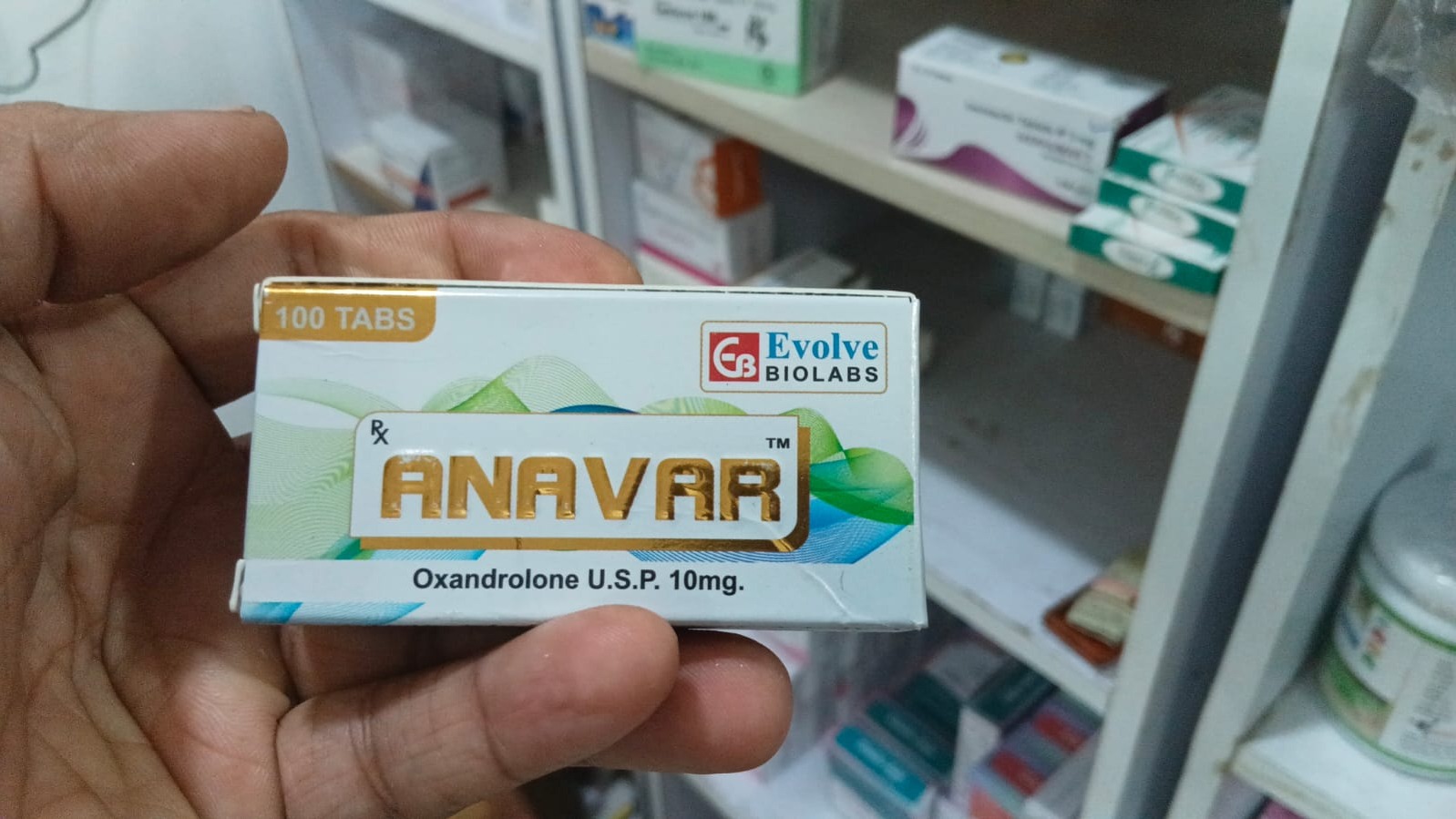
Oxandrolone, commonly associated with the brand name Anavar, is a synthetic anabolic steroid that has been used in specific medical situations involving significant weight loss, muscle tissue loss and recovery from certain serious health conditions. Although it has legitimate medical applications, oxandrolone also carries important risks that make professional medical assessment and monitoring essential.
For patients and healthcare buyers in Jamaica, understanding the difference between medically supervised treatment and non-medical steroid use is particularly important. Oxandrolone should never be viewed as an ordinary nutritional supplement or a general solution for improving physical performance.
What Is Oxandrolone and How Does It Work?
Oxandrolone is a synthetic derivative of testosterone. It has anabolic properties, meaning it can promote protein synthesis and support the development or maintenance of body tissue.
Historically, healthcare professionals have used oxandrolone in selected circumstances, including recovery from severe weight loss associated with certain illnesses, injuries or surgeries. It has also been used in particular conditions involving protein breakdown.
However, its clinical role is limited, and prescribing practices depend on current medical evidence, product approval status and individual patient circumstances.
Medical Uses of Oxandrolone
Oxandrolone has been used for several medical purposes:
Supporting weight recovery following substantial illness-related tissue loss.
Helping reduce protein breakdown in selected medical conditions.
Supporting recovery in certain patients experiencing severe catabolic stress.
Managing particular conditions where a specialist determines that anabolic treatment may offer benefits.
These applications require careful assessment. A healthcare professional must consider whether the expected benefit outweighs the potential complications.
Oxandrolone is not a standard first-line treatment for ordinary weight loss, general weakness or routine muscle development.
Potential Side Effects and Health Risks
Oxandrolone can affect several organs and body systems. Some complications may develop gradually, making medical monitoring important even when a patient initially feels well.
Possible adverse effects include:
Changes in cholesterol levels, including reduced HDL cholesterol.
Liver abnormalities and potentially serious liver injury.
Hormonal suppression and reproductive health problems.
Acne and changes in skin condition.
Fluid retention in susceptible individuals.
Masculinising effects in women, some of which may be irreversible.
People with existing liver disease, certain cancers or other contraindications may face additional risks.
Why Medical Monitoring Matters
A clinician may review liver function, lipid levels, blood counts and relevant hormonal indicators before and during treatment. The exact monitoring plan depends on the patient's condition and clinical history.
Patients should also disclose other medicines, supplements and hormonal products they use. Combining substances without proper assessment can increase the possibility of harmful interactions.
Pregnancy is an especially important consideration because oxandrolone can harm fetal development.
What Should Patients in Jamaica Consider?
Patients in Jamaica should verify whether a particular oxandrolone product is legally authorised for supply and whether a valid prescription is required. Medicine registration and distribution requirements should be confirmed through the relevant Jamaican regulatory framework.
ERNEST IMPEX operates in the pharmaceutical supply sector, where product identification, documentation and appropriate distribution practices are important considerations.
Understanding oxandrolone's medical purpose, limitations and potential adverse effects helps patients and healthcare buyers distinguish legitimate therapeutic use from unsafe or unsupported claims.
The most important principle is that anabolic steroid treatment should be based on a documented medical need rather than expectations of rapid physical improvement.
Keywords