Vitiligo is a skin condition in which pigment-producing cells are lost or stop functioning in affected areas. This leads to patches of skin that appear lighter than the surrounding skin.
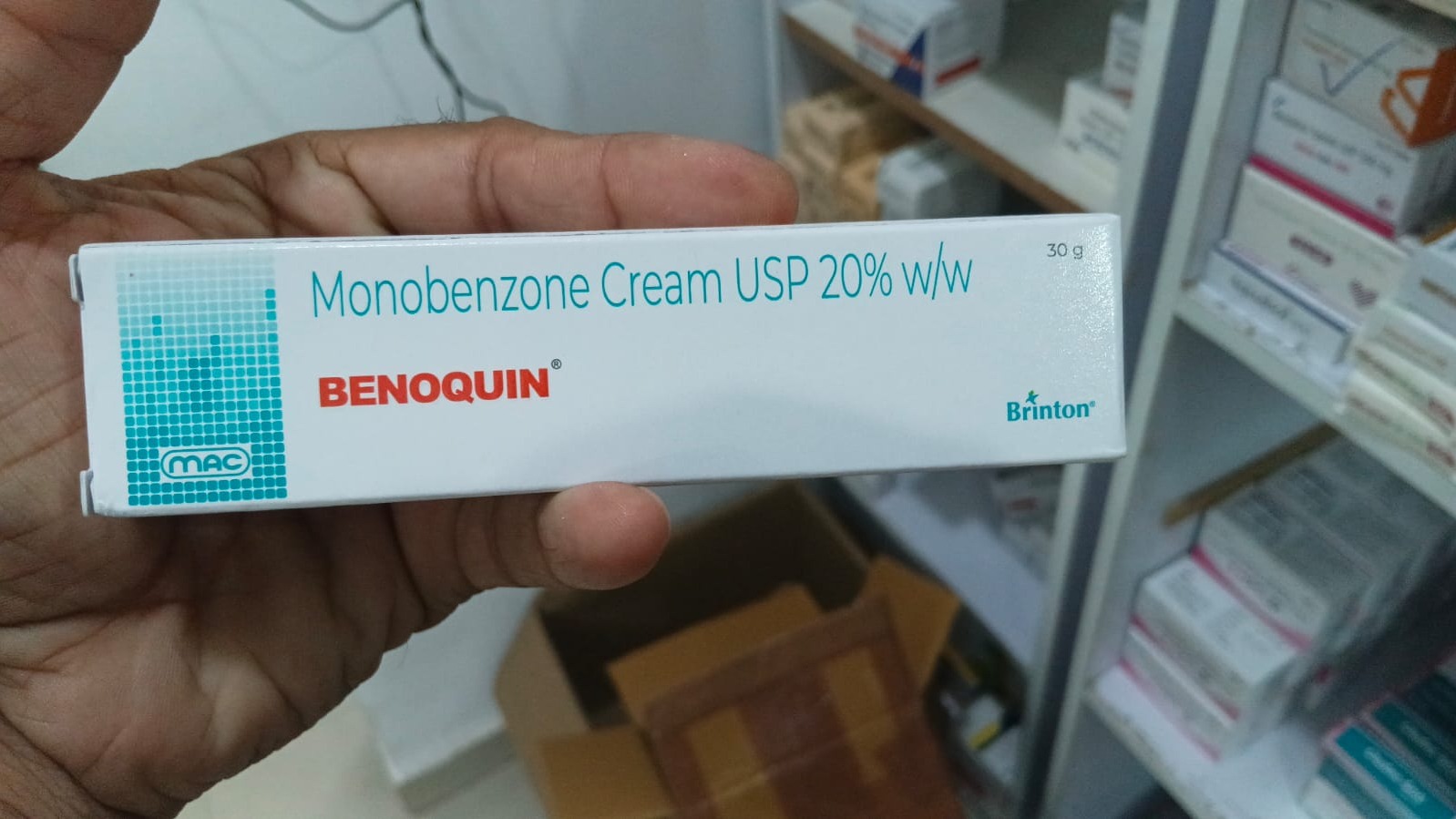
For individuals with extensive vitiligo, the contrast between affected and unaffected areas can become a significant cosmetic concern. In selected cases, dermatologists may consider depigmentation treatment using monobenzone, an ingredient associated with products such as Benoquin.
Unlike treatments intended to restore pigmentation, monobenzone is used to reduce the colour of remaining normally pigmented skin.
What Is Monobenzone?
Monobenzone is a topical depigmenting agent that acts on the skin's pigment-producing system.
Its purpose is different from that of conventional skin-lightening cosmetics. It can cause substantial and often permanent pigment loss, making it unsuitable for routine cosmetic whitening.
Dermatologists generally reserve monobenzone for carefully selected patients with extensive vitiligo who are seeking a more uniform skin appearance.
Because the results may be irreversible, the decision requires detailed counselling.
How Does Depigmentation Treatment Work?
Melanin is the natural pigment responsible for much of the colour of human skin. It is produced by specialised cells called melanocytes.
Monobenzone can damage or eliminate functioning melanocytes, resulting in progressive loss of pigmentation.
The process usually develops over time rather than producing an immediate change. The degree of response can vary, and depigmentation may not occur evenly.
Pigment loss can also develop beyond the areas where the medicine is applied.
This possibility makes careful medical supervision particularly important.
Who May Be Considered for Treatment?
Monobenzone is generally considered only in specific circumstances, such as when vitiligo affects a very large proportion of the body and restoring pigmentation is impractical or unsuccessful.
Before recommending depigmentation, a dermatologist may consider:
The overall extent and stability of vitiligo.
Previous treatment history.
The patient's expectations regarding skin appearance.
The emotional implications of permanent pigment loss.
The ability to maintain long-term sun protection.
Not every person with extensive vitiligo is an appropriate candidate.
What Are the Possible Side Effects?
Monobenzone may cause irritation, redness, dryness, itching or contact dermatitis.
More importantly, the resulting pigment loss can be permanent. Depigmented skin has reduced natural protection against ultraviolet radiation, making sun safety a continuing priority.
Patients may need to adopt consistent protective habits, including suitable clothing, shade and broad-spectrum sunscreen.
The appearance of treated skin may also change unevenly, requiring further dermatological assessment.
Why Is Dermatological Guidance Essential in Jamaica?
Jamaica's tropical climate and strong sunlight make sun protection particularly relevant for people undergoing depigmentation treatment.
Patients should understand that monobenzone is not intended for ordinary dark spots, melasma, acne marks or general complexion enhancement.
ERNEST IMPEX operates within the pharmaceutical supply industry, where accurate product identification and responsible distribution are important for specialised dermatological medicines.
Healthcare buyers should verify the authorisation and intended medical use of monobenzone products before considering procurement.
For people with extensive vitiligo, the decision to pursue depigmentation should reflect informed personal preferences, realistic expectations and a clear understanding of the permanent changes involved.
Keywords