Intestinal worm infections can affect children and adults, sometimes causing abdominal discomfort, digestive disturbances and nutritional problems. Certain infections may produce few noticeable symptoms, making appropriate diagnosis important when exposure is suspected.
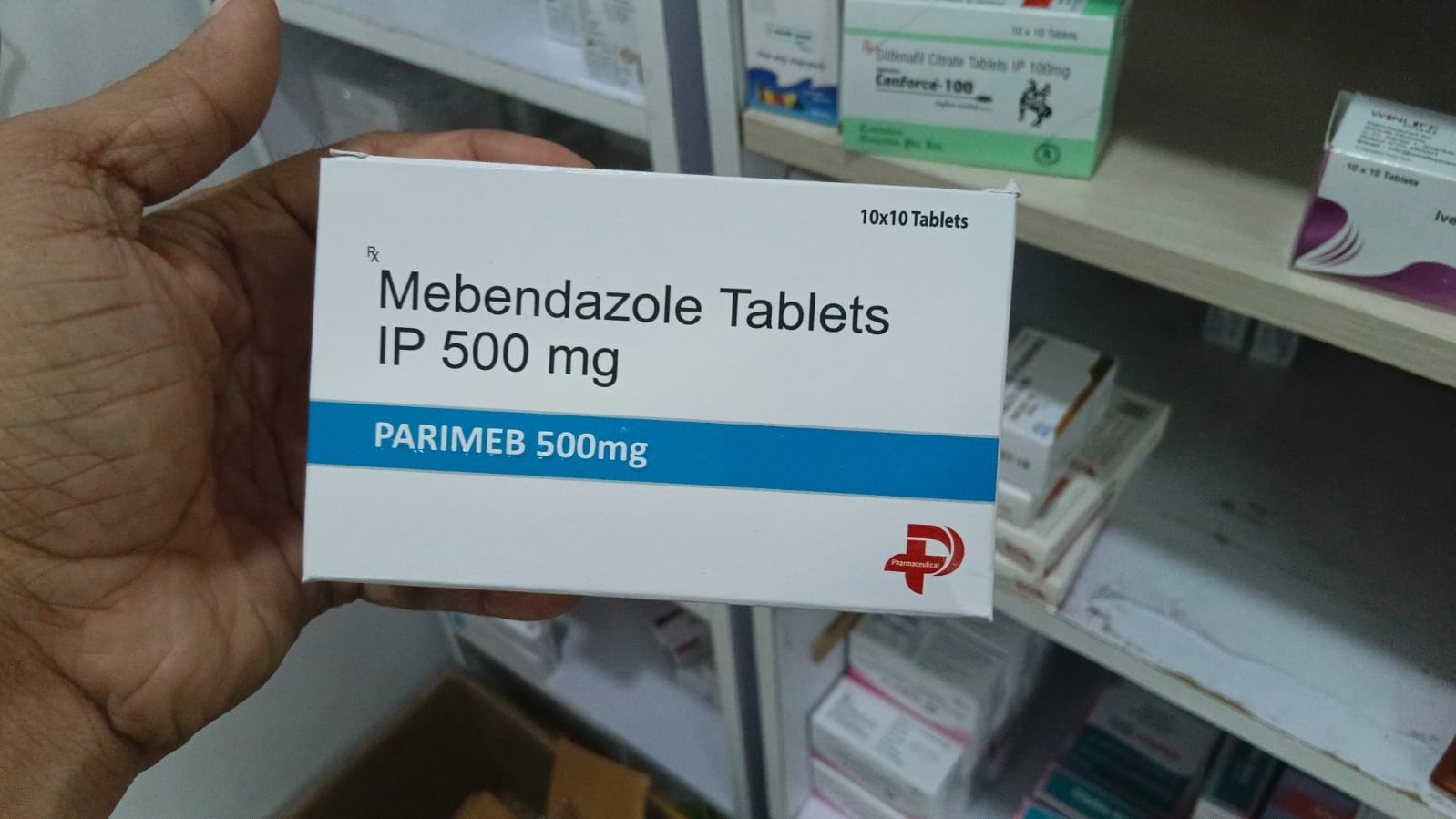
Mebendazole, associated with product names such as Parimeb, is an antiparasitic medicine used to treat specific intestinal worm infections.
Understanding how it works helps patients distinguish appropriate treatment from unnecessary or repeated use of deworming medicines.
What Types of Worm Infections Can Mebendazole Treat?
Mebendazole is active against several intestinal helminths, particularly certain roundworm species.
Depending on the product's approved indications, it may be used for infections involving:
Pinworms, also called threadworms.
Roundworms such as Ascaris.
Whipworms.
Certain hookworm infections.
These parasites differ in how they spread, the symptoms they cause and the treatment approaches that may be required.
Not every intestinal parasite responds to mebendazole. Protozoal infections, for example, generally require different treatment.
Accurate identification is therefore valuable when symptoms persist or the diagnosis is uncertain.
How Does Mebendazole Work?
Mebendazole interferes with essential cellular processes inside susceptible worms.
It disrupts the formation of microtubules, structures that help parasite cells maintain normal function and absorb nutrients.
This interferes with the worms' ability to utilise glucose and maintain energy production.
As their energy reserves become depleted, susceptible parasites lose their ability to survive.
The medicine acts primarily within the gastrointestinal tract, although some absorption into the bloodstream can occur.
What Symptoms May Suggest an Intestinal Worm Infection?
Symptoms depend on the parasite involved and the severity of infection.
Common complaints may include abdominal discomfort, nausea, altered bowel habits and reduced appetite.
Pinworm infections frequently cause itching around the anus, particularly at night.
Some hookworm infections can contribute to iron deficiency anaemia, while heavier infections involving other intestinal worms may affect nutritional status.
However, digestive symptoms alone cannot confirm a worm infection.
Healthcare professionals may recommend stool examinations or other tests depending on the suspected parasite.
How Can Reinfection Be Prevented?
Successful treatment involves more than taking an antiparasitic medicine.
Prevention measures may include:
Washing hands thoroughly after using the toilet.
Maintaining short, clean fingernails.
Washing fruits and vegetables before consumption.
Using safe drinking water.
Wearing footwear where soil contamination is a concern.
Cleaning bedding and frequently touched surfaces when managing pinworm infections.
In some situations, household contacts may also require assessment or treatment.
The appropriate approach depends on the type of infection.
Are There Side Effects or Precautions?
Mebendazole may cause abdominal discomfort, diarrhoea or nausea.
Rare but serious reactions, including blood disorders, liver abnormalities or severe skin reactions, have been reported.
Pregnancy, young age, prolonged treatment and interactions with other medicines require particular attention.
Patients should follow the instructions associated with the authorised product and the diagnosed infection.
Intestinal Parasite Awareness in Jamaica
In Jamaica, as in other Caribbean settings, food hygiene, sanitation and safe water practices remain important elements of preventing intestinal infections.
ERNEST IMPEX operates in the pharmaceutical supply sector, where medicine quality, documentation and appropriate distribution are relevant to antiparasitic products.
Healthcare buyers should confirm the active ingredient, approved indication, formulation and regulatory status before procurement.
Mebendazole can be effective against susceptible intestinal worms, but identifying the likely parasite and addressing reinfection risks are essential parts of responsible treatment.
Keywords