
Difficulty conceiving can have several causes, including irregular ovulation, hormonal imbalances, sperm-related factors and reproductive tract conditions. When ovulation is absent or unpredictable, fertility specialists may consider medicines that encourage the ovaries to release an egg.
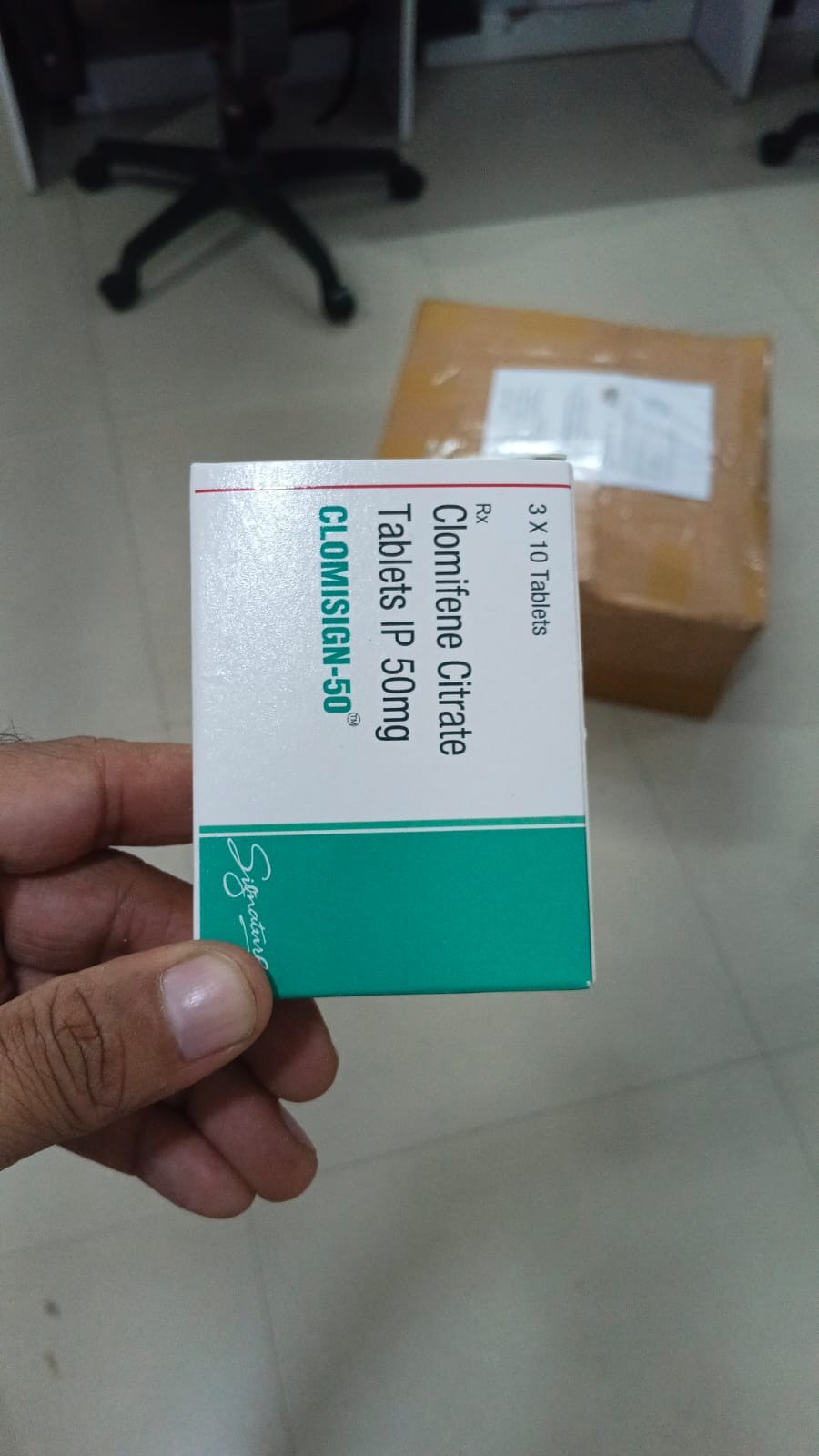
Clomifene, also known as clomiphene and associated with products such as Clomisign-50, is one medicine used for ovulation induction in selected patients.
Understanding its mechanism and limitations helps patients make informed decisions about fertility treatment.
What Is Clomifene?
Clomifene is a selective estrogen receptor modulator. It influences the hormonal signals involved in regulating ovulation.
The medicine acts primarily by altering estrogen feedback at the hypothalamus, a region of the brain involved in reproductive hormone regulation.
This can encourage the release of hormones that stimulate ovarian follicle development.
In suitable patients, the process may help trigger ovulation.
However, successful ovulation does not guarantee pregnancy because conception depends on several additional reproductive factors.
When May Clomifene Be Recommended?
A fertility specialist may consider clomifene for women experiencing anovulation or irregular ovulation.
It has historically been used in certain patients with polycystic ovary syndrome, although current guidance often favours letrozole as first-line ovulation induction treatment for suitable patients with PCOS.
Clomifene may still have a role depending on individual circumstances, medicine availability and clinical assessment.
Before treatment, clinicians may investigate menstrual history, ovarian function, thyroid disorders and other possible causes of infertility.
A semen analysis and assessment of fallopian tube factors may also be appropriate.
How Is Treatment Monitored?
Clomifene treatment should follow an individualised medical plan rather than a self-selected schedule.
A specialist may use ultrasound examinations or hormonal testing to assess ovarian response.
Monitoring helps identify whether ovulation is occurring and whether the ovaries are responding excessively.
It also supports decisions about continuing treatment or considering alternative approaches.
Potential Side Effects and Precautions
Commonly reported adverse effects include:
Hot flushes.
Headaches.
Abdominal discomfort or bloating.
Nausea.
Breast tenderness.
Mood changes.
Visual disturbances require prompt medical attention and may necessitate stopping treatment.
Clomifene can also increase the likelihood of multiple pregnancy. Ovarian enlargement and other complications are additional considerations.
The medicine should not be used during pregnancy or in patients with certain contraindications, including some liver conditions.
Fertility Treatment Considerations in Jamaica
Couples in Jamaica considering fertility treatment benefit from understanding that ovulation induction is only one part of reproductive care.
A complete fertility assessment can identify whether clomifene is appropriate or whether another treatment pathway may be more suitable.
ERNEST IMPEX is involved in the pharmaceutical supply sector, where accurate product documentation and appropriate distribution are important considerations for prescription fertility medicines.
Patients and healthcare buyers should confirm that any clomifene product is authorised for the intended market and supplied through legitimate channels.
Fertility treatment decisions should be based on diagnosis, clinical monitoring and realistic expectations rather than assumptions that one medicine works for every cause of infertility.
Keywords