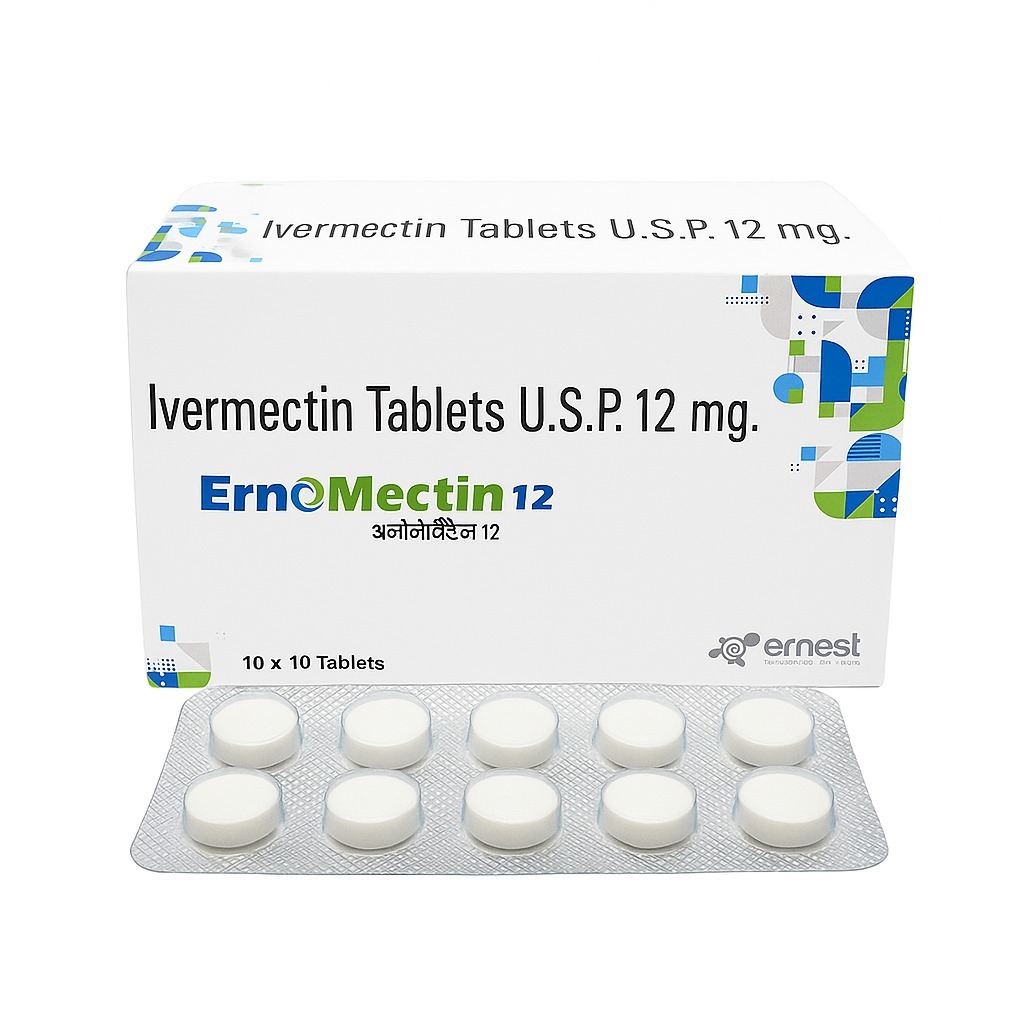
Ivermectin and mebendazole for glioblastoma
repurposed drugs for glioblastoma, mebendazole cancer research, ivermectin cancer evidence, glioblastoma standard treatment, antiparasitic drugs cancer research, glioblastoma clinical trials, brain cancer treatment research, oncology medicine supplierOncology Research & Patient Awareness
Ivermectin and Mebendazole for Glioblastoma: What Does the Evidence Actually Show?
Online testimonials have described cancer patients using antiparasitic medicines such as ivermectin and mebendazole alongside—or sometimes instead of—conventional treatment. One widely circulated account involves an 80-year-old man from New York who reportedly used these medicines after being diagnosed with glioblastoma.
Stories like this understandably attract attention. Glioblastoma is an aggressive brain tumour with a difficult prognosis, and patients and families often search urgently for additional options.
However, a personal testimonial cannot establish that a medicine caused tumour shrinkage, extended survival or produced a cure. To understand the potential role of ivermectin and mebendazole in glioblastoma, it is important to separate anecdotes, laboratory findings, observational reports and controlled clinical evidence.
What Is Glioblastoma?
Glioblastoma is a rapidly growing primary brain cancer. Its cells can spread into surrounding brain tissue, making complete surgical removal difficult.
Treatment decisions depend on the tumour’s location, the patient’s age and functional status, molecular findings and whether the disease is newly diagnosed or recurrent.
According to the US National Cancer Institute, standard treatment for newly diagnosed glioblastoma generally includes:
- Surgical removal of as much of the tumour as safely possible
- Radiation therapy
- Temozolomide chemotherapy given during radiation
- Additional cycles of temozolomide after radiation
Tumour Treating Fields may also be considered for selected patients. Clinical trials can provide access to investigational treatments under controlled medical supervision.
Why Are Antiparasitic Medicines Being Studied?
Drug repurposing investigates whether an existing medicine used for one condition could have value in another disease.
Because an existing drug already has information about manufacturing, pharmacology and recognised side effects, researchers may be able to study it more efficiently than an entirely new compound. However, an established safety profile for treating parasites does not automatically prove safety or effectiveness at the higher doses or longer durations sometimes proposed for cancer.
Mebendazole and Glioblastoma Research
Mebendazole is an anthelmintic medicine approved for certain intestinal worm infections. Laboratory studies have found that it may affect cellular microtubules, tumour-cell division and other biological pathways.
Early animal research reported longer survival in mouse models of glioblastoma. This finding helped justify human investigation, but results in mice cannot be directly applied to patients.
Early-phase human studies have primarily examined safety, tolerability and dosing. One phase I study combined mebendazole with temozolomide in patients with newly diagnosed high-grade glioma. Researchers reported acceptable toxicity at the studied doses but concluded that further research was required to determine effectiveness.
A systematic review found that mebendazole was generally tolerable in early clinical research, but evidence of meaningful clinical efficacy remained modest and inconsistent.
Therefore, mebendazole should currently be viewed as an investigational repurposed drug—not an established glioblastoma treatment.
What Does the Evidence Show for Ivermectin?
Ivermectin is an antiparasitic medicine used for specific parasitic infections. Researchers have studied its potential effects on cancer cells through several biological mechanisms.
Some studies have reported activity against glioma cells in laboratory cultures and animal models. These findings are scientifically interesting and may support further research. However, laboratory activity does not demonstrate that ivermectin safely treats glioblastoma in humans.
At present, robust randomised clinical trials have not established ivermectin as an effective glioblastoma treatment. It should not be promoted as a proven cancer medicine or used to replace surgery, radiation, chemotherapy or other oncology care.
Why Testimonials Cannot Prove a Treatment Works
A testimonial usually does not provide enough verified information to determine why a patient improved, remained stable or experienced disease progression.
Important missing factors may include:
- Whether surgery removed most of the tumour
- Radiation and chemotherapy received
- Tumour molecular characteristics
- Other medicines taken simultaneously
- Timing and interpretation of MRI results
- Natural variation in disease progression
- Duration of follow-up
- Whether the original diagnosis was independently verified
If a patient receives surgery, radiation, temozolomide and an unproven drug simultaneously, an improvement cannot automatically be attributed to the unproven medicine.
Testimonials may generate research questions, but they cannot replace controlled trials.
Understanding Observational Studies
A 2026 prospective observational cohort reported real-world outcomes among cancer patients prescribed ivermectin and mebendazole. Observational research can identify safety signals and possible associations, but it has important limitations.
Participants are not necessarily randomly assigned, and patients choosing an experimental protocol may differ from other patients in health, treatment access, cancer type or concurrent therapy. Patient-reported outcomes and the absence of a suitable control group can also make cause-and-effect conclusions unreliable.
A controlled clinical trial is still needed to determine whether a treatment improves outcomes compared with standard care or an appropriate control.
Potential Safety Concerns
Using antiparasitic medicines at non-standard doses or for long periods may cause adverse effects. Potential concerns include:
- Liver injury
- Gastrointestinal symptoms
- Neurological effects
- Blood-count abnormalities
- Interactions with chemotherapy
- Interactions with anticoagulants or other medicines
- Delays in receiving evidence-based cancer treatment
A dose used in a laboratory experiment, animal model or online protocol should never be converted into a personal treatment dose without specialist oversight.
Questions Patients Should Ask Their Oncologist
Patients interested in repurposed medicines can ask:
- Is there a registered clinical trial suitable for my condition?
- What evidence exists in humans?
- Could this medicine interact with temozolomide, steroids or seizure medicines?
- What liver and blood monitoring would be required?
- Could it interfere with surgery or radiation?
- What are the known and unknown risks?
- Would participation affect eligibility for another clinical trial?
A neuro-oncologist can help distinguish an investigational option from an unsupported protocol.
Frequently Asked Questions
1. Is ivermectin approved to treat glioblastoma?
No. Ivermectin is not an established or approved treatment for glioblastoma.
2. Is mebendazole proven to cure brain cancer?
No. Early studies have explored safety and biological activity, but a cure or survival benefit has not been established.
3. Can laboratory results predict what happens in patients?
Not reliably. Many substances affect cancer cells in laboratories but do not become safe or effective human treatments.
4. Can these medicines be added to chemotherapy independently?
No. Potential interactions and toxicity must be reviewed by the treating oncology team.
5. Does a positive testimonial count as medical evidence?
It can suggest a question worth studying, but it cannot prove effectiveness.
6. What is the standard treatment for newly diagnosed glioblastoma?
It commonly includes maximal safe surgery followed by radiation and temozolomide, with further temozolomide treatment.
7. Are clinical trials available for glioblastoma?
Yes. Trials investigate drug combinations, radiation strategies, immunotherapies, targeted treatments and medical devices.
8. Is mebendazole being studied in humans?
Yes. Early-phase trials have studied its safety and tolerability, but efficacy remains unconfirmed.
9. What should patients do before trying a repurposed drug?
Discuss the evidence, interactions, monitoring requirements and clinical-trial options with a neuro-oncologist.
10. Should standard treatment be stopped to try these medicines?
No. Patients should not stop or delay prescribed cancer treatment based on testimonials or online protocols.
Responsible Global Oncology Supply
Ernest Pharmaceutical Pvt. Ltd. supports licensed pharmaceutical importers, distributors, hospitals, pharmacies and institutional buyers with legitimate oncology and hospital-medicine procurement.
Products are supplied only for their approved or legally authorised purposes and according to prescriptions, regulatory documentation, destination-country registration and applicable import requirements. Ernest Pharmaceutical does not promote ivermectin or mebendazole as treatments for glioblastoma.
Send Your Medicine Requirement Today
Contact Ernest Pharmaceutical Pvt. Ltd. for regulated oncology and hospital pharmaceutical procurement.
Pharmaceutical Exporter | Bulk Medicine Supplier | Worldwide Distribution
Medical disclaimer: This article is for general education and B2B healthcare information. Ivermectin and mebendazole have not been established as cures for glioblastoma. Patients should never begin, stop or modify cancer treatment without consulting their neuro-oncology team.