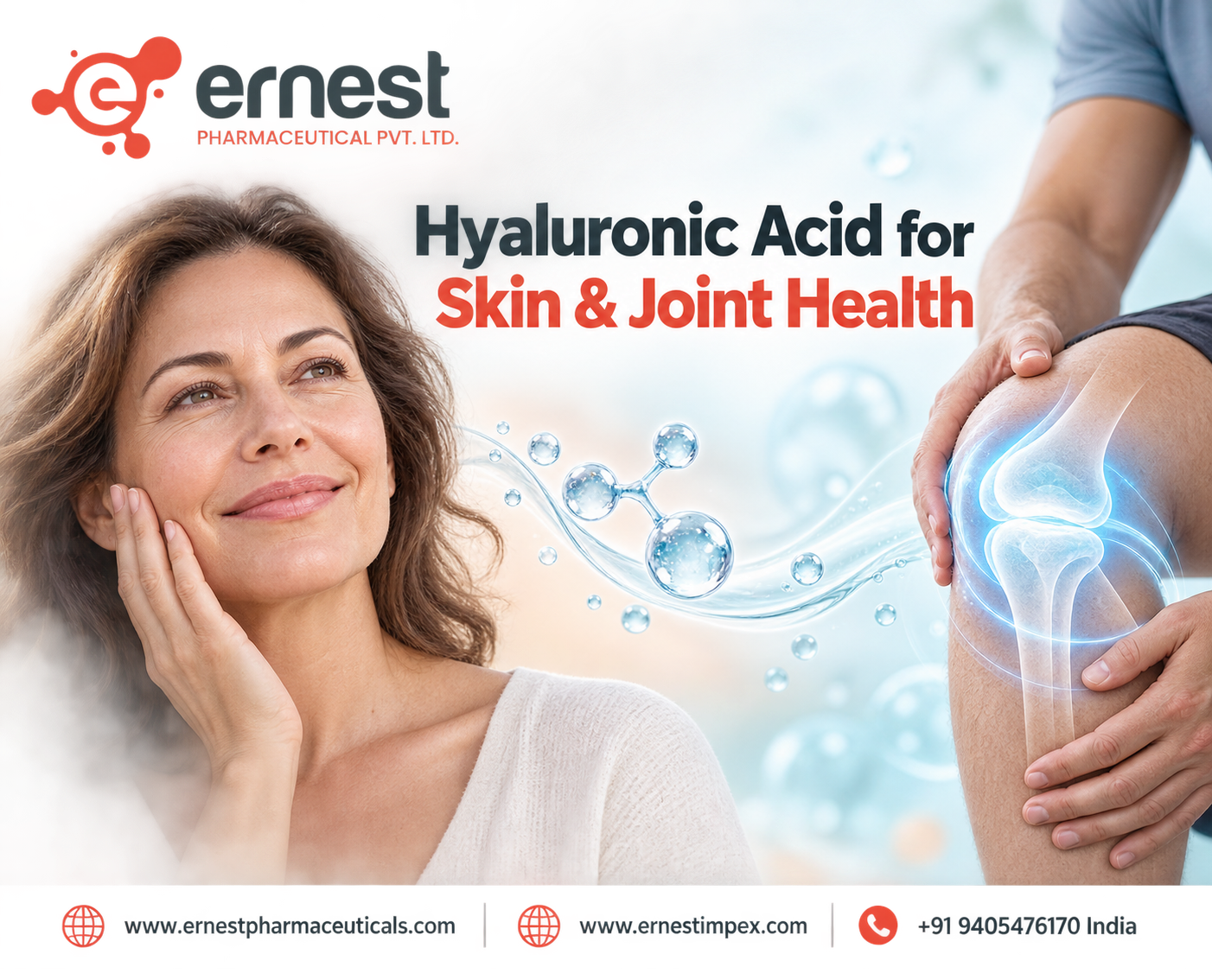
Hyaluronic acid for skin and joints
Hyaluronic Acid for Skin and Joints: Benefits, Uses and Safety
Hyaluronic acid appears in everything from facial serums and oral supplements to eye drops and medical injections. It is often advertised as a simple solution for smoother skin and more flexible joints. But what does it actually do, and how much of the marketing is supported by research?
Hyaluronic acid is not an artificial anti-aging ingredient. It is a substance naturally present throughout the body, particularly in the skin, eyes, joints and connective tissues. Its ability to attract and retain water helps tissues remain hydrated, cushioned and properly lubricated.
Natural changes associated with aging may affect the amount and distribution of hyaluronic acid in the body. However, using a hyaluronic acid product cannot stop aging. Its possible benefits depend on the formulation, method of use and individual health needs.
What Is Hyaluronic Acid?
Hyaluronic acid, also known as hyaluronan, is a type of complex carbohydrate naturally found in the spaces around cells. It forms part of the extracellular matrix—the supportive environment surrounding cells and tissues.
One of its most important characteristics is its ability to bind water. This makes it useful in tissues that require moisture, cushioning or smooth movement. In the skin, it helps maintain hydration. In joints, it contributes to the properties of synovial fluid, which lubricates the surfaces between bones.
Hyaluronic acid is also involved in tissue repair and wound-healing processes. Its function can vary depending on its molecular size, location and interaction with other substances in the body.
How Hyaluronic Acid Supports the Skin
The skin contains a significant amount of the body’s hyaluronic acid. It helps hold water within the extracellular space, contributing to softness and a fuller appearance.
Environmental exposure, ultraviolet radiation and normal biological aging can influence skin structure and moisture retention. As the skin becomes drier, fine lines may appear more noticeable.
Topical hyaluronic acid for skin hydration works mainly as a humectant. This means it attracts water and helps reduce the feeling of dryness. A serum may temporarily make the skin appear smoother and more hydrated, but it does not permanently remove wrinkles.
For better results, apply a hyaluronic acid serum to slightly damp skin and follow it with a suitable moisturiser. Applying it without a moisturising layer may not provide enough protection against water loss, especially in a dry climate.
Research on oral hyaluronic acid is developing. A systematic review and meta-analysis reported improvements in skin hydration, elasticity and wrinkle depth, but the included studies differed in their formulations, doses and duration. More large, independent trials are still needed.
Can Hyaluronic Acid Support Joint Comfort?
Hyaluronic acid is naturally present in synovial fluid, which helps joints move smoothly. This biological role has led to its use in certain products intended for people with joint discomfort.
Some small clinical trials suggest that an oral hyaluronic acid supplement may provide modest symptom relief in people with mild knee osteoarthritis. However, results are not consistent enough to consider it a cure or a replacement for established treatment.
Hyaluronic acid can also be injected directly into a joint by a qualified healthcare professional. These injections are different from oral supplements. Evidence regarding their benefits for knee osteoarthritis is mixed, and clinical recommendations vary. A person should discuss expected benefits, costs, risks and alternative treatments with an orthopaedic specialist or rheumatologist.
Regular movement, muscle-strengthening exercise, weight management where appropriate and medical treatment remain important parts of joint care.
Topical, Oral and Injectable Forms
Hyaluronic acid products should not be treated as interchangeable.
Topical products
Serums, creams and gels act mainly on the skin’s surface. They are commonly used to improve moisture and support the skin barrier. People with sensitive skin should select fragrance-free products and patch-test them before wider use.
Oral supplements
Capsules, tablets and liquid products are marketed for healthy skin and joints. Some trials have reported encouraging results, but responses vary. There is no universally suitable dosage for every purpose or individual.
Claims that a liposomal formula is automatically absorbed better or produces stronger clinical benefits should be viewed carefully unless the specific product is supported by reliable human studies.
Injectable products
Dermal fillers and joint injections are medical procedures. They should only be administered by appropriately trained and licensed professionals. The FDA advises consumers not to purchase fillers for self-injection because unapproved products may be contaminated or cause serious injury.
Possible Side Effects and Precautions
Topical hyaluronic acid is generally well tolerated, although irritation may result from fragrances, preservatives or other ingredients in the formulation.
Oral supplements may occasionally cause digestive discomfort or an allergic reaction. Anyone who is pregnant, breastfeeding, receiving cancer treatment, preparing for surgery or taking regular medication should consult a healthcare professional before starting a supplement.
Injection-related risks can include pain, swelling, bruising and infection. Dermal fillers can rarely enter a blood vessel and cause tissue damage, visual complications or other serious problems. Professional evaluation and proper technique are therefore essential.
Consumers should also purchase supplements from reliable sources. In 2026, the FDA warned against certain products labelled as hyaluronic acid supplements after laboratory testing identified undeclared prescription drug ingredients.
How to Choose a Hyaluronic Acid Product
Before buying a product, consider:
- Its intended use: topical skincare, oral supplementation or medical treatment
- A complete ingredient list and clearly stated amount per serving
- Manufacturing standards and independent quality testing
- Realistic claims rather than promises to reverse aging or cure arthritis
- Allergens and additional active ingredients
- Advice from a dermatologist or doctor when symptoms are persistent
For skincare, sunscreen, gentle cleansing and regular moisturising remain more important than relying on one trendy ingredient. For joint health, exercise, strength, nutrition and an accurate diagnosis should form the foundation of care.
The Bottom Line
Hyaluronic acid for skin and joints has a sound biological basis and several useful applications. Topical products may improve surface hydration, while some oral preparations may provide modest skin or joint benefits. Injectable treatments may be appropriate in selected cases under professional supervision.
It should not be presented as a way to restore youth or reverse aging. The most dependable results come from choosing an appropriate formulation, maintaining realistic expectations and combining it with broader healthy habits.
Frequently Asked Questions
1. Is hyaluronic acid naturally present in the body?
Yes. It is naturally found in the skin, eyes, joint fluid and connective tissues.
2. Can hyaluronic acid permanently remove wrinkles?
No. Topical products may temporarily improve hydration and make fine lines less noticeable, but they do not permanently eliminate wrinkles.
3. Can I use a hyaluronic acid serum every day?
Most people can use it daily. Apply it as directed and stop if persistent irritation develops.
4. Should hyaluronic acid be applied to wet or dry skin?
Applying it to slightly damp skin and following with moisturiser may help retain hydration.
5. Do oral supplements improve skin hydration?
Some studies report improvements, but effects vary and more independent research is required.
6. Does hyaluronic acid cure arthritis?
No. It does not cure arthritis. Certain oral or injectable forms may offer symptom relief for selected people.
7. Are liposomal products proven to work better?
Not necessarily. A “liposomal” label alone does not establish superior absorption or clinical effectiveness.
8. Are hyaluronic acid injections safe?
They can be appropriate when administered by a qualified professional, but they still carry potential risks.
9. How quickly does hyaluronic acid work?
Topical hydration may be noticeable relatively quickly. Oral or injectable products may require more time, and individual results differ.
10. Who should consult a doctor before using it?
People who are pregnant, breastfeeding, receiving cancer treatment, taking regular medication or experiencing persistent joint pain should seek medical advice.
Medical Disclaimer: This article is for educational purposes only and does not replace medical diagnosis or treatment. Consult a qualified healthcare professional before starting supplements or undergoing injectable treatment.