
Intestinal worm infections can cause abdominal discomfort, changes in bowel habits, nutritional problems, and other symptoms. Some infections produce few noticeable signs, making accurate diagnosis particularly important.
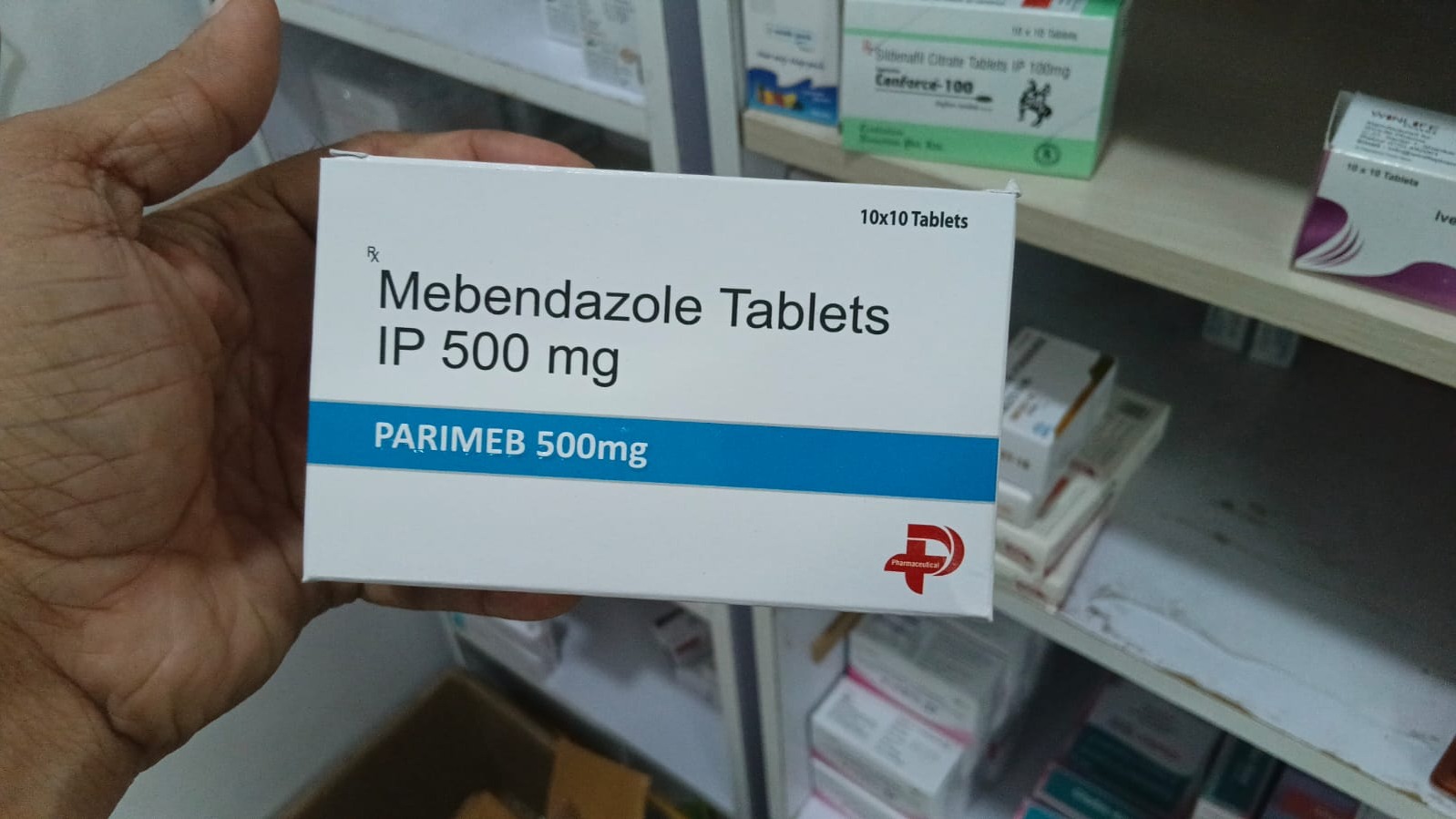
Mebendazole, associated with products such as Parimeb, is an anthelmintic medicine used to treat certain intestinal worm infections.
Understanding which parasites it targets, how it works, and why hygiene remains important can help patients in Saudi Arabia make informed decisions about treatment.
What Is Mebendazole?
Mebendazole belongs to a group of medicines called benzimidazole anthelmintics.
It works by interfering with essential processes inside susceptible parasitic worms.
Specifically, Mebendazole disrupts microtubule formation and affects the parasites' ability to utilize glucose effectively.
As a result, susceptible worms gradually lose their ability to maintain normal cellular functions.
The medicine is used against several common intestinal helminths, although effectiveness varies according to the parasite involved.
Which Worm Infections Can Mebendazole Treat?
Mebendazole is commonly associated with the treatment of certain intestinal nematode infections.
Examples include:
Pinworm infection, also called enterobiasis.
Roundworm infection caused by Ascaris lumbricoides.
Whipworm infection caused by Trichuris trichiura.
Certain hookworm infections.
Different infections may require different treatment approaches.
Mebendazole is not effective against every intestinal parasite. Protozoal infections and some other parasitic diseases require different medicines.
This distinction matters because symptoms such as abdominal pain and diarrhea can have many possible causes.
How Are Intestinal Worm Infections Identified?
Diagnosis depends on the suspected parasite and the patient's symptoms.
A healthcare professional may consider recent travel, household exposure, food hygiene, and other relevant factors.
Stool examination can help identify eggs or other evidence of certain intestinal parasites.
For suspected pinworm infection, a perianal adhesive tape test may be more useful than routine stool examination.
Not every patient requires the same investigation.
Persistent symptoms, unexplained anemia, weight loss, or recurrent infections may justify further evaluation.
Why Treatment Alone May Not Prevent Reinfection
Some intestinal worms spread through microscopic eggs that contaminate hands, surfaces, clothing, or food.
Pinworm infections are a familiar example because eggs can spread readily within households.
Even when medication successfully treats an existing infection, repeated exposure may cause reinfection.
Practical prevention measures include regular handwashing, keeping fingernails clean, washing bedding and clothing appropriately, and maintaining household hygiene.
Food safety and sanitation are also important for reducing exposure to certain intestinal parasites.
Side Effects and Precautions
Mebendazole is generally well tolerated when used appropriately, but adverse effects can occur.
Possible symptoms include abdominal discomfort, nausea, diarrhea, and headache.
Rare but serious reactions, including severe skin reactions or blood-related complications, have been reported.
Special consideration is necessary during pregnancy, in very young children, and in patients with relevant medical conditions.
Certain drug combinations may also require avoidance or additional assessment.
The correct treatment depends on the parasite, patient characteristics, and locally authorized product instructions.
Pharmaceutical Product Considerations in Saudi Arabia
Patients and healthcare buyers in Saudi Arabia should distinguish between Mebendazole as an active ingredient and the approval status of a specific branded medicine.
The name Parimeb should be checked against the actual product labeling, manufacturer information, and applicable registration records.
ERNEST IMPEX may be encountered by buyers researching pharmaceutical products. Any supply arrangement should meet Saudi Food and Drug Authority requirements for authorized medicines and distribution.
Product authenticity and proper storage are important considerations for healthcare facilities and distributors.
Preventing Future Intestinal Worm Infections
Successful management involves both appropriate treatment and reducing opportunities for further exposure.
Good sanitation, safe food preparation, personal hygiene, and attention to household transmission can make a meaningful difference.
For patients in Saudi Arabia, recognizing symptoms and identifying the likely parasite are more useful than assuming every digestive complaint requires deworming medication.
A diagnosis-based approach helps ensure that the selected treatment addresses the actual infection.