UK
+919359902383
+919359902383

general medicine

68179d65be22ee500d53ff54 Card 2

product image
General Medicine

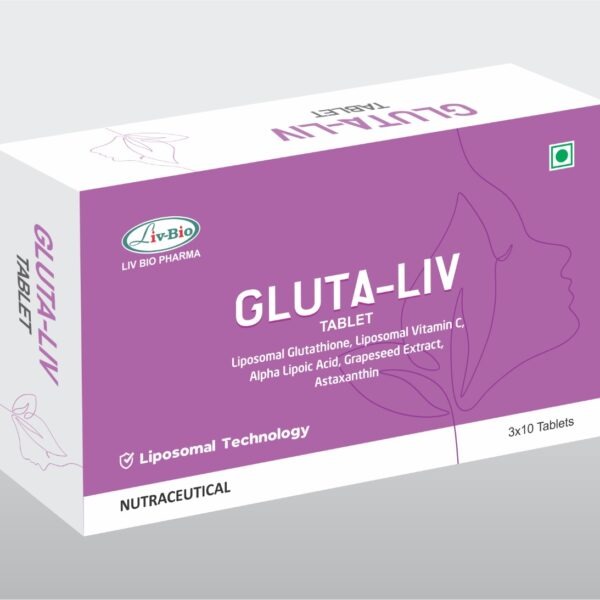
GLUTA-LIV Tablets are a nutraceutical supplement formulated to support skin health, detoxification, and overall vitality. Manufactured by Liv Bio Pharma, these tablets combine potent antioxidants and bioactive compounds designed to promote radiant skin and enhance metabolic function.​ 🔹 Key Ingredients and Their Benefits Ingredient Benefit Liposomal Glutathione Master antioxidant that supports liver detoxification and promotes skin radiance. Liposomal Vitamin C Enhances immunity, aids collagen production, and boosts antioxidant capacity. Alpha Lipoic Acid Protects cells from oxidative damage and supports metabolic health. Grapeseed Extract Rich in polyphenols, it supports cardiovascular health and combats oxidative stress. Astaxanthin A powerful carotenoid that supports skin health, reduces inflammation, and enhances immunity. ✅ Common Uses Condition Use of GLUTA-LIV Tablets Skin Health & Anti-Aging Promotes youthful, radiant skin and reduces signs of aging. Detoxification Supports liver detoxification and protects against toxins. Immune System Support Strengthens the body’s natural defenses against illnesses. Liver Health Aids in managing liver cirrhosis and liver damage from conditions like HIV/HCV coinfections. Antioxidant Defense Provides robust protection against free radical damage. 💊 Dosage and Administration Dosage: Take one tablet twice daily with food or as directed by your healthcare provider. Administration: Swallow the tablet whole; do not chew or crush. Consistency: For best results, use consistently as part of your daily routine.​ Arka Health ⚠️ Precautions and Side Effects Common Side Effects: Gastrointestinal discomfort such as nausea or bloating may occur. Precautions: Consult a healthcare professional before use, especially if you are pregnant, breastfeeding, or have any underlying health conditions. Drug Interactions: Berberine may interact with certain medications; consult your doctor if you are on other treatments.​ Liv Bio Pharma ✅ Summary Condition Use of GLUTA-LIV Tablets Skin Health & Anti-Aging Promotes youthful, radiant skin and reduces signs of aging. Detoxification Supports liver detoxification and protects against toxins. Immune System Support Strengthens the body’s natural defenses against illnesses. Liver Health Aids in managing liver cirrhosis and liver damage from conditions like HIV/HCV coinfections. Antioxidant Defense Provides robust protection against free radical damage.

68179d65be22ee500d53ff54 Card 2

product image
General Medicine

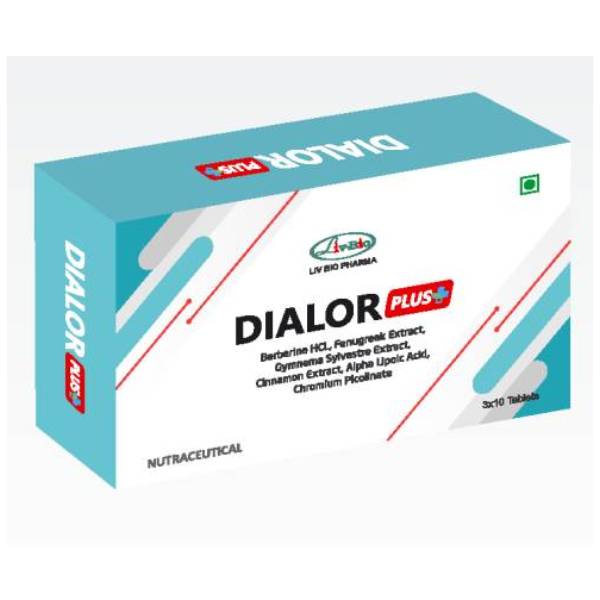
Dialor Plus Tablets are a nutraceutical supplement formulated to support blood sugar regulation, insulin sensitivity, and overall metabolic health. Manufactured by Liv Bio Pharma, this product combines several natural ingredients known for their beneficial effects on glucose metabolism and related conditions. ________________________________________ 🔹 Key Ingredients and Their Benefits: 1. Berberine HCl (500 mg): o A potent compound derived from Berberis aristata, berberine has been shown to help lower HbA1c levels and improve insulin sensitivity in individuals with type 2 diabetes. 2. Fenugreek Extract (150 mg): o Fenugreek seeds may assist in increasing insulin release and improving glucose control, making them beneficial for people with diabetes. 3. Gymnema Sylvestre Extract (150 mg): o Known for its ability to reduce sugar absorption in the intestines and enhance insulin function, Gymnema can aid in controlling blood sugar levels and preventing complications associated with diabetes. 4. Cinnamon Extract (150 mg): o Cinnamon has been found to improve blood sugar control in individuals with prediabetes and may slow the progression to type 2 diabetes. 5. Alpha Lipoic Acid (100 mg): o A versatile antioxidant, Alpha Lipoic Acid may help alleviate diabetic neuropathy and reduce pain from free-radical damage. It is also linked to decreased insulin resistance, aiding in blood sugar control. 6. Chromium Picolinate (200 mcg): o Chromium is a crucial nutrient that enhances the body's response to insulin and plays a role in glucose metabolism. ________________________________________ ✅ Common Uses of Dialor Plus Tablets: Condition Use of Dialor Plus Tablets Type 2 Diabetes ✅ Helps regulate blood sugar levels Insulin Resistance ✅ Improves insulin sensitivity Prediabetes ✅ Supports glucose metabolism Diabetic Neuropathy ✅ May alleviate nerve-related pain Metabolic Syndrome ✅ Assists in managing metabolic health SIBO/SIFO (Small Intestinal Bacterial/Fungal Overgrowth) ✅ Supports gut health and balance ________________________________________ 💊 How to Use: • Dosage: Typically, one tablet per day, preferably with a meal, or as directed by a healthcare provider. • Administration: Swallow the tablet whole; do not chew or crush. ________________________________________ ⚠️ Precautions and Side Effects: • Common Side Effects: Gastrointestinal discomfort such as nausea or bloating may occur. • Precautions: Consult a healthcare professional before use, especially if you are pregnant, breastfeeding, or have any underlying health conditions. • Drug Interactions: Berberine may interact with certain medications; consult your doctor if you are on other treatments. ________________________________________ ✅ Summary: Condition Use of Dialor Plus Tablets Type 2 Diabetes ✅ Helps regulate blood sugar levels Insulin Resistance ✅ Improves insulin sensitivity Prediabetes ✅ Supports glucose metabolism Diabetic Neuropathy ✅ May alleviate nerve-related pain Metabolic Syndrome ✅ Assists in managing metabolic health SIBO/SIFO ✅ Supports gut health and balance

68179d65be22ee500d53ff54 Card 2

product image
General Medicine

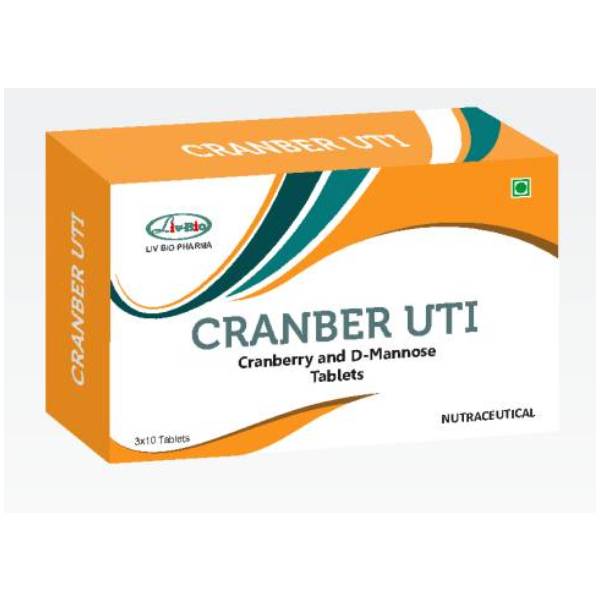
Cranber UTI Tablets typically contain cranberry extract, which is commonly used as a natural remedy for urinary tract health. Cranberries are rich in proanthocyanidins, which may help prevent the adhesion of bacteria (such as E. coli) to the walls of the urinary tract, reducing the risk of infections. 🔹 Common Uses of Cranber UTI Tablets: 🦠 Prevention of Urinary Tract Infections (UTIs): Cranber UTI Tablets are most commonly used to help prevent recurrent urinary tract infections (UTIs), especially in individuals who experience frequent UTIs. Cranberry extract may reduce the risk of bacteria adhering to the urinary tract walls, thus helping to reduce infection frequency. 💧 Urinary Tract Health Maintenance: Taken as a supplement for maintaining general urinary tract health and preventing infections, especially in individuals with a history of UTIs or those prone to urinary issues. 🩸 Supporting Bladder Health: Cranberry extract may also have a mild diuretic effect, helping flush out the urinary system and supporting bladder health. 🌿 Natural Support During UTI Treatment: While cranberries do not treat an existing infection, they are often used as a complementary approach during antibiotic therapy to help prevent future UTIs or reduce the frequency of occurrences. ✨ Antioxidant Benefits: Cranberries are rich in antioxidants, which may help reduce inflammation in the urinary tract and support overall immune function. 💊 How It's Taken: Usually taken orally in the form of tablets or capsules, as directed by a healthcare provider or as recommended on the product packaging. The typical dosage will depend on the formulation and concentration of the cranberry extract. ⚠️ Precautions and Side Effects: Side Effects are generally rare but can include: Gastrointestinal discomfort (e.g., nausea, upset stomach) if taken in high doses. Possible interaction with medications: High doses of cranberry supplements may interact with certain medications, like blood thinners (e.g., warfarin), so it’s important to consult with a healthcare provider if you're on such medications. Not a Substitute for Antibiotics: While cranberry may help prevent UTIs, it should not replace antibiotic treatment for active infections. Always follow your doctor's advice if you have a UTI. ✅ Summary of Cranber UTI Tablet Uses: Condition Use of Cranber UTI Tablets Prevention of Urinary Tract Infections (UTIs) ✅ Commonly used for prevention General Urinary Tract Health ✅ Supports bladder health Recurrent UTIs ✅ Helps reduce frequency Complementary Support during UTI Treatment ✅ Helps with prevention post-treatment Antioxidant Support ✅ Provides antioxidants for overall health

68179d65be22ee500d53ff54 Card 2

product image
General Medicine

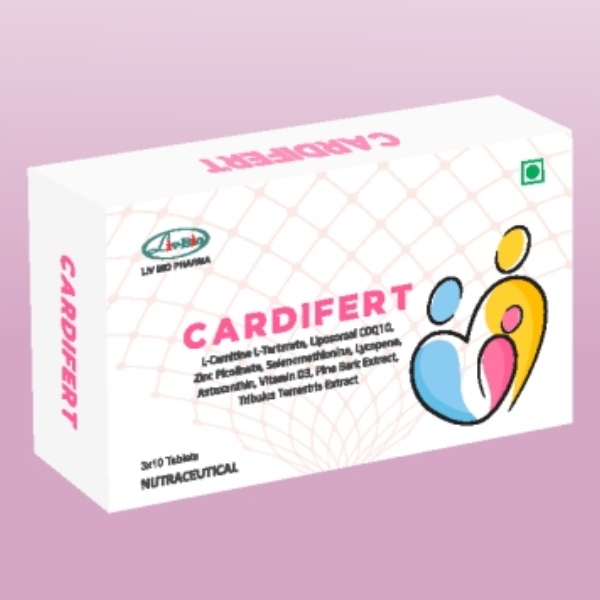
Cardifert Tablets are typically a combination of fertility-enhancing agents designed to support reproductive health, especially for individuals experiencing difficulty conceiving. While the exact formulation may vary depending on the brand, these tablets generally contain ingredients that help improve ovarian function, hormonal balance, and overall fertility. 🔹 Common Uses of Cardifert Tablets: 🌸 Enhancing Ovulation in Women with PCOS: Polycystic Ovary Syndrome (PCOS) is a common cause of infertility due to irregular ovulation. Cardifert tablets often contain clomiphene citrate or similar agents that help stimulate ovulation by encouraging the ovaries to release eggs. 🧬 Improving Hormonal Balance: Cardifert may be used to regulate hormonal imbalances related to fertility issues, particularly in conditions like PCOS or hypothalamic dysfunction, which can cause problems with ovulation. 🍃 Support for Female Fertility: Designed to improve overall fertility in women who are struggling to conceive. The combination of ingredients can help address various underlying causes of infertility, such as poor egg quality, inadequate hormone levels, or irregular cycles. 🧑‍🤝‍🧑 Male Fertility Support (in some formulations): Some formulations of Cardifert may also include antioxidants like L-carnitine, which can help improve sperm quality, motility, and overall male fertility. 🧪 Fertility Treatment Adjunct: Can be used alongside other fertility treatments like intrauterine insemination (IUI) or in vitro fertilization (IVF) to increase the chances of conception. 💊 How It's Taken: The dosage and duration of treatment will depend on the specific formulation and the underlying condition being treated. It is usually taken orally as prescribed by a fertility specialist or doctor, typically as a course of treatment that may last several cycles. ⚠️ Precautions and Side Effects: Side Effects can include: Hot flashes Mood swings Bloating Headaches Ovarian hyperstimulation (in rare cases, especially if used for ovulation induction) Consultation with a healthcare provider is crucial to ensure the right dosage and to monitor for potential side effects or complications, especially in individuals with existing hormonal disorders or ovarian cysts. ✅ Summary of Cardifert Tablet Uses: Condition Use of Cardifert Tablets Polycystic Ovary Syndrome (PCOS) ✅ Stimulate ovulation Hormonal Imbalance ✅ Regulate hormone levels General Female Fertility Support ✅ Enhance fertility Male Fertility (Some formulations) ✅ Improve sperm quality and motility Adjunct in Fertility Treatments (e.g., IUI/IVF) ✅ Support IVF or IUI procedures

68179d65be22ee500d53ff54 Card 2

product image
General Medicine

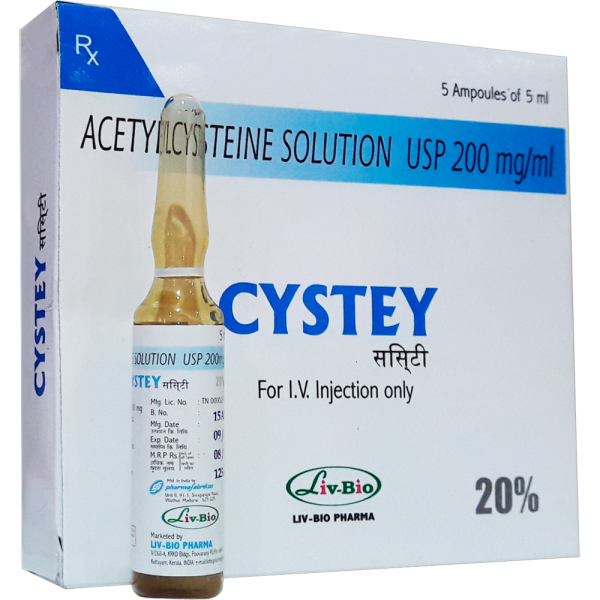
Acetylcysteine (N-Acetylcysteine or NAC) Injection is a medication with various clinical uses, particularly in treating acute poisoning and respiratory conditions. It is the injectable form of NAC, which is also available in oral and inhalation formulations. 🔹 Common Uses of Acetylcysteine Injection (NAC Injection): 💊 Acetaminophen (Paracetamol) Overdose: Primary and well-established use: Acetylcysteine is the antidote for acetaminophen toxicity (overdose). It works by replenishing glutathione, a crucial antioxidant in the liver, thus preventing liver damage caused by acetaminophen metabolism. Early administration is key: Can prevent or minimize liver damage if administered within 8–10 hours of overdose. 🫁 Chronic Obstructive Pulmonary Disease (COPD) / Respiratory Conditions: Mucolytic action: NAC helps to break down and thin mucus in the lungs, making it easier to cough up. Often used in COPD, chronic bronchitis, asthma, and other conditions where thick mucus obstructs airways. Nebulized NAC is sometimes used for inhalation to directly treat respiratory conditions. 🧬 Kidney Protection (Preventing Contrast-Induced Nephropathy): Prophylactic use in patients who are at high risk of contrast-induced kidney damage (e.g., before receiving contrast media in imaging procedures like CT scans). NAC may help protect kidney function from damage caused by the contrast agents used during these procedures. 🔬 Antioxidant Therapy in Critical Care: NAC is used as an antioxidant to reduce oxidative stress in various conditions such as sepsis, acute respiratory distress syndrome (ARDS), and other critical illnesses. It helps to reduce inflammation and cell damage by neutralizing free radicals. 🧪 Treatment of Cystic Fibrosis (CF): While primarily in oral or nebulized form, acetylcysteine may sometimes be used intravenously to help manage mucus buildup in the airways in CF patients, although this is less common. 🍸 Alcohol-Induced Liver Injury: NAC has been investigated in treating alcohol-induced liver damage, as it helps with glutathione replenishment and reduces oxidative stress. It’s sometimes used in the hospital setting for patients with alcoholic liver disease. 💉 How It’s Administered: Intravenously (IV) is the most common method for acetaminophen overdose or critical care. It is usually given as a slow infusion, with the dosage adjusted based on the severity of the condition being treated (e.g., for acetaminophen toxicity, a specific dosing regimen is followed). ⚠️ Precautions & Side Effects: Common Side Effects: Nausea or vomiting (especially with high doses) Rash Fever Hypotension (low blood pressure) during IV administration Severe Reactions: Rarely, an allergic reaction (e.g., anaphylaxis) may occur. Bronchospasm (tightening of the airways) in patients with a history of asthma, though this is less common with IV use. Kidney function should be monitored, especially in patients at high risk of renal issues or those receiving contrast agents. ✅ Summary of Acetylcysteine Injection Uses: Condition Use of Acetylcysteine (NAC) Injection Acetaminophen overdose ✅ Primary antidote Mucolytic (thinning mucus) for respiratory conditions ✅ COPD, chronic bronchitis, asthma Kidney protection in contrast nephropathy ✅ Prevent contrast-induced kidney damage Antioxidant therapy in critical care ✅ Sepsis, ARDS, oxidative stress Cystic Fibrosis (mucus management) ✅ Less common, but used Alcohol-induced liver injury ✅ Investigational (glutathione replenishment)

68179d65be22ee500d53ff54 Card 2

product image
General Medicine

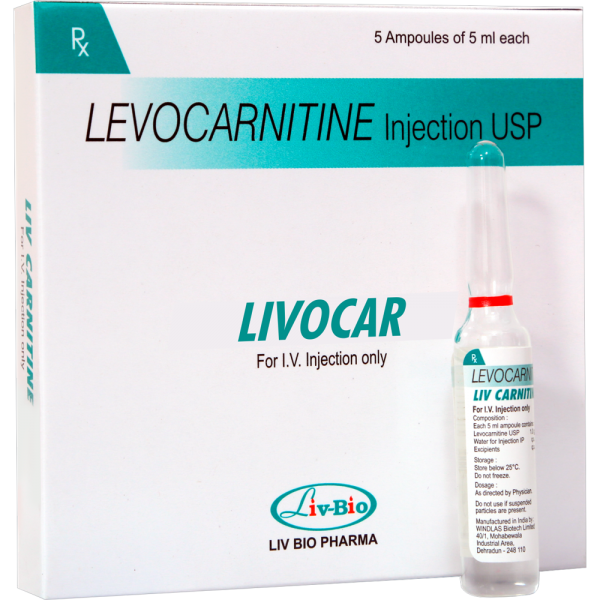
L-Carnitine Injection is the injectable form of L-carnitine, a naturally occurring amino acid derivative involved in the metabolism of fatty acids. It plays a crucial role in the transport of fatty acids into the mitochondria, where they are burned for energy. L-Carnitine injections are typically used when the body has a deficiency or when enhanced fat metabolism is needed for therapeutic purposes. 🔹 Common Uses of L-Carnitine Injection: 🔋 Fatigue & Energy Production Often used to improve fat metabolism, especially in cases of chronic fatigue or low energy, as it helps the body utilize fat as an energy source more effectively. ⚖️ Weight Loss Support Can be used as an adjunct to weight loss programs to enhance fat burning (though the evidence for significant weight loss with L-carnitine injections alone is limited). 🧠 Cognitive Function & Mental Clarity L-carnitine has shown potential benefits in improving mental clarity and cognitive function, especially in older adults or individuals with Alzheimer's disease or age-related cognitive decline. ❤️ Heart Health May be used in patients with heart disease or heart failure, as it helps improve the efficiency of heart muscle cells by providing them with more energy to function. Supports fat metabolism in heart cells, which is vital for optimal heart function. 🧬 Muscle Recovery & Performance Commonly used by athletes and those undergoing intensive physical training to reduce muscle damage and enhance recovery. It helps in the transport of fatty acids for energy during exercise, reducing reliance on glycogen stores. 🍖 Primary and Secondary Carnitine Deficiency In individuals with genetic disorders or other conditions that impair carnitine production or transport, L-carnitine injections can be used to treat primary carnitine deficiency or to address deficiencies due to renal disease or dialysis. 🍏 Metabolic Disorders (in some cases) Used to support people with metabolic disorders that impair fat oxidation or in cases of dialysis-related carnitine deficiency. 💉 How It’s Administered: Usually given intravenously (IV) or intramuscularly (IM), depending on the clinical scenario. Typically administered in hospital or clinical settings, though outpatient clinics sometimes offer it for weight management or athletic performance. ⚠️ Precautions & Side Effects: Generally safe, but excessive use can lead to: Nausea or abdominal discomfort Muscle weakness or cramping Fishy body odor (a common side effect of high-dose carnitine) Increased risk of seizures (in people with certain conditions like epilepsy) Use with caution in renal patients since carnitine is primarily excreted by the kidneys. Consult a doctor before use in individuals with heart disease, since excess carnitine may have unwanted effects on heart rhythms. ✅ Summary: Condition Use of L-Carnitine Injection Fatigue & Energy Support ✅ Yes Weight Loss (Adjunct Therapy) ✅ Yes (with exercise/diet) Muscle Recovery & Athletic Performance ✅ Yes Heart Health (Heart Failure) ✅ Yes Cognitive Function & Mental Clarity ✅ In age-related decline Carnitine Deficiency ✅ Yes

68179d65be22ee500d53ff54 Card 2

product image
General Medicine

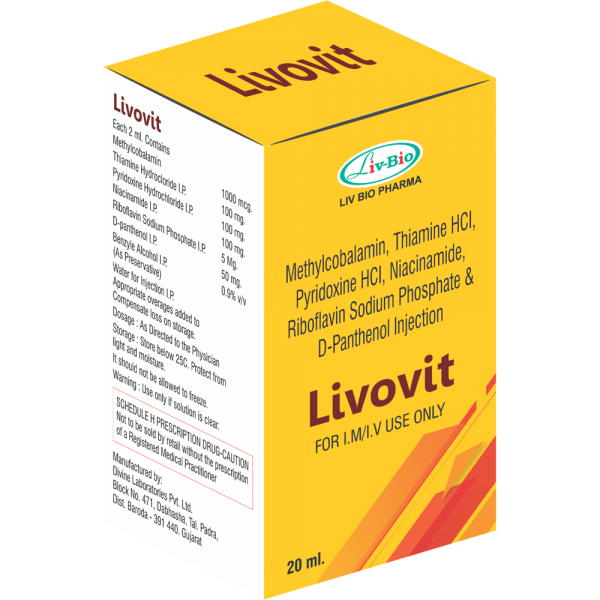
Vitamin B Complex Injection contains a mixture of B vitamins, often including B1 (thiamine), B2 (riboflavin), B3 (niacin), B5 (pantothenic acid), B6 (pyridoxine), B7 (biotin), B9 (folic acid), and B12 (cyanocobalamin or hydroxocobalamin). These injections are used to treat or prevent deficiencies, support neurological health, boost energy metabolism, and help with recovery in various medical conditions. 🔹 Common Medical Uses of Vitamin B Complex Injection: 🧠 Neurological Support Helps manage neuropathy, nerve pain, or nerve inflammation (e.g. sciatica, diabetic neuropathy, neuritis). Especially beneficial in alcoholics or people with poor absorption. 💉 Treatment of Vitamin B Deficiencies Used when oral intake is insufficient or not possible. Common in cases of: Chronic alcoholism Malabsorption (e.g., Crohn’s, celiac disease) Post-surgery (e.g., bariatric surgery) 🔋 Fatigue & Weakness B vitamins play a role in energy metabolism—injections may help with unexplained fatigue, especially if related to deficiency. 🩺 Supportive Therapy in Illness Often used as part of recovery in chronic illness, surgery, burns, or infections to support metabolism and healing. 🧬 Anemia (especially B12 or folate-related) Supports red blood cell production and can help treat megaloblastic anemia. 🥴 Hangover Recovery (off-label/alternative clinics) Sometimes included in 'IV drip therapy' or 'hangover cures' to replenish nutrients and restore hydration. 💉 How It’s Given: Usually given intramuscularly (IM). Can also be given intravenously (IV) in hospital settings. ⚠️ Possible Side Effects: Mild: Pain at injection site, flushing, or nausea. Rare: Allergic reactions (especially with B1 or B12). Should be used with caution in people with certain allergies or medical conditions (e.g., B12 sensitivity in Leber’s disease). ✅ Summary of Benefits: Benefit / Condition Vitamin B Complex Role Nerve health & repair B1, B6, B12 Energy metabolism All B vitamins Anemia support B9 (folate), B12 Fatigue, recovery, weakness General support Alcohol-related deficiencies B1 (thiamine), B6, B12 Post-surgical healing B-complex support

68179d65be22ee500d53ff54 Card 2

product image
General Medicine

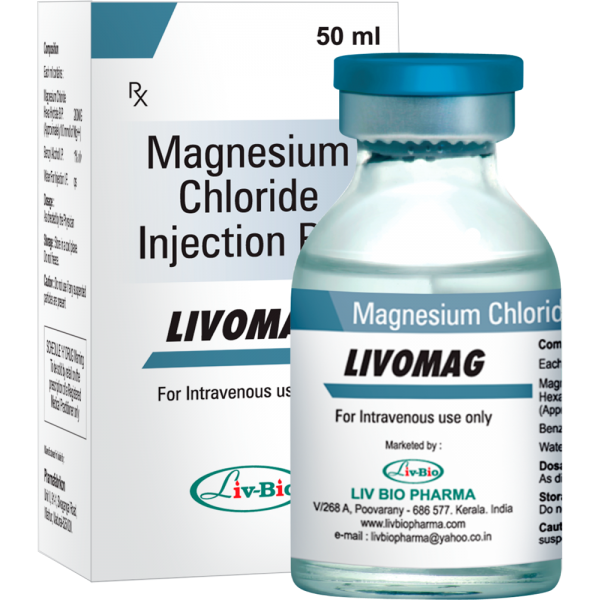
Magnesium Chloride Injection is a sterile solution used to treat or prevent magnesium deficiency and related conditions. It's typically given when oral magnesium supplements are ineffective or inappropriate (e.g., in emergencies or hospitalized patients). 🔹 Main Uses of Magnesium Chloride Injection: 🧪 Treatment of Hypomagnesemia (Low Magnesium Levels) Used when blood magnesium levels drop too low, which can cause muscle cramps, fatigue, tremors, and arrhythmias. Common in alcoholics, diabetics, or those with malabsorption syndromes. 🫀 Cardiac Arrhythmias Especially effective in treating: Torsades de pointes (a type of ventricular tachycardia) Irregular heartbeats due to magnesium deficiency. 🤰 Eclampsia and Pre-eclampsia (Pregnancy-related Seizures) Magnesium sulfate is more commonly used, but magnesium chloride may be considered as an alternative. 💨 Severe Asthma Attacks (Adjunct Therapy) Can help relax bronchial smooth muscle and improve breathing during status asthmaticus when other treatments fail. ⚕️ Electrolyte Imbalance Correction Often used with other electrolytes (like potassium) in critical care settings to restore balance in ICU patients. 💉 How It's Given: Intravenously (IV) or Intramuscularly (IM) by a healthcare professional. Dosage depends on the severity of magnesium deficiency or the condition being treated. ⚠️ Precautions & Side Effects: Monitor serum magnesium levels to avoid overdose. High levels can cause: Low blood pressure Flushing Muscle weakness Slow heart rate Respiratory depression or cardiac arrest in severe overdose Use with caution in patients with kidney disease, as magnesium is excreted by the kidneys. ✅ Summary: Condition Use of MgCl Injection Hypomagnesemia ✅ Yes Torsades de Pointes ✅ Yes Pre-eclampsia / Eclampsia ✅ Alternative (to MgSO₄) Severe Asthma (adjunct) ✅ Yes Routine supplementation ⚠️ Only in hospital/clinical setting

68179d65be22ee500d53ff54 Card 2

product image
General Medicine

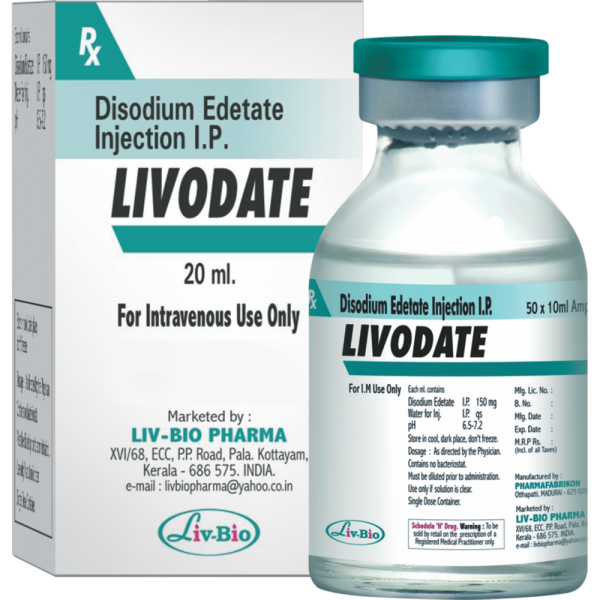
Disodium Edetate Injection (also written as EDTA Disodium or Disodium EDTA) is a chelating agent with very limited and specific medical uses due to the risk of serious side effects. 🔹 Approved Medical Uses of Disodium Edetate Injection: 🔻 Treatment of Severe Hypercalcemia Primary use: Treats life-threatening high calcium levels in the blood. It binds to excess calcium ions and helps remove them from the body via the kidneys. 💊 Digitalis (Digoxin) Toxicity (rare/adjunct) In cases of digoxin overdose, disodium EDTA may be used to lower calcium, which worsens digoxin's toxic effects. ⚠️ NOT for Lead Poisoning ⚠️ Very important: Disodium EDTA is not used for lead poisoning. It can dangerously lower blood calcium and cause fatal hypocalcemia. The safe version for lead chelation is Calcium Disodium EDTA (CaNa₂EDTA). 💉 How It’s Given: Intravenously (IV) and must be administered slowly. Requires monitoring of calcium and kidney function. ⚠️ Risks and Side Effects: Severe hypocalcemia (can cause seizures, cardiac arrhythmias, or death). Kidney damage Nausea, vomiting, headache Blood pressure drops Injection site irritation 🚫 Not Approved For: “Detox” or anti-aging therapy Cardiovascular or atherosclerosis treatment (not FDA-approved and unsafe) ✅ Summary: Condition Use of Disodium EDTA Severe Hypercalcemia ✅ Yes Digoxin (digitalis) toxicity ⚠️ Rare, supportive Lead or heavy metal poisoning ❌ NO (use CaNa₂EDTA) Detox / cosmetic use ❌ Not approved/safe

68179d65be22ee500d53ff54 Card 2

product image
General Medicine

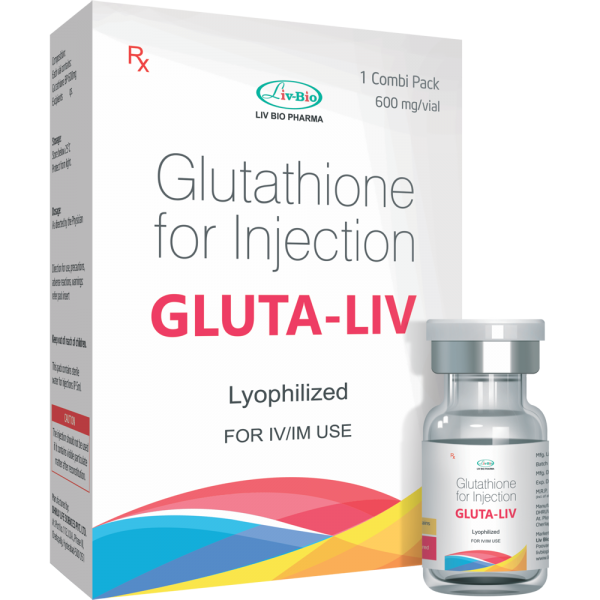
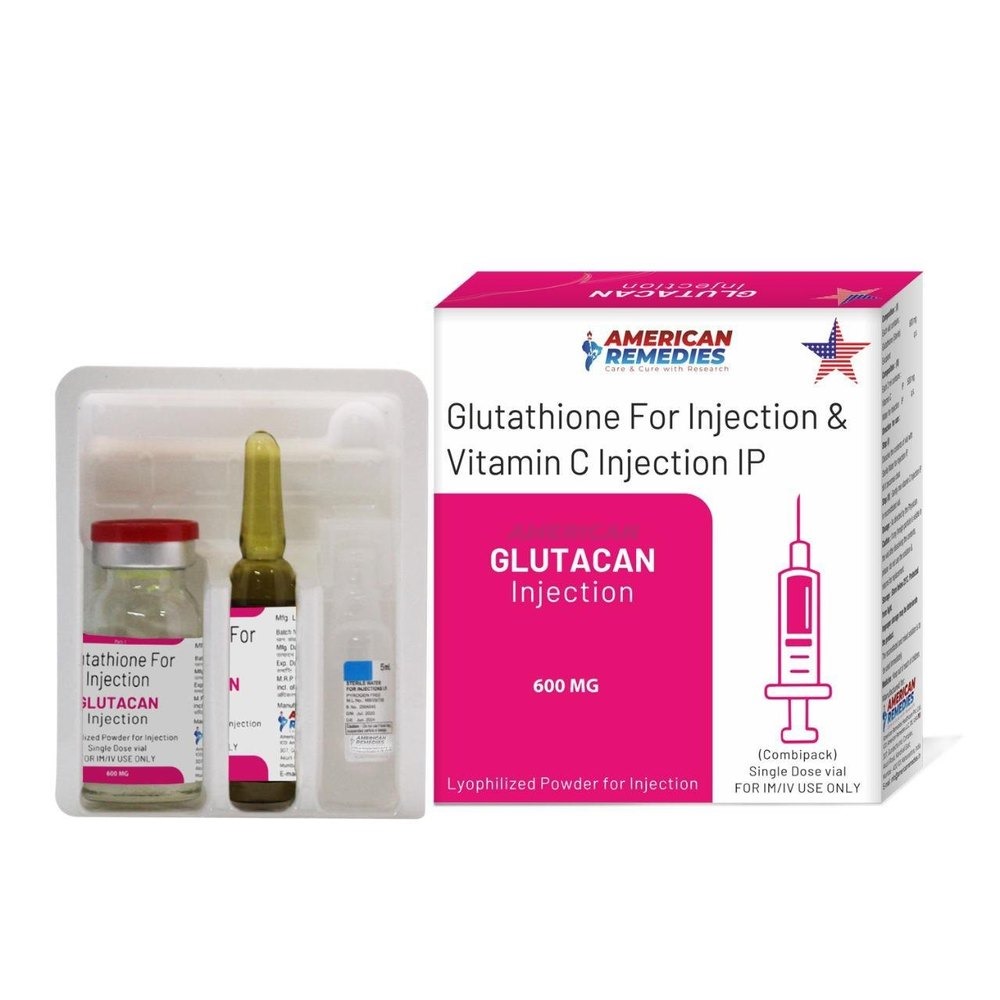
Glutathione Injection is widely used in both medical and cosmetic settings. It’s a powerful antioxidant naturally produced in the body, and injectable forms are often used when higher or faster delivery is needed. 🔹 Medical Uses of Glutathione Injection: 🧬 Antioxidant Therapy (Cell Protection) Neutralizes free radicals, reduces oxidative stress. Used in chronic illnesses like diabetes, neurodegenerative diseases, and liver disease. 🫁 Chronic Illness Support May help in conditions like: Parkinson’s disease (as an experimental treatment) Fatty liver disease / Hepatitis HIV/AIDS (to reduce oxidative stress) 🧪 Detoxification Supports liver detox in heavy metal toxicity, drug overdose, and chemotherapy side effects. 💊 Chemotherapy Side Effect Reduction Sometimes used to protect healthy cells during chemo, particularly in reducing neurotoxicity. ✨ Cosmetic & Wellness Uses (Off-label): 🌟 Skin Whitening / Brightening Popular in aesthetics for skin lightening, often combined with vitamin C. Works by inhibiting melanin production, but results vary and are not FDA-approved for this use. 💆 Anti-Aging & Skin Health Promoted for improving skin clarity, elasticity, and reducing pigmentation. Marketed in many wellness clinics as a 'glow' or beauty drip. 💉 How It’s Administered: Usually given via IV (intravenous) or IM (intramuscular). Dosing depends on purpose: medical doses tend to be lower; cosmetic doses are often higher and given in repeated sessions. ⚠️ Side Effects & Precautions: Generally well-tolerated in low doses, but possible side effects include: Nausea Skin rashes Breathing difficulty (rare) High-dose or long-term use should be done under medical supervision, especially in people with asthma or kidney/liver disease.

68179d65be22ee500d53ff54 Card 2

product image
General Medicine

Disodium EDTA Injection (Ethylenediaminetetraacetic acid, disodium salt) is a chelating agent, similar to calcium disodium EDTA, but with different uses, safety profile, and risks. It’s much less commonly used today due to safety concerns and has narrower indications. 🔹 Main Uses of Disodium EDTA Injection: 🦙 Hypercalcemia (High Blood Calcium Levels) It can be used in emergency treatment of severe hypercalcemia, especially when rapid calcium reduction is required. It works by binding free calcium ions in the blood. 🫀 Digitalis Toxicity (rare use) Sometimes used to manage digoxin toxicity by lowering calcium levels, as excess calcium can worsen digoxin effects. 🧪 Experimental or Unapproved Use: Chelation therapy for atherosclerosis (plaque buildup in arteries): Previously promoted in 'alternative' medicine as a treatment for heart disease. ⚠️ Not FDA-approved for cardiovascular use due to risk of severe side effects including death. ⚠️ Important Warnings & Safety Concerns: Disodium EDTA has been associated with fatal hypocalcemia (low calcium levels) when misused. Because of this, it is generally not used for lead poisoning—Calcium Disodium EDTA (CaNa₂EDTA) is the preferred and safer agent. It requires hospital setting administration with continuous monitoring. 💉 How It’s Given: Administered via IV infusion. Given slowly to prevent rapid electrolyte shifts and heart complications. 🚫 Not Used For: Lead poisoning — too dangerous due to calcium depletion. General detox — not approved or supported by scientific evidence.

68179d65be22ee500d53ff54 Card 2

product image
General Medicine

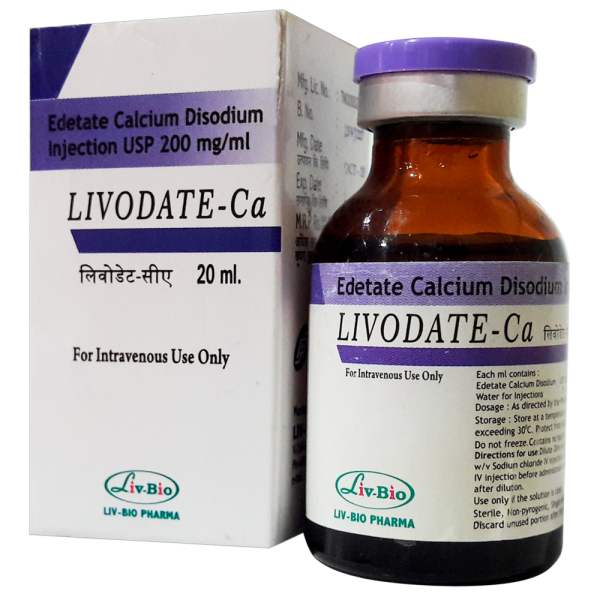
Calcium Edetate Injection (also known as Calcium Disodium EDTA) is a chelating agent used mainly to treat heavy metal poisoning, particularly lead poisoning. 🔹 Primary Uses of Calcium Edetate Injection: 🧪 Lead Poisoning (Plumbism) Main use: binds to lead in the bloodstream and helps eliminate it through the urine. Often used in moderate to severe cases, especially in children and industrial exposure. 🌡️ Other Heavy Metal Toxicity (off-label or less common) May also be used (less commonly) for: Cadmium Zinc (in overload situations) Not used for mercury or arsenic—other chelators like dimercaprol or DMSA are preferred there. 🔄 Diagnostic Use (EDTA lead mobilization test) Sometimes used to test the body's lead burden by observing how much lead is excreted after administration. 💉 How It Works: Chelation therapy: The EDTA binds to heavy metal ions in the blood. The resulting complex is water-soluble and excreted through the kidneys. 💉 Administration: IV (intravenous) or IM (intramuscular) injection. Usually given over several days, depending on lead levels and patient condition. Often used alongside hydration therapy to protect the kidneys. ⚠️ Precautions & Side Effects: Kidney function must be closely monitored — chelation can be hard on the kidneys. Electrolyte imbalances (e.g., calcium, zinc depletion) may occur. Possible side effects: Fever, chills Nausea, vomiting Injection site pain Low blood pressure (rare but serious) ❗ Important Notes: Not the same as disodium EDTA, which is more toxic and not approved for lead poisoning. Must be used under strict medical supervision, especially in children.

Phone Number

+919359902383

Mon-Thu: 10 AM - 2 PM • Fri: 3 PM - 7AM

Other Website Visit our other website
Address London, UK

UK, United Kingdom, 1