UK
+919359902383
+919359902383

general medicine

68179d65be22ee500d53ff54 Card 2

product image
General Medicine

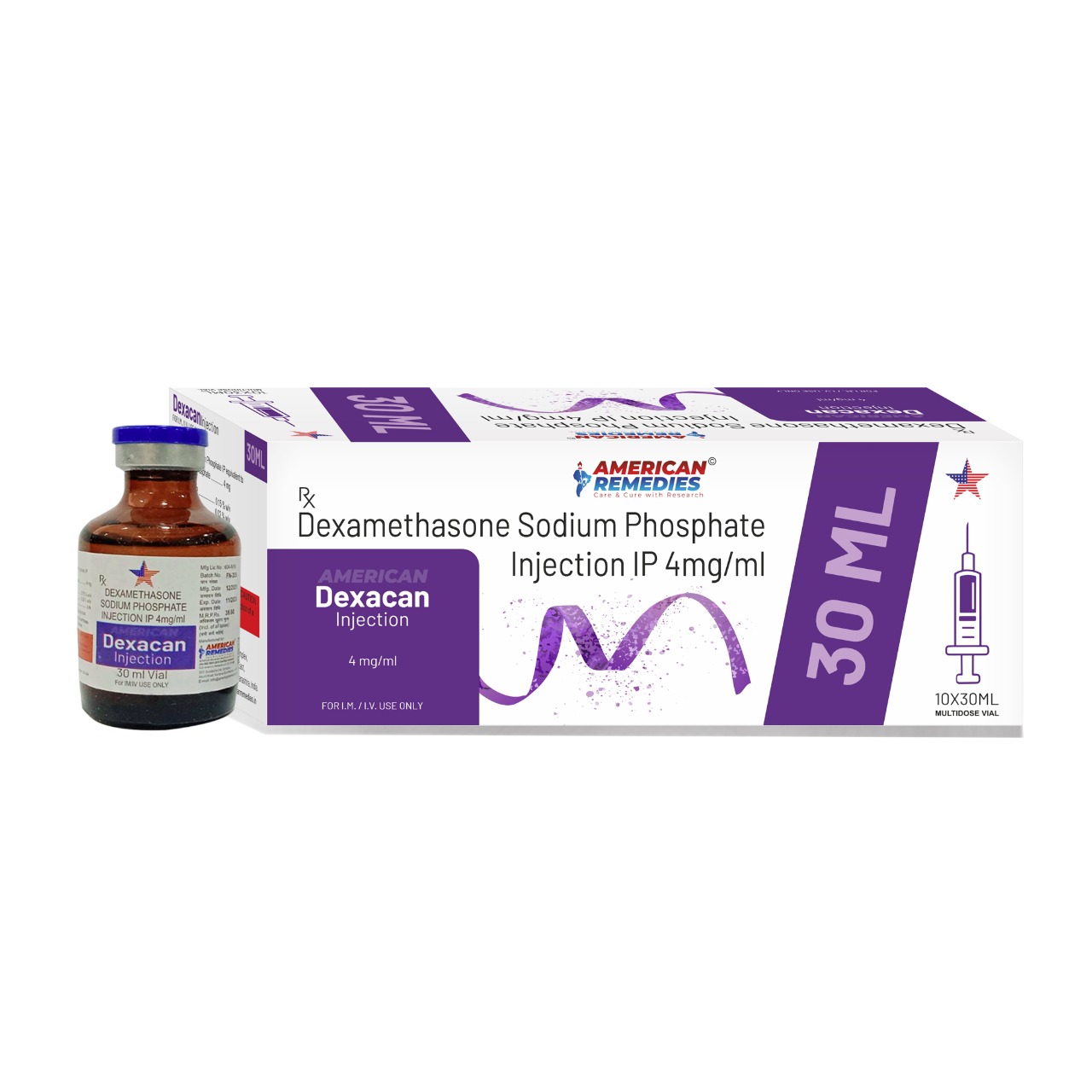
Dexacan Injection contains Dexamethasone Sodium Phosphate, a potent corticosteroid used to manage various inflammatory, allergic, and autoimmune conditions. It is typically administered in hospital settings under medical supervision. ________________________________________ 🩺 Medical Uses Dexacan Injection is indicated for: • Adrenal Insufficiency: To replace deficient corticosteroids in conditions like Addison's disease. • Severe Allergic Reactions: Including anaphylaxis and angioedema. • Autoimmune Disorders: Such as rheumatoid arthritis, lupus, and vasculitis. • Inflammatory Conditions: Including ulcerative colitis, Crohn's disease, and certain skin disorders. • Neurological Conditions: For managing cerebral edema and certain types of meningitis. • Endocrine Disorders: As a diagnostic tool in Cushing's syndrome. • Shock Management: Particularly in cases of septic shock, often as an adjunct to other therapies. It works by suppressing inflammation and modulating the immune response. This is achieved through its glucocorticoid activity, which reduces the production of inflammatory mediators. ________________________________________ ⚙️ Dosage and Administration Dexacan Injection is administered intravenously (IV) or intramuscularly (IM) by healthcare professionals. The dosage varies based on the specific condition being treated and the patient's response. For instance, in cerebral edema, an initial IV dose of 10 mg may be followed by 4 mg IM every six hours. ________________________________________ ⚠️ Precautions and Contraindications Before using Dexacan Injection, inform your healthcare provider if you have: • Allergies to dexamethasone or other corticosteroids. • Infections, as corticosteroids can suppress the immune system. • Gastrointestinal issues, such as ulcers. • Cardiovascular diseases, including hypertension. • Diabetes, as corticosteroids can affect blood sugar levels. • Osteoporosis or other bone disorders. Use during pregnancy or breastfeeding should be discussed with a healthcare provider. ________________________________________ 💊 Side Effects Common side effects may include: • Increased appetite and weight gain. • Fluid retention and swelling. • Elevated blood pressure. • Mood swings or psychological effects. • Gastrointestinal discomfort. Long-term use can lead to more serious effects, such as osteoporosis, cataracts, and increased susceptibility to infections. ________________________________________

68179d65be22ee500d53ff54 Card 2

product image
General Medicine

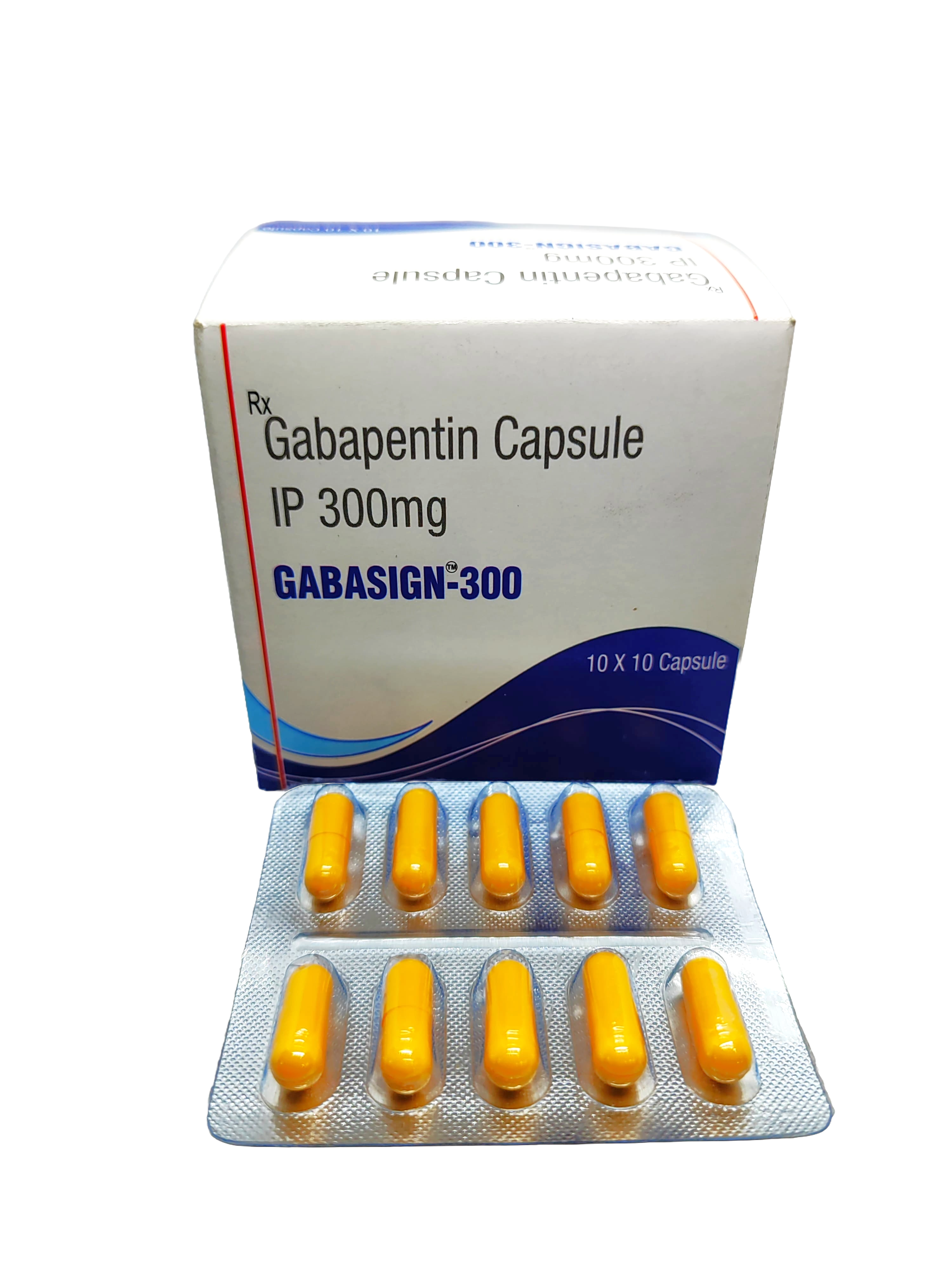
Gabasign 300mg Tablet is a medicine used to relieve the pain caused by nerve damage (neuropathic pain) due to various conditions like diabetes, shingles (herpes zoster infection), spinal cord injury, etc. It is also used to treat certain types of seizures (fits) in combination with other medicines. Gabasign 300mg Tablet belongs to the anti-epileptic group of medicines. You may take it with or without food, but it is important to take this medicine at the same time each day to get the most benefit. The exact dose and duration of treatment will depend on your condition and how you respond to it. Your doctor will probably start this medicine at a low dose and increase it gradually. It may take a few weeks for the medicine to work properly. Follow your doctor’s instructions and continue taking it regularly until your doctor advises you to stop. Do not miss any dose, otherwise, your condition may worsen. Most people taking Gabasign 300mg Tablet do not experience any side effects. The most common ones are feeling sleepy, dizzy, or tired (fatigue). These are usually mild and go away by themselves as your body gets used to the medicine. Most side effects are not serious and do not need medical attention. Talk to your doctor if any of the side effects persist or worry you.

68179d65be22ee500d53ff54 Card 2

product image
General Medicine

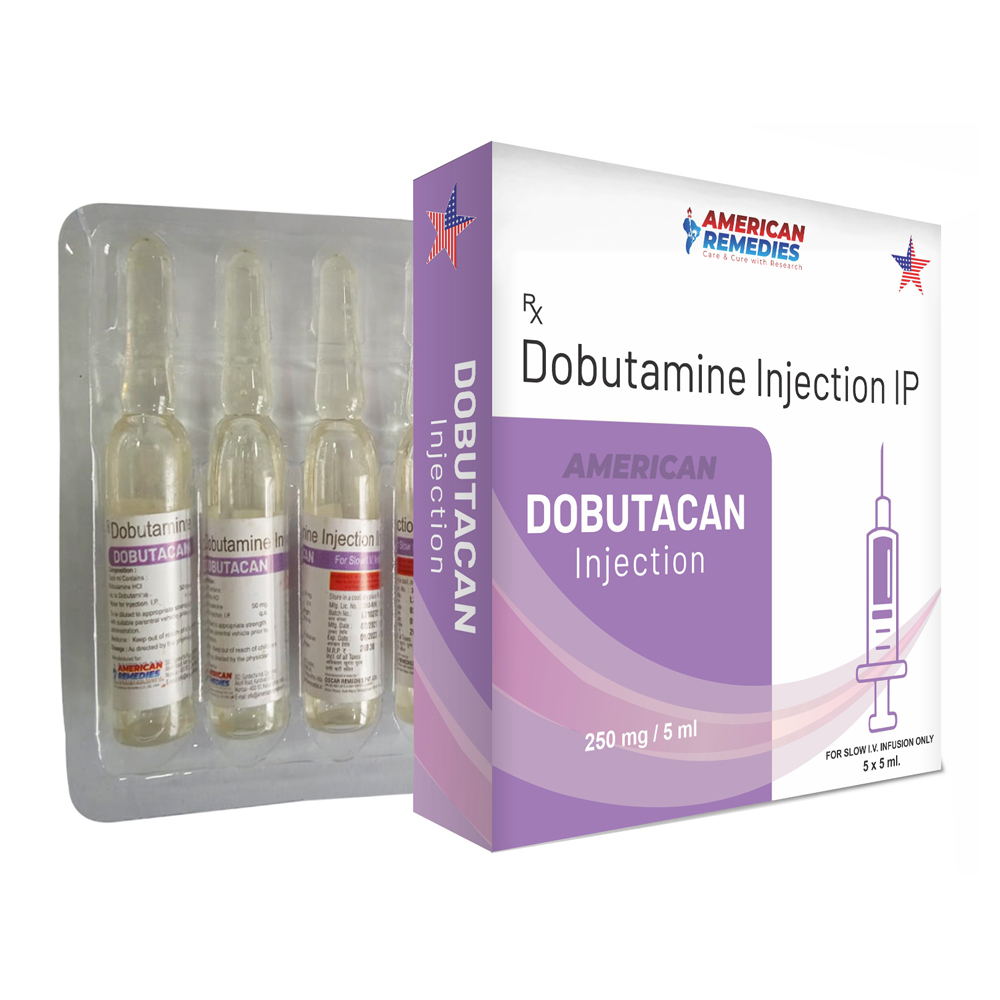
Dobutacan 12 Injection is a brand of Dobutamine Hydrochloride 12.5 mg/mL, a synthetic catecholamine used in critical care settings to support heart function. It is administered intravenously under medical supervision. ________________________________________ 🩺 Medical Uses Dobutacan 12 Injection is indicated for: • Cardiac Decompensation: Acute heart failure due to conditions like myocardial infarction, cardiomyopathies, or post-cardiac surgery. • Cardiogenic Shock: A state of low cardiac output leading to inadequate tissue perfusion. • Septic Shock: A severe infection causing low blood pressure and organ dysfunction. • Stress Echocardiography: As a pharmacological agent to assess coronary artery disease when exercise is not feasible. It works by stimulating beta-1 adrenergic receptors, increasing heart contractility and stroke volume, thereby improving cardiac output. ________________________________________ ⚙️ Dosage and Administration Dobutacan 12 Injection is administered intravenously in a hospital setting. The typical dosage ranges from 2.5 to 10 mcg/kg/min, adjusted based on the patient's response. In some cases, doses up to 20 mcg/kg/min may be required. ________________________________________ ⚠️ Precautions and Contraindications Before using Dobutacan 12 Injection, inform your healthcare provider if you have: • Allergies to dobutamine or other components of the injection. • A history of arrhythmias or heart disease. • Kidney or liver problems. • A history of stroke or blood clots. This medication is typically administered by healthcare professionals in a clinical setting and is not intended for self-administration. It is usually given as an intramuscular (IM) or intravenous (IV) injection. ________________________________________ 💊 Side Effects Common side effects may include: • Headache • Nausea or vomiting • Dizziness or lightheadedness • Injection site reactions (pain, redness, or swelling) Serious side effects are rare but can occur. Seek immediate medical attention if you experience symptoms like chest pain, shortness of breath, or signs of gastrointestinal bleeding.

68179d65be22ee500d53ff54 Card 2

product image
General Medicine

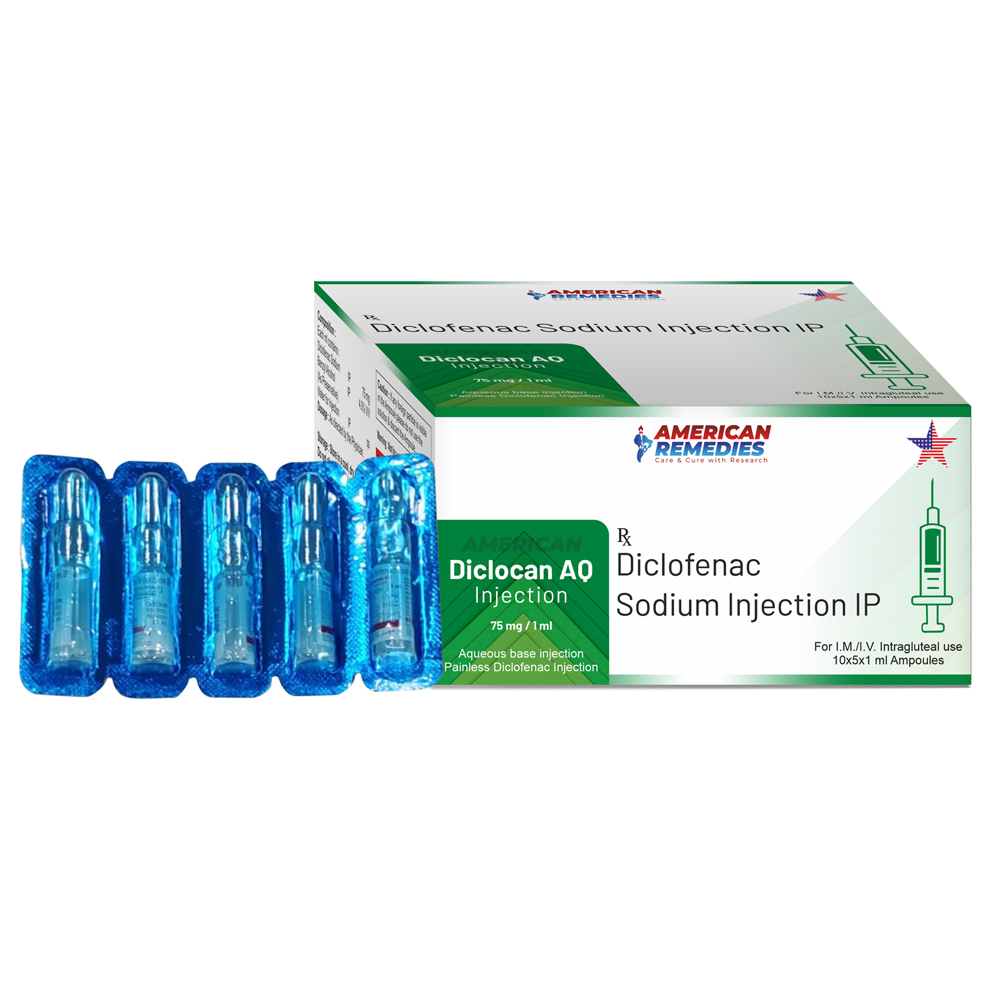
Diclocan AQ Injection is a brand of Diclofenac Sodium 75 mg/ml, a nonsteroidal anti-inflammatory drug (NSAID) used to manage acute pain and inflammation. It is commonly prescribed in clinical settings for conditions where rapid pain relief is necessary. ________________________________________ 🩺 Medical Uses Diclocan AQ Injection is utilized for: • Acute Inflammatory Conditions: Such as rheumatoid arthritis, osteoarthritis, and ankylosing spondylitis. • Musculoskeletal Injuries: Including sprains, strains, and fractures. • Postoperative Pain: For pain management following surgical procedures. • Acute Gout Attacks: To alleviate pain and inflammation associated with gout. • Renal and Biliary Colic: For pain relief due to kidney stones or gallstones. The injection works by inhibiting the synthesis of prostaglandins, chemicals in the body responsible for inflammation and pain . ________________________________________ ⚠️ Precautions and Contraindications Before administering Diclocan AQ Injection, inform your healthcare provider if you have: • Allergies to diclofenac or other NSAIDs. • A history of gastrointestinal issues, such as ulcers or bleeding. • Heart, liver, or kidney problems. • High blood pressure or a history of stroke. • Pregnancy, especially in the third trimester, or breastfeeding. This medication is typically administered by a healthcare professional in a clinical setting and is not intended for self-administration. It is usually given as an intramuscular (IM) or intravenous (IV) injection. ________________________________________ 💊 Side Effects Common side effects may include: • Injection site reactions (pain, redness, or swelling). • Nausea or vomiting. • Dizziness or headache. • Gastrointestinal discomfort. Serious side effects are rare but can occur. Seek immediate medical attention if you experience symptoms like chest pain, shortness of breath, or signs of gastrointestinal bleeding. ________________________________________

68179d65be22ee500d53ff54 Card 2

product image
General Medicine

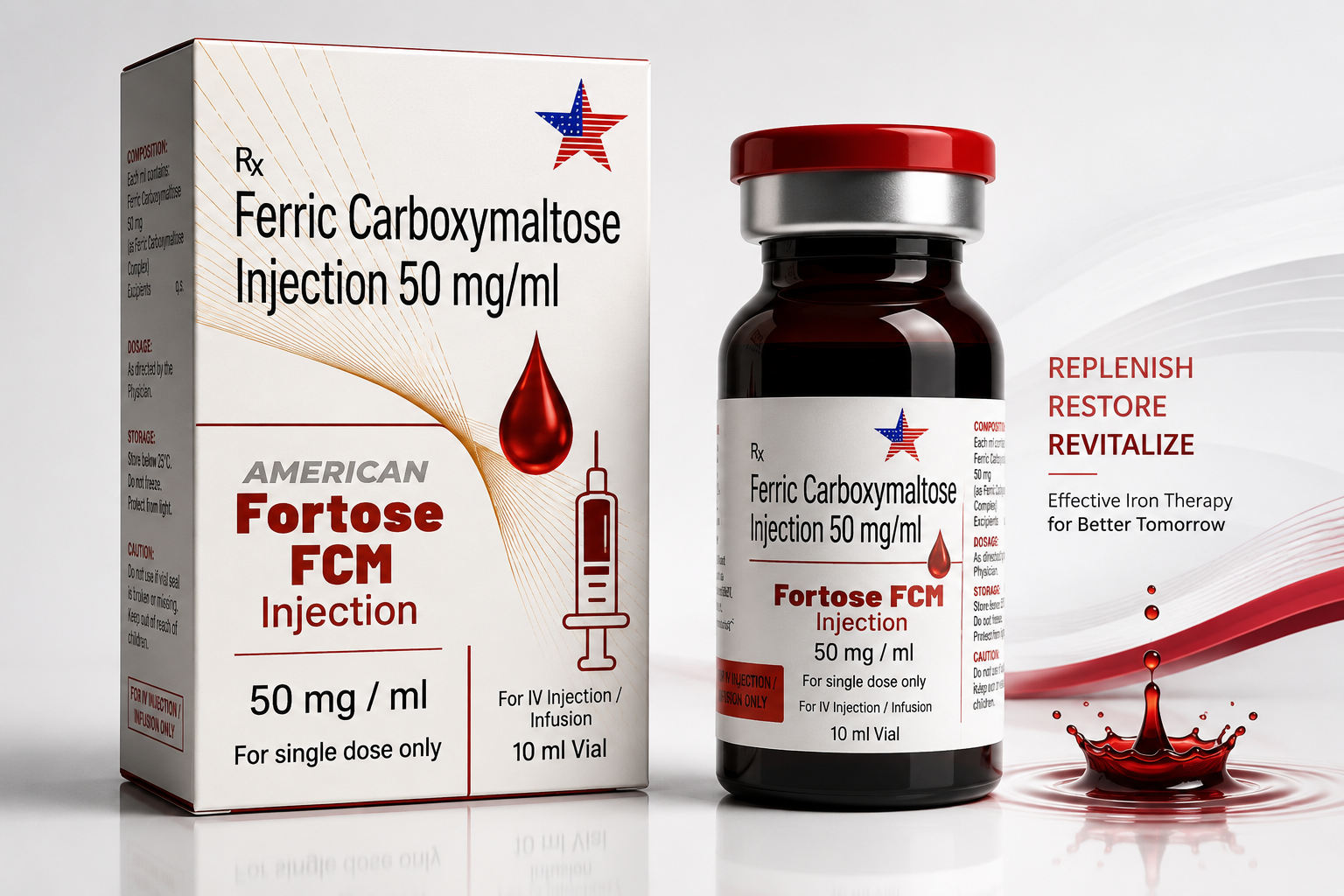
Fortose FCM Injection is for an intravenous iron therapy, typically containing Ferric Carboxymaltose (FCM). Here's what it's used for: 💉 Uses of Fortose FCM Injection Treatment of Iron Deficiency Anemia (IDA) Especially when: Oral iron supplements are ineffective or not tolerated Rapid iron replenishment is needed There's a need to avoid gastrointestinal side effects Commonly used in conditions like: Chronic Kidney Disease (CKD) Heavy menstrual bleeding Postpartum anemia Inflammatory bowel diseases (like Crohn’s or ulcerative colitis) Heart failure with reduced ejection fraction (HFrEF) (in some cases) ⚠️ Important Notes Given as an intravenous infusion or slow injection under medical supervision Dosing depends on body weight and severity of iron deficiency Side effects may include: Headache Nausea Injection site reactions Hypophosphatemia (low phosphate levels in blood)

68179d65be22ee500d53ff54 Card 2

product image
General Medicine

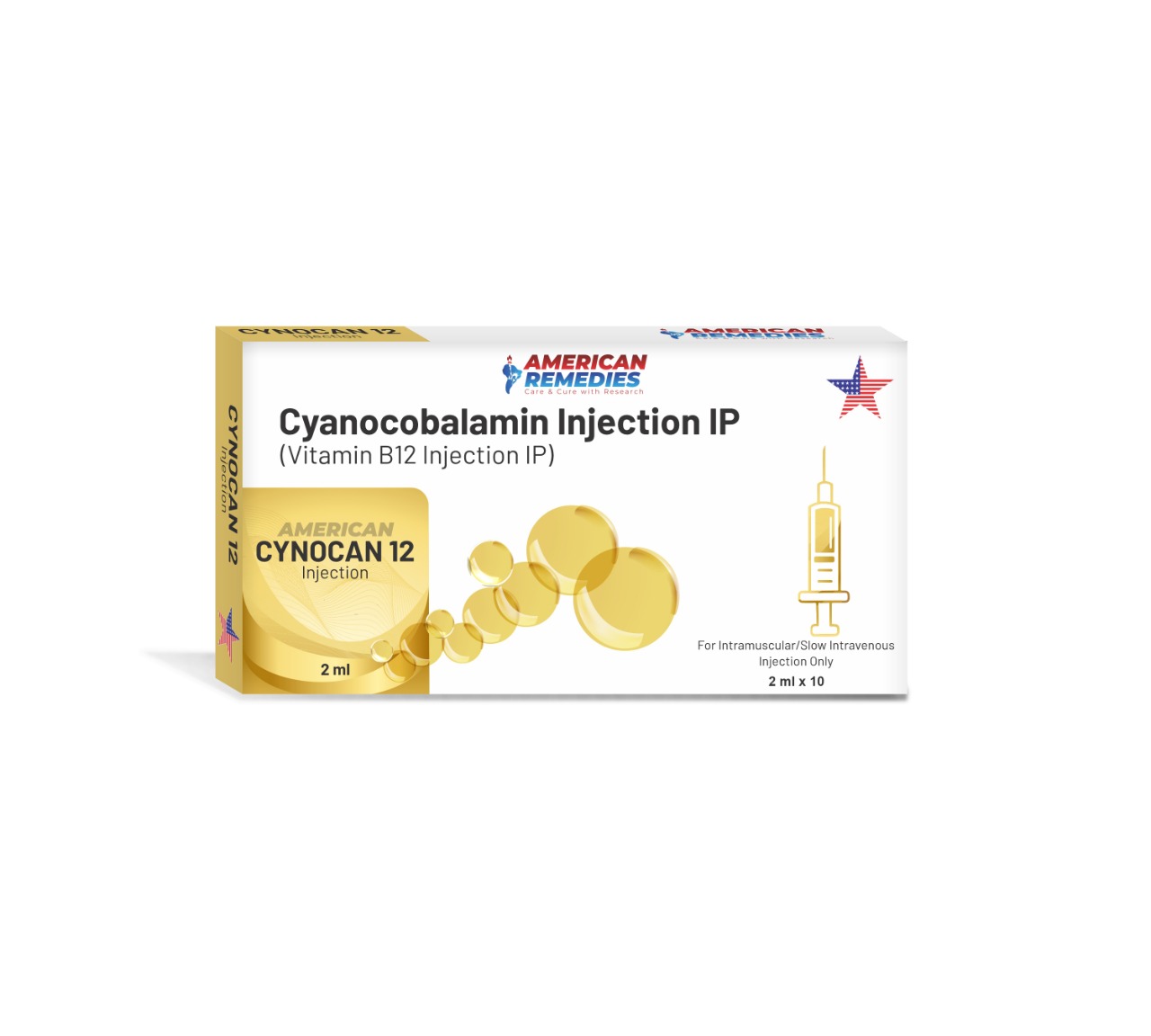
Cynocan 12 Injection is a brand of Cyanocobalamin (Vitamin B₁₂) used to treat and prevent vitamin B₁₂ deficiency. Cyanocobalamin is a synthetic form of vitamin B₁₂, which is essential for nerve function, red blood cell formation, and DNA synthesis. ________________________________________ 🩺 Medical Uses Cynocan 12 Injection is prescribed for: • Pernicious Anemia: A condition where the body cannot absorb vitamin B₁₂ due to a lack of intrinsic factor. • Vitamin B₁₂ Deficiency: Caused by dietary insufficiency, malabsorption, or certain medical conditions. • Neurological Symptoms: Such as numbness, tingling, or weakness in the limbs. • Fatigue and Weakness: Associated with low vitamin B₁₂ levels. • Megaloblastic Anemia: A blood disorder characterized by the presence of abnormally large red blood cells. ________________________________________ ⚙️ Mechanism of Action Cyanocobalamin is converted in the body to its active forms, methylcobalamin and adenosylcobalamin, which are involved in: • DNA Synthesis: Essential for proper cell division. • Red Blood Cell Formation: Prevents anemia. • Nerve Function: Maintains the health of nerve cells. ________________________________________ 💉 Administration and Dosage Cynocan 12 Injection is administered by a healthcare professional: • Intramuscular (IM) or Subcutaneous (SC) Injection: Typically given in a clinical setting. • Dosage: Varies based on the individual's condition and response to treatment. For specific dosing instructions, consult your healthcare provider. ________________________________________ ⚠️ Side Effects Common side effects may include: • Injection site reactions (pain, redness, swelling) • Headache • Nausea or vomiting • Dizziness • Fatigue Serious side effects are rare but can occur. Seek immediate medical attention if you experience symptoms like chest pain, shortness of breath, or swelling in the legs. ________________________________________ ⚠️ Precautions Before using Cynocan 12 Injection, inform your healthcare provider if you have: • Allergies to cyanocobalamin or any other components of the injection. • Leber's disease (a hereditary optic nerve disorder). • Kidney or liver disease. • A history of blood clots or stroke. Cyanocobalamin may interact with certain medications. Inform your doctor about all the medicines you are taking, including over-the-counter drugs and supplements.

68179d65be22ee500d53ff54 Card 2

product image
General Medicine

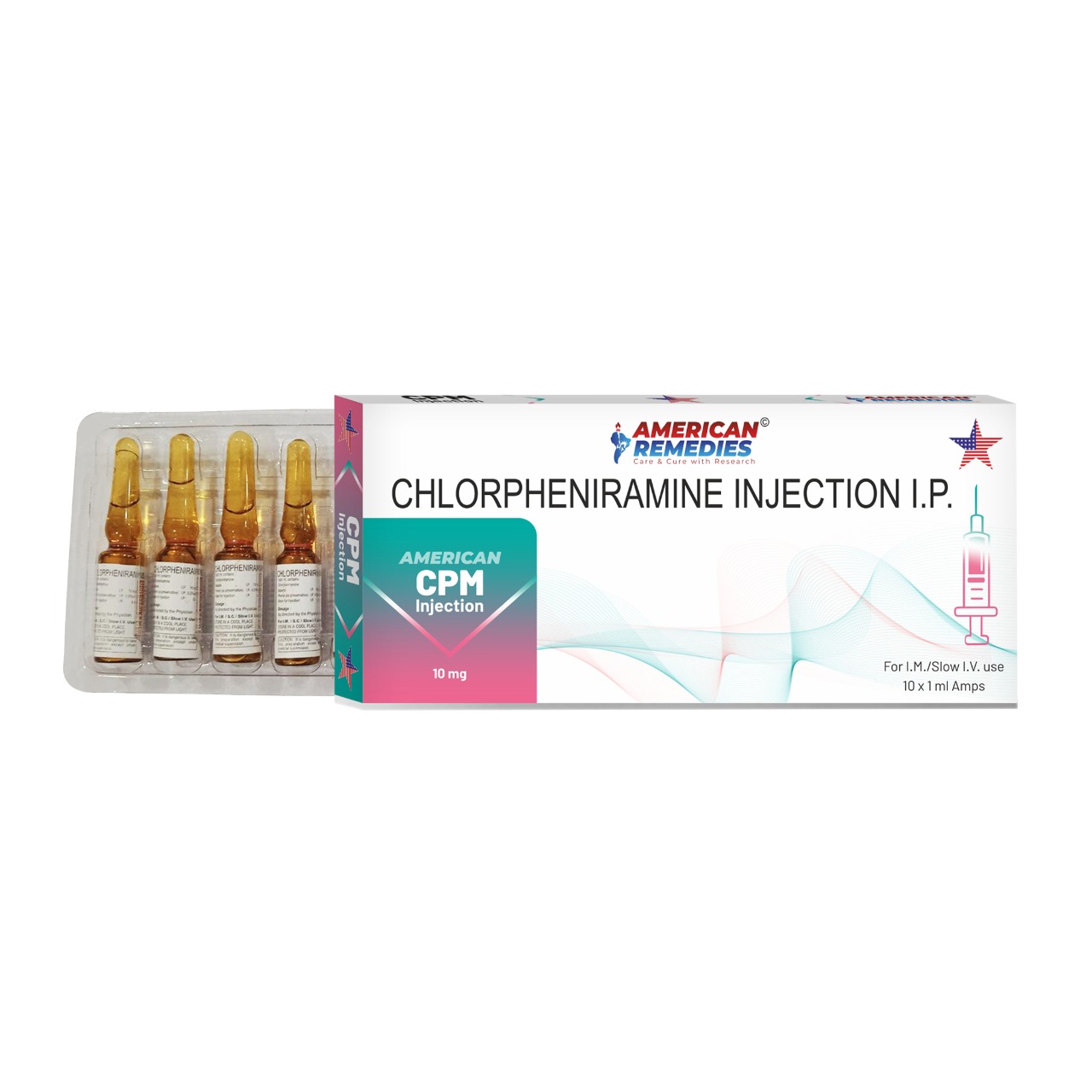
CPM Injection refers to Chlorpheniramine Maleate Injection, a first-generation antihistamine commonly used in clinical settings to manage allergic reactions and related conditions. It is available in various strengths, such as 4 mg, 10 mg, and 20 mg per vial, and is administered via intravenous (IV) or intramuscular (IM) injection. ________________________________________ 🩺 Medical Uses CPM Injection is employed to treat a range of allergic and hypersensitivity conditions, including: • Acute Allergic Reactions: Such as anaphylaxis, where rapid intervention is crucial. • Chronic Allergies: Including hay fever, allergic rhinitis, and conjunctivitis. • Skin Conditions: Like urticaria (hives), angioedema (swelling), and pruritus (itching). • Pre-Medication: Administered before blood transfusions or certain medications to prevent allergic reactions. • Motion Sickness: To alleviate symptoms associated with nausea and vomiting. • Common Cold Symptoms: Such as sneezing and runny nose. Its rapid onset makes it particularly valuable in emergency and hospital settings. ________________________________________ ⚙️ Mechanism of Action Chlorpheniramine Maleate works by blocking histamine receptors (H1 receptors) in the body. Histamine is a chemical involved in allergic responses; by inhibiting its action, CPM reduces symptoms like itching, swelling, and redness. ________________________________________ 💉 Administration and Dosage CPM Injection is administered by healthcare professionals: • Intravenous (IV) Injection: For rapid onset of action. • Intramuscular (IM) Injection: For sustained release and longer duration of effect. The dosage and frequency depend on the specific condition being treated, the patient's age, weight, and overall health status. It is crucial to follow the prescribing healthcare provider's instructions. ________________________________________ ⚠️ Precautions and Contraindications Before administering CPM Injection, inform the healthcare provider if the patient has: • Allergy: To chlorpheniramine or any other antihistamines. • Medical Conditions: Such as glaucoma, high blood pressure, or gastrointestinal issues. • Pregnancy or Breastfeeding: Discuss potential risks and benefits. CPM may cause drowsiness; therefore, activities requiring alertness, like driving, should be avoided during treatment. Alcohol consumption should also be limited, as it can exacerbate drowsiness. ________________________________________ ⚠️ Side Effects Common side effects may include: • Drowsiness or sedation. • Dizziness or lightheadedness. • Dry mouth. • Blurred vision. • Nausea or vomiting. If any side effects persist or worsen, consult a healthcare provider promptly.

68179d65be22ee500d53ff54 Card 2

product image
General Medicine

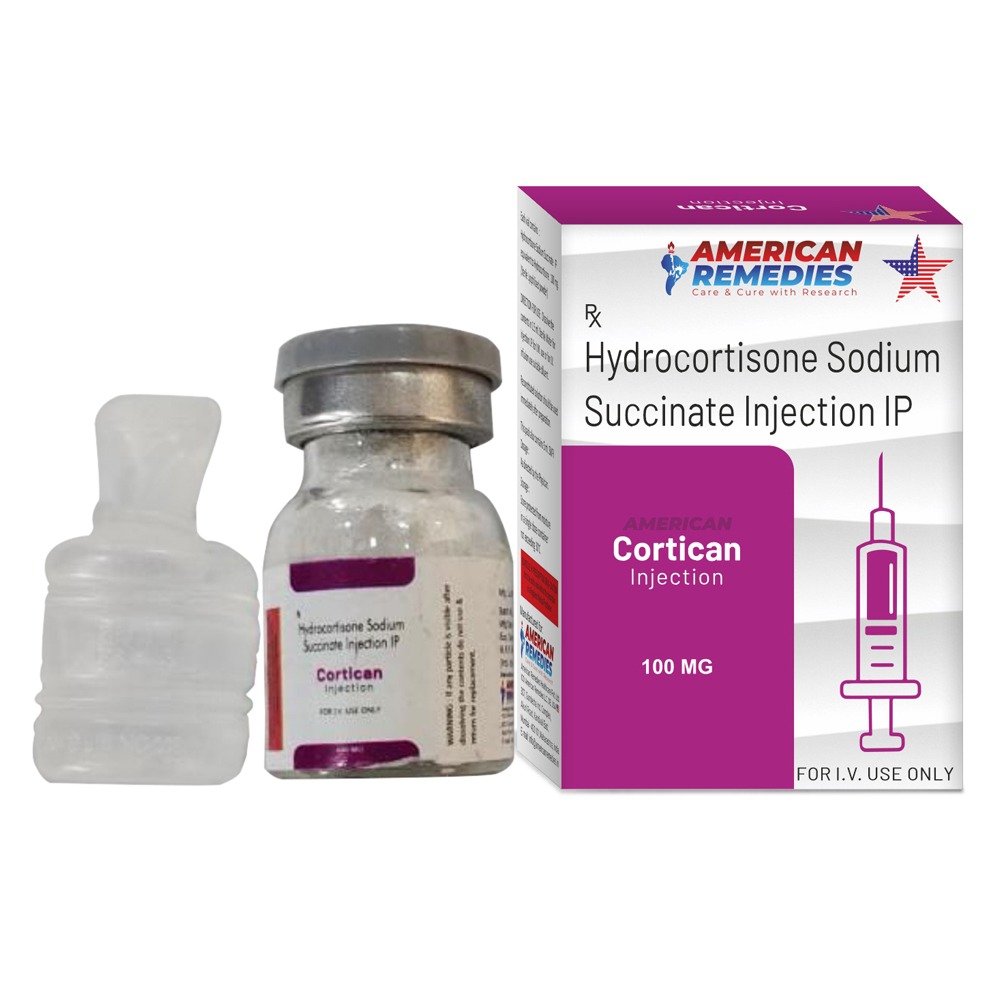
Cortican 100 Injection is a corticosteroid medication containing hydrocortisone, primarily used to treat various inflammatory and allergic conditions. It is administered under medical supervision and is not intended for self-administration. ________________________________________ 🩺 Primary Uses Cortican 100 Injection is employed in the management of: • Severe allergic reactions: Including anaphylaxis and status asthmaticus (severe asthma attacks). • Autoimmune disorders: Such as systemic lupus erythematosus (SLE) and Stevens-Johnson syndrome. • Inflammatory conditions: Including ulcerative colitis, Crohn’s disease, and rheumatoid arthritis. • Joint and tendon inflammations: Conditions like tennis elbow and bursitis. • Adrenal insufficiency: As a replacement therapy for cortisol in conditions like Addison’s disease. • Severe infections or trauma: To manage shock and inflammation resulting from infections or injuries. ________________________________________ ⚙️ Mechanism of Action Hydrocortisone, the active ingredient in Cortican 100, functions by: • Inhibiting the release of substances that cause inflammation, redness, and swelling. • Suppressing the immune system to reduce autoimmune reactions. • Replacing cortisol in the body when adrenal glands do not produce sufficient amounts. ________________________________________ ⚠️ Administration & Safety • Cortican 100 Injection should be administered by a healthcare professional. • It is typically given via intramuscular (IM), intravenous (IV), or intra-articular (joint) injection. • Patients should not self-administer this medication. • Before receiving this injection, inform your doctor if you have any infections, are pregnant or breastfeeding, or have been recently vaccinated. ________________________________________ ⚠️ Side Effects Common side effects may include: • Acne and increased hair growth. • Weight gain and fluid retention. • Dizziness, nausea, and indigestion. • Mood changes, including depression

68179d65be22ee500d53ff54 Card 2

product image
General Medicine

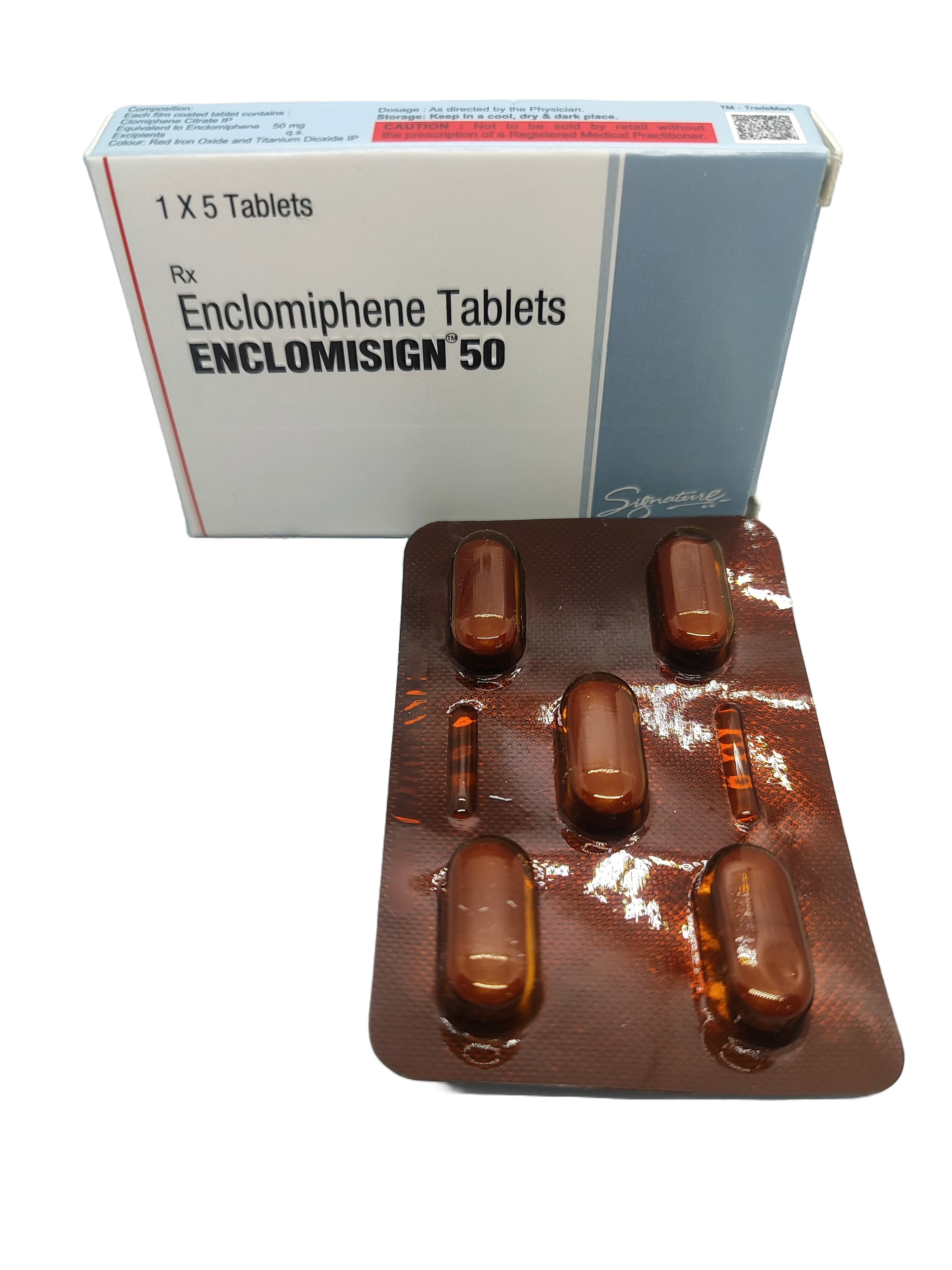
Enclomisign 50mg Tablet is a medicine used to treat female infertility. It is used particularly in women who are unable to become pregnant due ovulation problems or polycystic ovary syndrome (PCOS). It works by promoting the release of reproductive hormones. This helps stimulate the release of eggs from the ovary. Enclomisign 50mg Tablet may be taken with or without food. Take it regularly and at the same time every day to get the most benefit. Typically, this medicine is taken for a specific period during the menstrual cycle. It is important to strictly follow the prescribed schedule and dosage to maximize its benefits. The doctor may monitor and assess hormone levels regularly to track the response and adjust the dosage if necessary. The most common side effects of this medicine include nausea, vomiting, heavy bleeding at the initial stage, and weight gain. If you experience any of these side effects that do not go away or get worse, let your doctor know. They may be able to help by adjusting the dosage or by prescribing you an alternate medicine.

68179d65be22ee500d53ff54 Card 2

product image
General Medicine

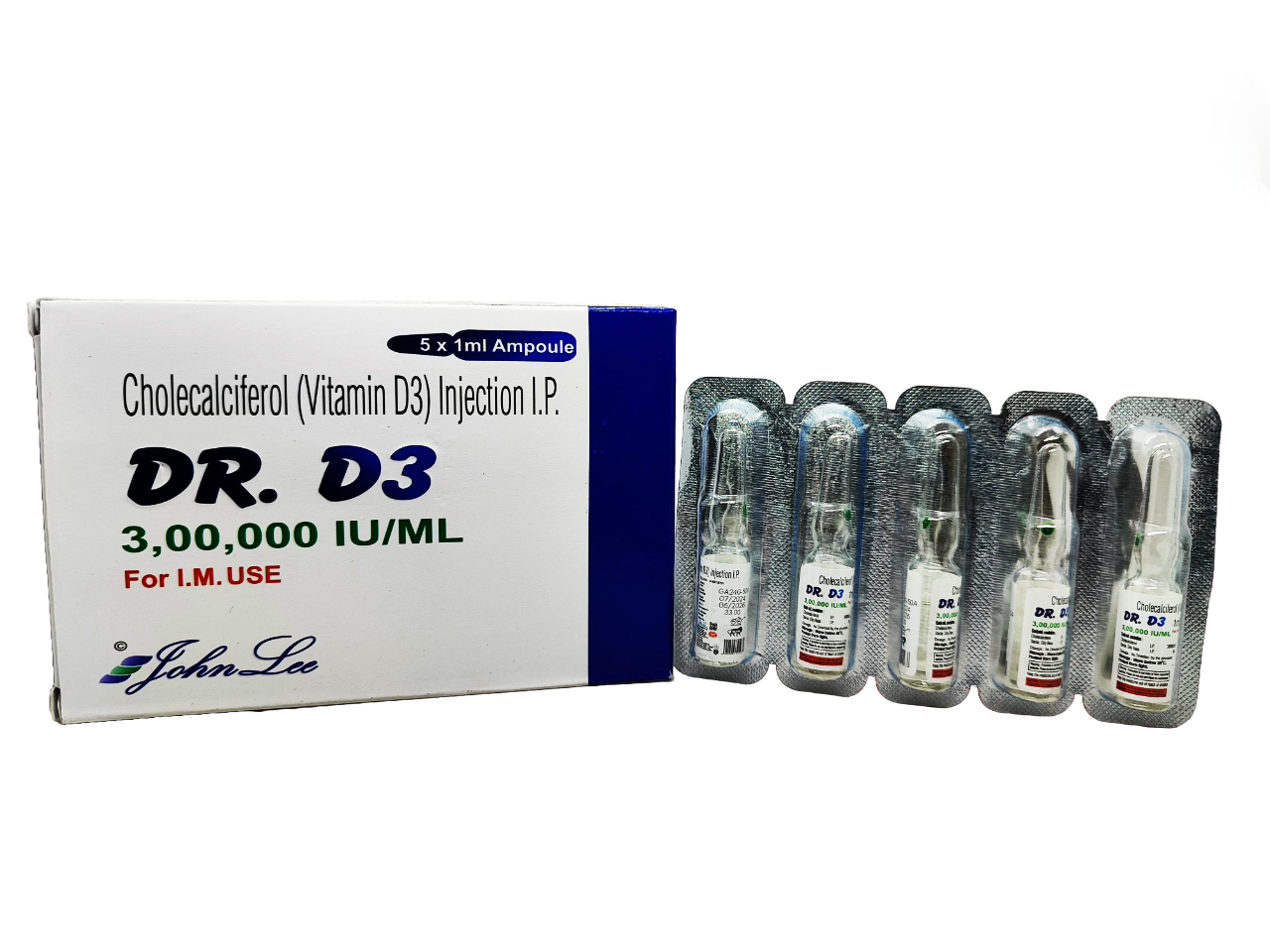
Dr. D3 Injection helps your body absorb calcium, which is important for maintaining strong bones. It is prescribed when your diet alone does not provide enough vitamin D. It may be used to treat certain bone conditions, such as thinning of the bones (osteoporosis). Dr. D3 Injection is generally given under the supervision of a doctor or a nurse and should not be self-administered. The doctor will decide the dose and duration of the treatment. If you are using it to treat osteoporosis, you may also be prescribed other medicines. This medicine may be only a part of a complete treatment program that includes changing your diet and taking calcium and vitamin supplements. Ask a doctor or dietitian about the foods you should eat to get enough calcium and vitamin D. There is limited data on the side effects of Dr. D3 Injection. However, some may experience mild injection site reactions like redness and swelling. Let your doctor know if you experience any symptoms while taking the medicine. They can suggest ways to treat or manage the side effects.

68179d65be22ee500d53ff54 Card 2

product image
General Medicine

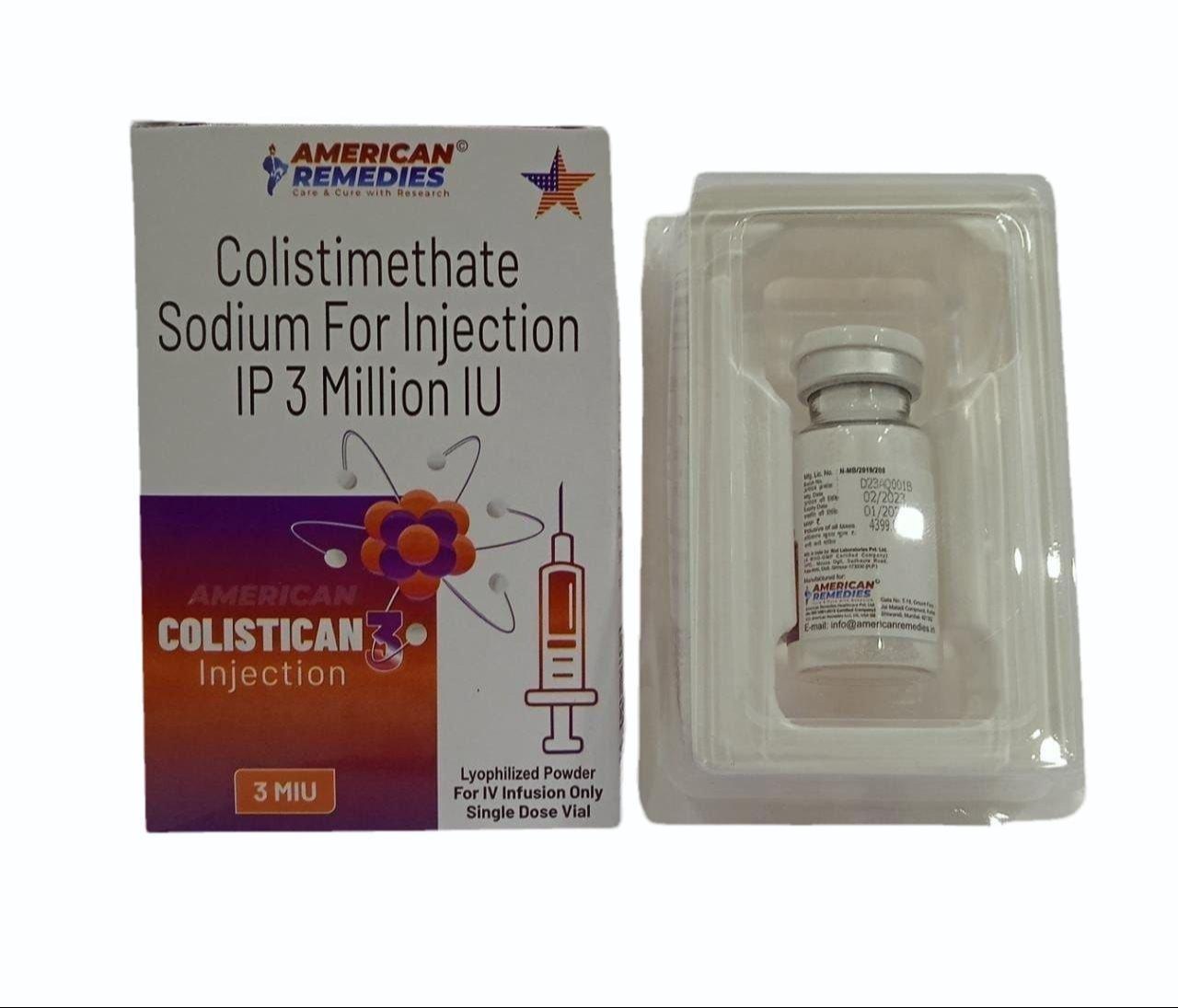
Colistican 3 Injection is an intravenous formulation containing Colistimethate Sodium 3 Million IU, manufactured by American Remedies. It is primarily used to treat severe infections caused by multidrug-resistant Gram-negative bacteria. ________________________________________ 🩺 Uses of Colistican 3 Injection Colistican 3 Injection is indicated for: • Ventilator-Associated Pneumonia (VAP): A lung infection acquired during mechanical ventilation. • Bloodstream Infections (Sepsis): Infections caused by resistant bacteria entering the bloodstream. • Urinary Tract Infections (UTIs): Caused by multidrug-resistant Gram-negative organisms. • Intra-abdominal Infections: Such as peritonitis. • Cystic Fibrosis: For chronic pulmonary infections due to Pseudomonas aeruginosa in both adults and children. ________________________________________ 💊 Mechanism of Action Colistimethate sodium is a prodrug that, upon administration, is converted to colistin. Colistin binds to the bacterial cell membrane, disrupting its structure and leading to cell death. It is particularly effective against aerobic Gram-negative bacteria with hydrophobic outer membranes. ________________________________________ ⚠️ Precautions and Side Effects Precautions: • Renal Function: Use with caution in patients with kidney impairment. • Neurological Effects: Monitor for signs of neurotoxicity, including dizziness and muscle weakness. • Pregnancy and Breastfeeding: Consult a healthcare provider before use during pregnancy or breastfeeding. Common Side Effects: • Injection site reactions • Renal toxicity • Neurological symptoms (e.g., confusion, dizziness) • Gastrointestinal disturbances (e.g., nausea, vomiting) • Muscle weakness

68179d65be22ee500d53ff54 Card 2

product image
General Medicine

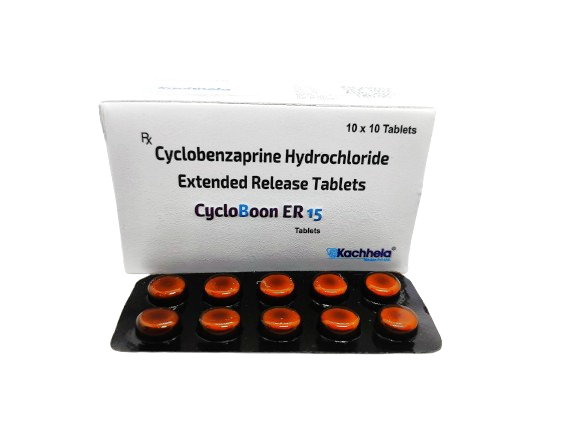
Cycloboon ER 15 Tablet is a muscle relaxer. It provides relief from the discomfort associated with acute, painful musculoskeletal conditions such as rigidity, tension, stiffness, and muscle spasms. Cycloboon ER 15 Tablet should be taken with food. This will prevent you from getting an upset stomach. In general, you should try to use the smallest amount necessary to control your symptoms, for the shortest possible time. You should take this medicine regularly while you need it. Try not to miss doses as this will make the medicine less effective. Some common side effects of this medicine include sleepiness, dryness in the mouth, tiredness, and headache. If any of these side effects do not go away or get worse, you should let your doctor know. Your doctor may be able to suggest ways of preventing or reducing the symptoms.

Phone Number

+919359902383

Mon-Thu: 10 AM - 2 PM • Fri: 3 PM - 7AM

Other Website Visit our other website
Address London, UK

UK, United Kingdom, 1