
Heart Attack Warning Signs: Why Every Minute Matters
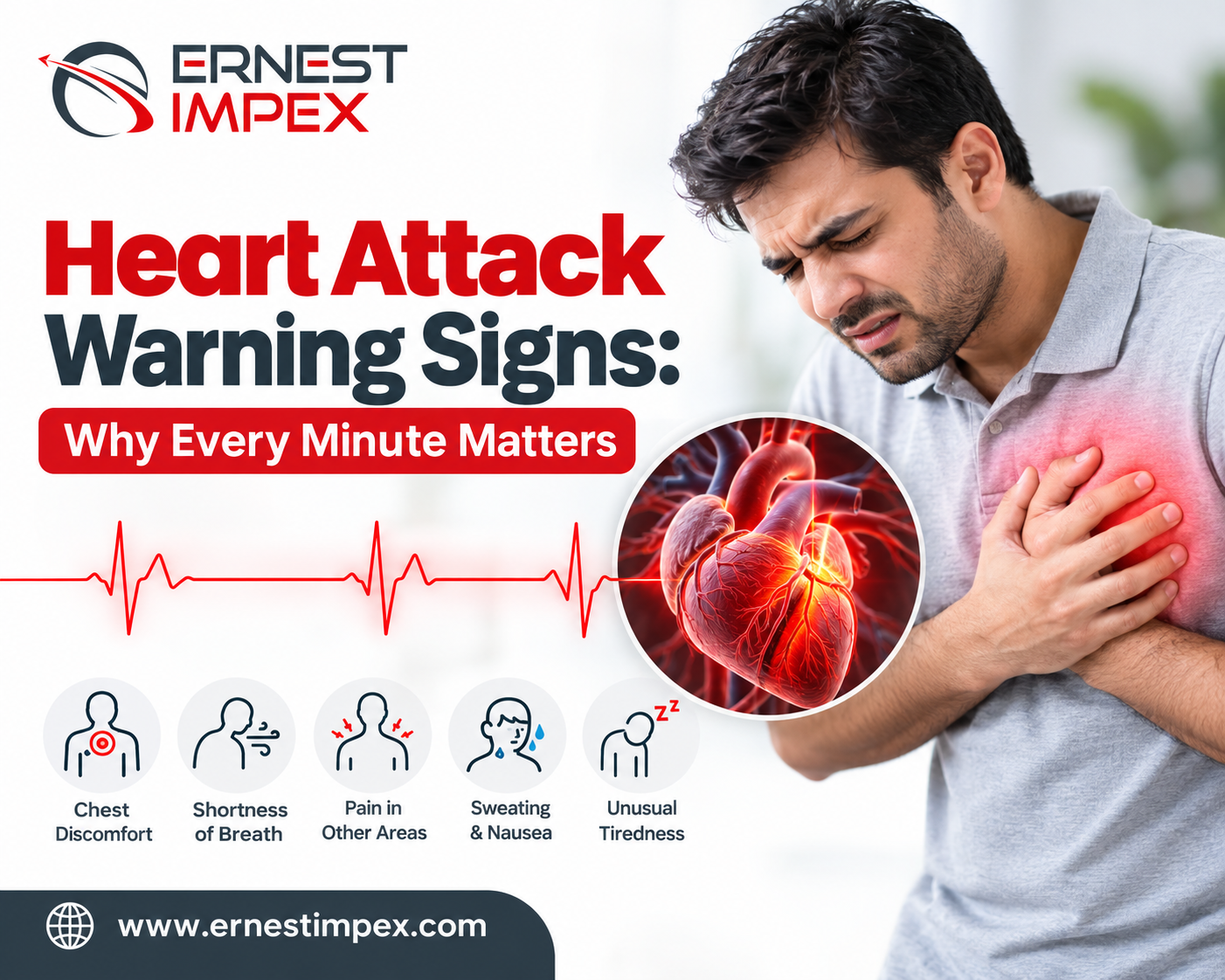
A heart attack may begin with symptoms that seem harmless at first. A person might notice mild chest pressure, difficulty breathing, or unusual weakness and mistake these signs for a common health problem. Ignoring such changes can delay the medical attention they may need. Recognising heart attack symptoms early is important because the condition does not affect everyone in the same way. While some people experience sudden chest pain, others may develop less noticeable symptoms that are easy to overlook. Understanding these warning signs and the importance of timely medical care can help people respond quickly and reduce the risk of serious heart damage.
What Happens When Heart Attack Treatment Is Delayed?
The heart needs blood and oxygen to keep working. Small blood vessels called coronary arteries deliver this blood to the heart muscle. Sometimes, a blood clot blocks one of these arteries. When this happens, part of the heart may stop receiving enough oxygen. The affected muscle can begin to suffer damage. As the blockage continues, the damage may spread. This explains why every minute matters during a heart attack. Early medical attention can help doctors improve blood flow to the heart and reduce the risk of serious damage. Waiting at home to see whether the discomfort disappears can waste valuable time.
Heart Attack Symptoms That Are Easy to Overlook
A heart attack is often associated with intense chest pain, but its symptoms can vary from person to person. Although this can happen, the experience is different for everyone. Some warning signs of a heart attack may appear gradually.
A Strange Feeling in the Chest
The chest may feel unusually heavy, tight or uncomfortable. Some people describe pressure rather than pain.
Breathing Becomes Difficult
A person may suddenly struggle to breathe comfortably, even without doing anything physically demanding.
Discomfort Away From the Chest
Pain or discomfort may be felt in the shoulders, arms, neck, jaw, back or upper abdomen.
Sweating Without an Obvious Reason
Sudden cold sweats, especially when combined with chest discomfort, may indicate a possible heart attack.
Feeling Sick or Light-Headed
Some people may also feel sick to their stomach, become light-headed or feel as though they might pass out. These symptoms do not always appear together. Even one concerning symptom may require urgent attention, especially when it is new or unexplained.
Can a Heart Attack Feel Like an Ordinary Health Problem?
One reason people delay seeking help is that heart-related discomfort can resemble other conditions. For example, pressure in the upper stomach may be confused with indigestion. Chest discomfort is sometimes confused with a strained muscle, while unexpected tiredness may be seen as a result of daily activities. However, early signs of a heart attack should never be dismissed simply because they seem mild. Some people experience symptoms that come and go. Others may have little or no noticeable chest pain. Women, older adults and people living with diabetes may experience less typical symptoms. Because it is difficult to identify the cause without medical testing, suspected heart attack symptoms need emergency assessment.
What to Do If Someone May Be Having a Heart Attack
When someone experiences unusual chest discomfort, seeking medical help quickly is more important than trying to identify the cause at home. It is to arrange emergency medical care.
Here are important steps to take during a heart attack:
Help the Person Rest
Ask the person to stop what they are doing and remain in a comfortable position while help is arranged.
Do Not Delay for Home Remedies
Avoid waiting for antacids, water or other home treatments to work. These cannot treat a blocked coronary artery.
Be Ready to Respond
If the person becomes unresponsive and is not breathing normally, begin CPR and use an automated external defibrillator if available, following emergency instructions. Seeking medical help without delay is safer than waiting to find out what is causing the symptoms.
What Happens After Reaching the Hospital?
When a patient arrives with possible heart attack symptoms, healthcare professionals work to understand what is happening. An ECG records the heart's electrical activity and can help identify certain types of heart attacks. Doctors may also check troponin levels through a blood test to find out whether the heart muscle has been damaged. Depending on the findings, doctors may recommend medicines or a procedure to reopen a blocked blood vessel. One such procedure is angioplasty. A small balloon is used to widen the affected artery, and a stent may be placed to help keep it open. The goal of emergency heart attack treatment is to restore blood supply as quickly and safely as possible.
Everyday Choices That Support Heart Health
Taking care of your heart through healthy daily habits can help lower the risk of heart problems and support long-term health. Simple habits can make a difference over time. Walking regularly, eating a variety of nutritious foods and avoiding tobacco can support cardiovascular health. It is also important to monitor blood pressure, cholesterol and blood sugar when recommended. People who already have heart disease should continue their prescribed medicines and attend regular medical appointments. These habits cannot eliminate every risk, but they can help reduce the likelihood of future heart problems.
Frequently Asked Questions
1. How do heart attack symptoms usually begin?
Heart attack symptoms** may begin with chest pressure, breathing difficulty, sweating or discomfort in the upper body. They can develop suddenly or gradually.
2. Is chest pain always present during a heart attack?
No. Some people experience a heart attack without chest pain. Breathlessness, nausea, fatigue or discomfort elsewhere in the body may be more noticeable.
3. Can heart attack symptoms disappear and return?
Yes. Heart attack warning signs may come and go. Temporary improvement does not mean the problem has resolved.
4. Should someone sleep if they suspect a heart attack?
No. If a heart attack is suspected, the person should receive emergency medical assessment rather than trying to sleep through the symptoms.
5. Why is immediate medical attention necessary?
Immediate heart attack treatment can help restore circulation, reduce damage to the heart muscle and improve the chance of recovery.