Australia
+919359902383
+919359902383

eye care

68179d65be22ee500d53ff54 Card 2

product image
Eye Care

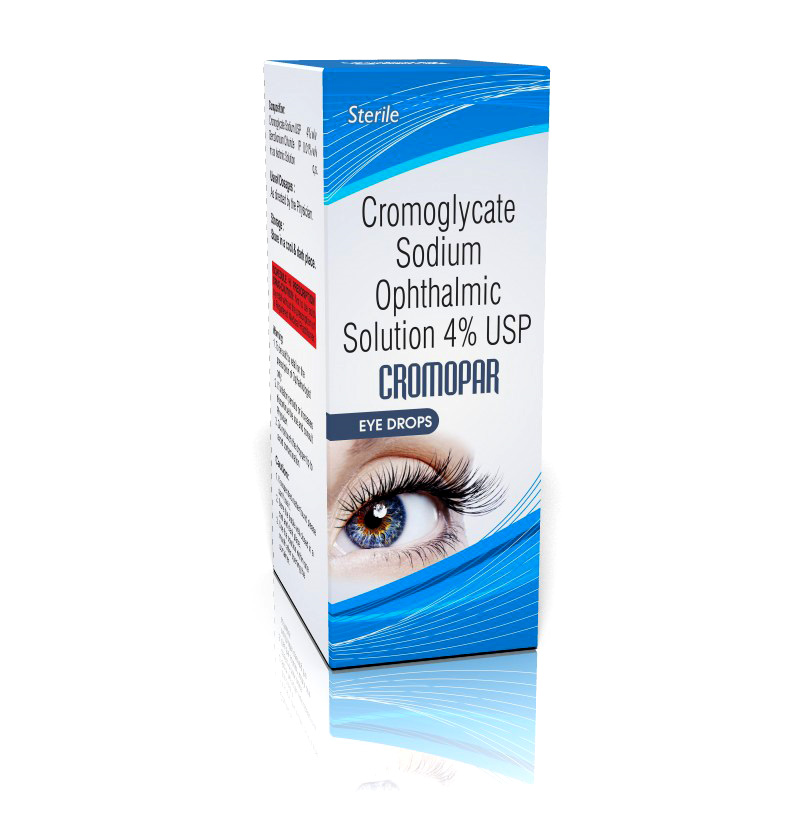
Cromoglicate 4% Eye Drops (Cromopar) are used primarily for the prevention and treatment of allergic eye conditions. Here's an overview of how it works and when it’s typically used: 🔹 Primary Uses Allergic Conjunctivitis Cromoglicate (also known as Sodium Cromoglycate) is a mast cell stabilizer that helps to prevent the release of histamine and other inflammatory mediators. This makes it effective for treating eye allergies such as: Seasonal Allergies (e.g., pollen) Perennial Allergies (e.g., dust, pet dander) Preventing Eye Symptoms of Allergies Relieves symptoms such as itchiness, redness, watering, and swelling associated with allergic reactions in the eyes. 🔹 How It Works Cromoglicate works by stabilizing mast cells in the eye, which are responsible for releasing histamine during allergic reactions. By preventing this release, the eye drop reduces inflammation and relieves allergy symptoms. ⚠️ Common Side Effects Temporary burning or stinging after application Mild eye irritation Blurred vision (typically short-term) Dryness in the eye (rare) 🔹 Usage Tips Frequency: Usually, 1 drop in each eye 4 times a day (or as prescribed by your doctor). Application: Wash your hands before use. Tilt your head back and pull down your lower eyelid. Drop the medication into the pocket formed by your lower eyelid. Close your eye gently and blink to spread the solution. Avoid touching the dropper tip to your eye or any surface to prevent contamination. Duration: It works best when used regularly (even when you’re not experiencing symptoms) to prevent allergic reactions. 🔹 Precautions Contact Lenses: Wait at least 15 minutes before putting your contact lenses back in. Consistency: The drops should be used regularly to manage symptoms, and the full course should be completed even if symptoms improve. Avoid: If you have sensitivity to any ingredients, consult your doctor before use.

68179d65be22ee500d53ff54 Card 2

product image
Eye Care

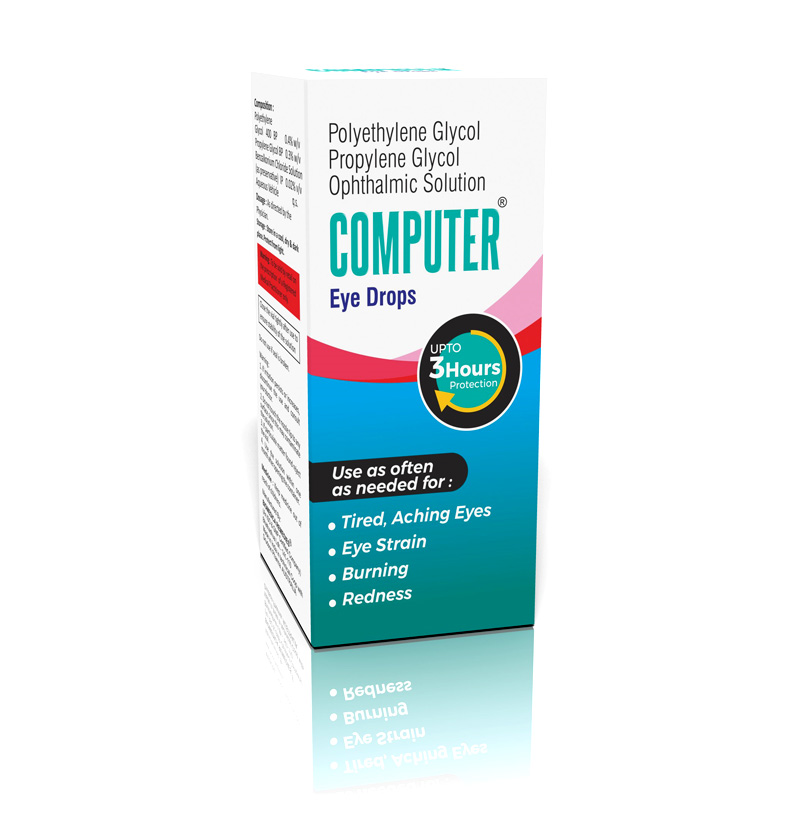
Computer Eye Drops containing Polyethylene Glycol (PEG) and Propylene Glycol are lubricant eye drops (also called artificial tears) used to relieve symptoms of dry eye—especially due to digital eye strain or prolonged screen time. 🔹 Primary Uses Dry Eye Syndrome Provides moisture and lubrication to relieve dryness, grittiness, or irritation in the eyes. Computer Vision Syndrome (CVS) / Digital Eye Strain Ideal for people spending long hours in front of screens, which reduces blinking and leads to dry eyes. Environmental Eye Irritation Soothes eyes affected by wind, smoke, air conditioning, or low humidity. Contact Lens Discomfort (if the formulation is approved for lens wear) Some PEG/propylene glycol drops are safe to use with lenses. 🔹 How It Works Polyethylene Glycol and Propylene Glycol are humectants and lubricants. They form a protective film on the eye surface that retains moisture and soothes irritation. ⚠️ Common Side Effects Temporary blurred vision after application Mild burning or stinging Watery eyes (reflex tearing) 🔹 Usage Tips Usually used as needed, often 1–2 drops per eye Blink gently to spread the drop evenly Do not touch the dropper tip to the eye Wait 10–15 minutes before inserting contact lenses (if compatible)

68179d65be22ee500d53ff54 Card 2

product image
Eye Care

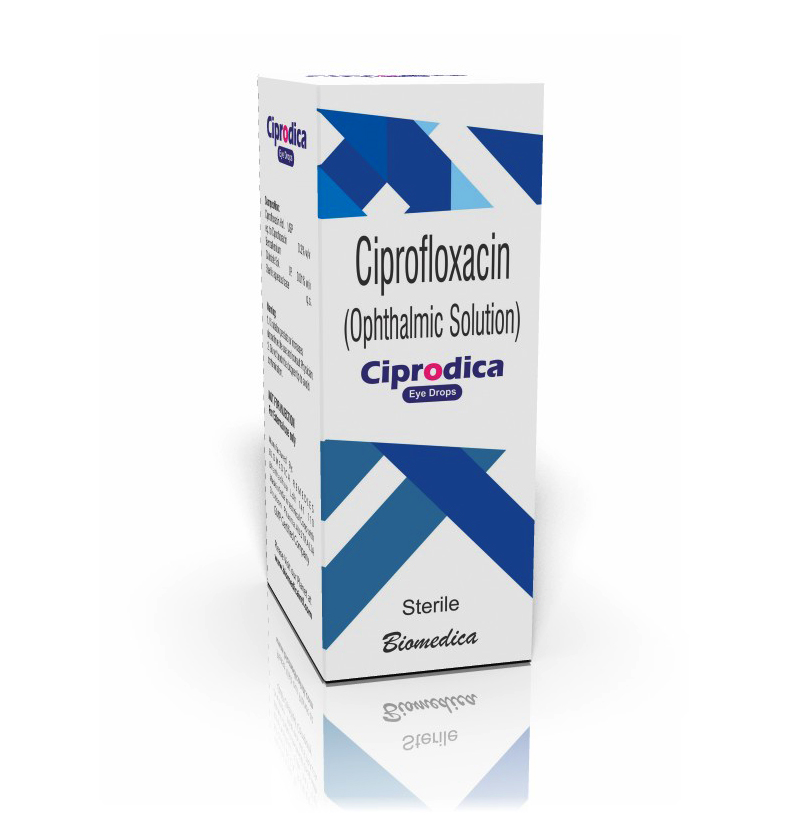
CIPRODICA Ciprofloxacin Eye Drops are a combination medication used to treat bacterial eye infections, particularly when inflammation is present. Here's a detailed overview: 🔹 Composition Ciprofloxacin 0.3%: An antibiotic that inhibits bacterial DNA replication, effectively treating bacterial infections. Dexamethasone 0.1%: A corticosteroid that reduces inflammation, alleviating symptoms like redness, swelling, and discomfort. 🔹 Primary Uses Bacterial Conjunctivitis Inflammation of the conjunctiva (the membrane covering the white part of the eye) due to bacterial infection. Corneal Ulcers (Keratitis) Infections of the cornea, often resulting from trauma or contact lens use. Post-Surgical or Post-Trauma Infections with Inflammation Prevents or treats infections and associated inflammation following eye surgeries or injuries. 🔹 How It Works Ciprofloxacin: A fluoroquinolone antibiotic that targets and kills bacteria by inhibiting their DNA replication. Dexamethasone: A corticosteroid that suppresses the immune response, reducing inflammation and associated symptoms.

68179d65be22ee500d53ff54 Card 2

product image
Eye Care

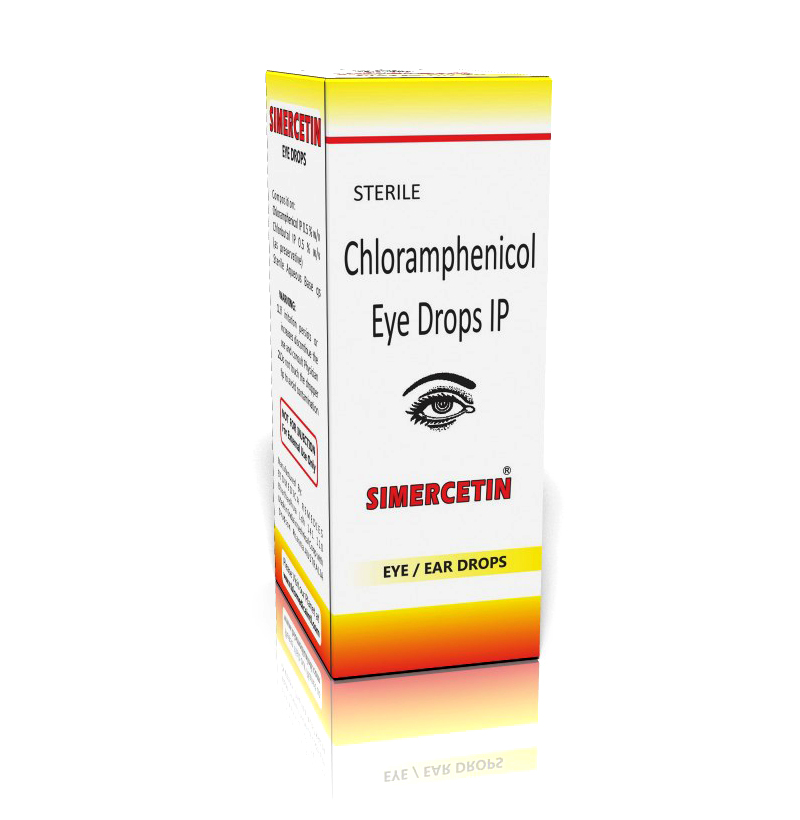
Simercetin 5ml Eye Drops containing Chloramphenicol Eye Drops IP are an antibiotic eye medication used to treat bacterial eye infections. 🔹 Primary Uses Bacterial Conjunctivitis (Pink Eye) Treats redness, swelling, discharge, and irritation caused by bacterial infection. Bacterial Blepharitis Helps reduce inflammation and infection in the eyelids. Prevention or Treatment of Eye Infections After Injury or Surgery Sometimes used after eye trauma or surgery to prevent secondary bacterial infections. 🔹 How It Works Chloramphenicol is a broad-spectrum antibiotic. It works by inhibiting bacterial protein synthesis, stopping bacterial growth.

68179d65be22ee500d53ff54 Card 2

product image
Eye Care

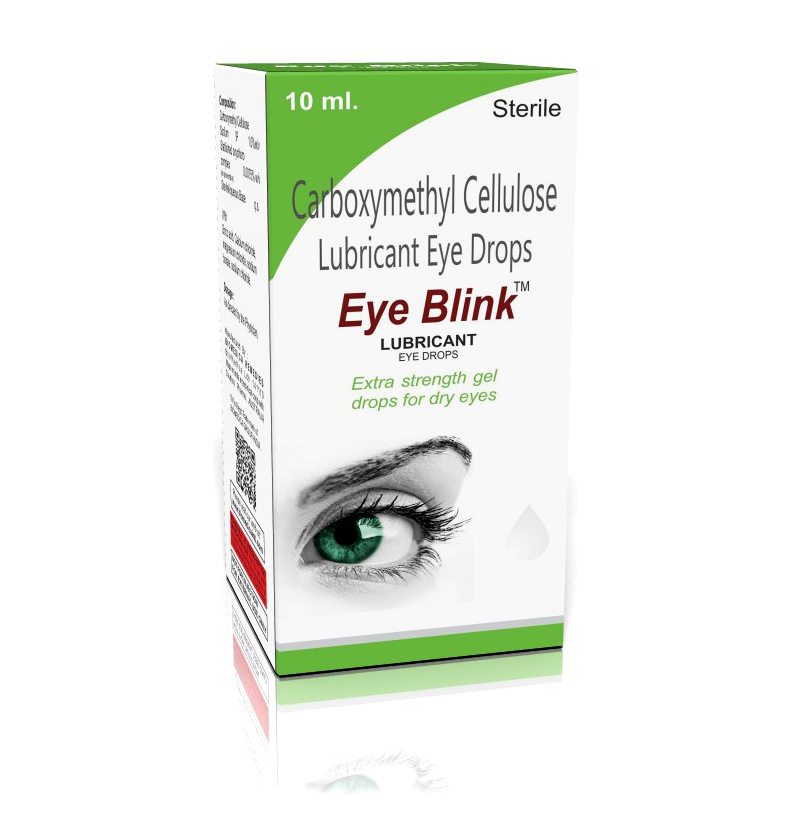
Eye Blink Carboxymethyl Cellulose 1% Lubricant Eye Drops are used to relieve dryness and irritation in the eyes. Here's a clear breakdown: 🔹 Primary Uses Dry Eye Syndrome Helps soothe and lubricate eyes that feel dry, gritty, or tired. Computer Vision Syndrome / Screen Fatigue Used to refresh and moisten eyes strained from long screen time. Environmental Eye Irritation Protects eyes from wind, smoke, pollution, or air conditioning. Post-Surgery or Contact Lens Use (as advised) Sometimes recommended after eye procedures or with contact lens wear (only if approved for contact use). 🔹 How It Works Carboxymethyl Cellulose (CMC) is a lubricating agent that mimics natural tears. Forms a protective, soothing film on the eye surface, reducing friction and keeping the eyes moist.

68179d65be22ee500d53ff54 Card 2

product image
Eye Care

Bromfenac Ophthalmic Solution (Fenac 5ml) — Uses Bromfenac is a non-steroidal anti-inflammatory drug (NSAID) used mainly in eye care for: Post-Cataract Surgery Inflammation Reduces pain, redness, and swelling after eye surgery. Commonly used once or twice a day post-op to prevent complications. Treatment and Prevention of Ocular Pain Controls mild to moderate eye pain due to surgery or non-infectious causes. Cystoid Macular Edema (off-label use) Sometimes used to reduce the risk of this post-surgery complication, especially in diabetic or high-risk patients. 🔹 How It Works Bromfenac inhibits cyclooxygenase (COX-1 and COX-2) enzymes, which are involved in producing prostaglandins — the chemicals that cause inflammation and pain.

68179d65be22ee500d53ff54 Card 2

product image
Eye Care

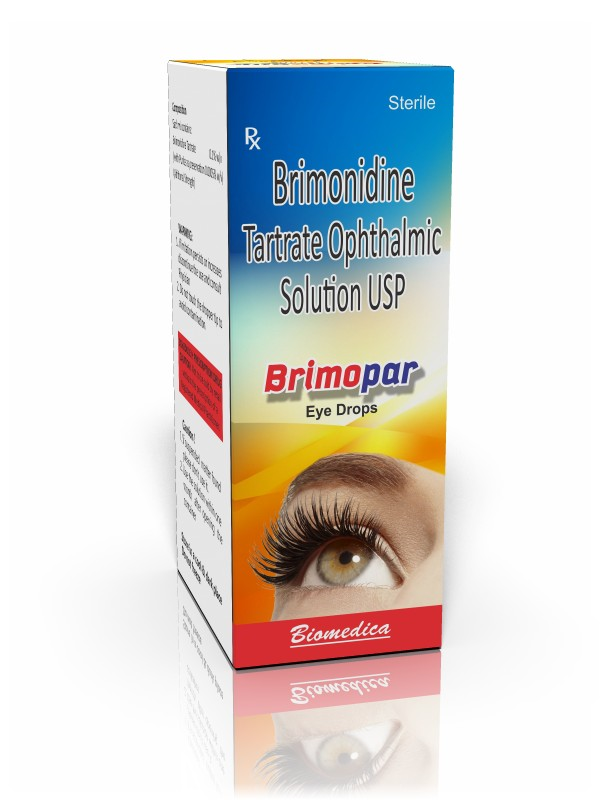
Brimonidine Tartrate 0.1% Eye Drops are primarily used in eye care to reduce intraocular pressure (IOP). Here's a detailed overview of its uses: 🔹 Primary Uses Open-Angle Glaucoma Lowers elevated eye pressure to prevent damage to the optic nerve and preserve vision. Ocular Hypertension Reduces high eye pressure in patients who don't yet have glaucoma but are at risk. 🔹 How It Works Brimonidine is an alpha-2 adrenergic receptor agonist, and it helps: Decrease the production of aqueous humor (the fluid inside the eye) Increase uveoscleral outflow (fluid drainage from the eye) The 0.1% formulation contains lower levels of preservative (like benzalkonium chloride), making it more tolerable for long-term use and in people with sensitive eyes.

68179d65be22ee500d53ff54 Card 2

product image
Eye Care

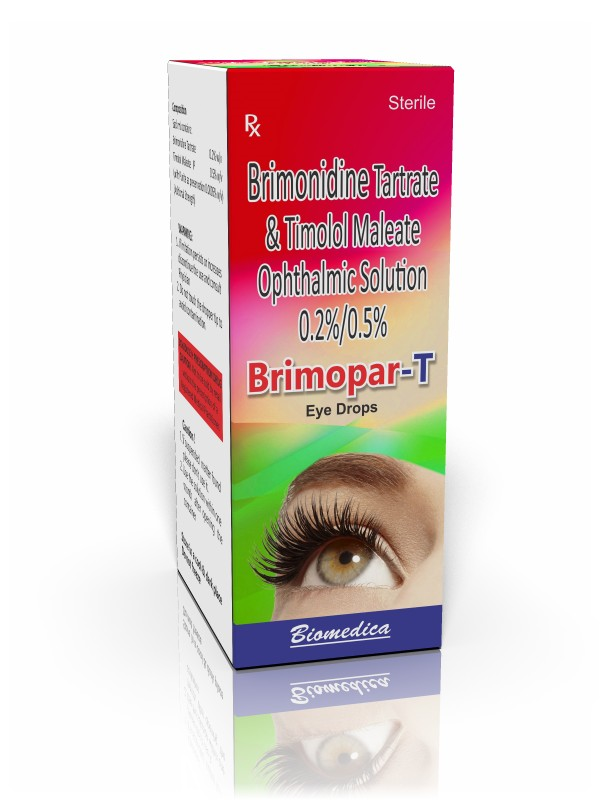
Brimonidine & Timolol Eye Drops are a combination medication used to manage intraocular pressure (IOP) in conditions like: 🔹 Primary Uses Open-Angle Glaucoma Helps prevent damage to the optic nerve by lowering eye pressure. Ocular Hypertension Used when eye pressure is high but hasn't yet caused optic nerve damage or vision loss. 🔹 How It Works This combo targets eye pressure in two ways: Brimonidine (an alpha-2 adrenergic agonist): Reduces aqueous humor production Increases uveoscleral outflow (fluid drainage) Timolol (a beta-blocker): Decreases aqueous humor production Together, they work more effectively than either drug alone to lower IOP.

68179d65be22ee500d53ff54 Card 2

product image
Eye Care

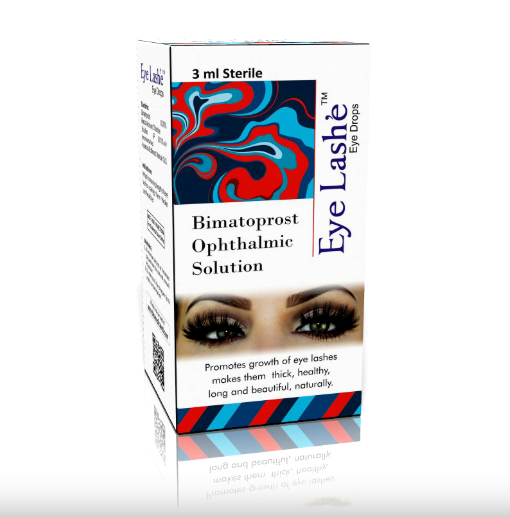
Bimatoprost Ophthalmic Solution is mainly used in eye care and cosmetic treatment. Here’s a full breakdown: 🔹 Medical Uses Open-Angle Glaucoma Reduces intraocular pressure (IOP) by increasing the outflow of aqueous humor from the eye. Helps prevent optic nerve damage and vision loss. Ocular Hypertension Lowers high pressure in the eye, which can lead to glaucoma if left untreated. 🔹 Cosmetic Use Eyelash Hypotrichosis (insufficient or thin eyelashes) Bimatoprost 0.03% (brand name Latisse in many countries) is used to: Lengthen eyelashes Thicken them Darken the lash color 🔹 How It Works Bimatoprost is a prostaglandin analog. It mimics natural prostamides in the body to: Increase fluid drainage from the eye (medical use) Stimulate hair growth in eyelash follicles (cosmetic use) ⚠️ Common Side Effects Eye redness or irritation Itchy eyes Dry eyes Eyelid darkening Increased brown pigment in the iris (usually permanent)

68179d65be22ee500d53ff54 Card 2

product image
Eye Care

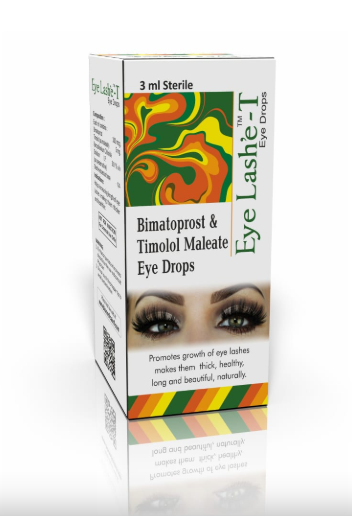
Bimatoprost & Timolol eye drops are a combination medication primarily used to treat glaucoma and ocular hypertension (high pressure inside the eye). Here's a breakdown of what they do: 🔹 Primary Uses Open-Angle Glaucoma Lowers intraocular pressure (IOP) to help prevent optic nerve damage and vision loss. Ocular Hypertension Reduces pressure inside the eye when it's higher than normal but not yet causing glaucoma. 🔹 How They Work Bimatoprost (a prostaglandin analog): Increases the outflow of aqueous humor (the fluid in the eye), reducing pressure. Timolol (a beta-blocker): Decreases the production of aqueous humor, also helping to lower intraocular pressure. Together, they effectively reduce eye pressure more than either one alone.

68179d65be22ee500d53ff54 Card 2

product image
Eye Care

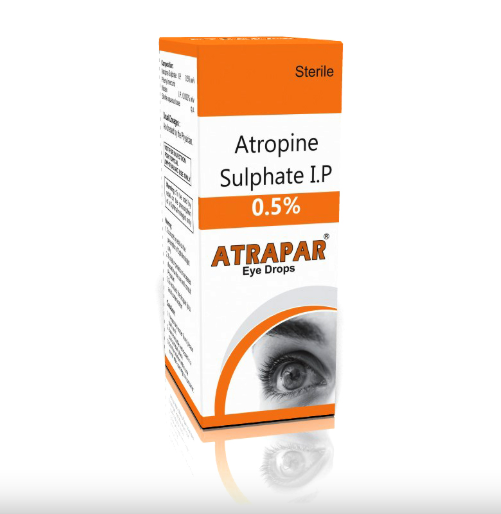
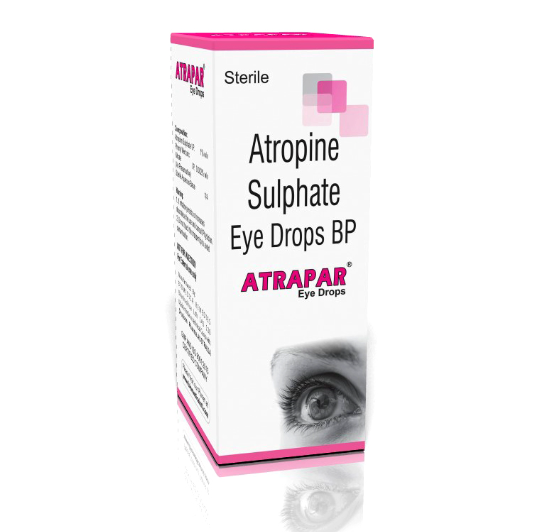
Atropine Sulphate Eye Drops IP refers to atropine sulfate in its pharmaceutical grade form, used specifically for ocular (eye) treatments. 'IP' stands for Indian Pharmacopoeia, which is a set of standards for medicines in India, ensuring quality, safety, and efficacy. Uses of Atropine Sulphate Eye Drops IP: Pupil Dilation (Mydriasis): One of the most common uses of atropine eye drops is to dilate the pupil for diagnostic purposes, especially during an eye examination. The drops relax the muscles in the eye, allowing for better visibility of the retina and optic nerve. Treatment of Uveitis and Iritis: Atropine is frequently prescribed for conditions such as uveitis and iritis (inflammation of the iris). The medication helps relieve pain and inflammation and prevents the iris from sticking to the lens. This is important to avoid complications like synechiae (adhesions between the iris and lens). Cycloplegia: Cycloplegia is the paralysis of the ciliary muscle that controls focusing. Atropine is used to temporarily paralyze this muscle during eye exams to assess the retina or the overall refractive status of the eye. Prevention of Post-Surgical Complications: After certain eye surgeries, atropine can help in preventing the formation of adhesions between the iris and the lens, which can occur after surgery like cataract surgery. It aids in recovery and minimizes the risk of complications. Management of Myopia (Nearsightedness): In some cases, atropine drops have been used in research to slow the progression of myopia (nearsightedness) in children, though this is less common in routine practice. How It Works: Atropine is an anticholinergic drug that blocks the action of acetylcholine, a neurotransmitter involved in eye muscle contraction. By inhibiting the contraction of the pupil’s sphincter muscle and the ciliary muscle, atropine causes pupil dilation and paralysis of accommodation, allowing for eye relaxation and easier examination. Dosage: The dosage depends on the condition being treated. Typically, for eye exams, one or two drops are applied to each eye, and the effects (pupil dilation) usually last for several hours. For therapeutic use, your doctor will prescribe the frequency and duration based on the specific condition. Precautions: Side Effects: Common side effects include blurred vision, sensitivity to light (photophobia), and dry mouth. In some cases, you may experience increased intraocular pressure or tachycardia (rapid heart rate). Avoid Exposure to Bright Light: Since atropine causes pupil dilation, you may be more sensitive to light. It's advisable to wear sunglasses when outside in bright conditions. Do Not Drive: Due to blurred vision, avoid driving or operating heavy machinery until the effects wear off. Systemic Effects: Rarely, atropine can be absorbed into the bloodstream, leading to symptoms such as confusion, rapid heart rate, or dry skin. If you experience these symptoms, seek medical help immediately. Contraindications: Glaucoma: Atropine should be used with caution, or avoided, in individuals with narrow-angle glaucoma or other eye conditions that affect intraocular pressure. Pregnancy and Breastfeeding: While atropine is generally considered safe in therapeutic doses, it’s essential to consult your doctor if you are pregnant or breastfeeding before using the drops.

68179d65be22ee500d53ff54 Card 2

product image
Eye Care

Atropine 1% Sulphate Eye Drops are a type of eye medication that contains atropine sulfate, which is an anticholinergic agent. It is primarily used for its effects on the eye and is commonly prescribed for a variety of ophthalmic (eye) conditions. Uses of Atropine 1% Sulphate Eye Drops: Pupil Dilation (Mydriasis): Atropine is often used to dilate the pupil (mydriasis) during eye exams, allowing the ophthalmologist to better examine the retina and the back of the eye. This is one of the most common uses of atropine eye drops. Treatment of Uveitis or Iritis: It can be used in the treatment of conditions like uveitis or iritis, which are inflammations of the uvea or iris. Atropine helps to relax the muscles of the eye, reducing pain and preventing the iris from sticking to the lens (a common complication of inflammation). Cycloplegia: Atropine causes cycloplegia, which is the paralysis of the ciliary muscle in the eye. This can be used to treat certain eye conditions or to relax the eye muscles during an eye exam. Prevention of Post-Surgical Adhesions: After eye surgery, atropine can help to prevent adhesions (scar tissue) from forming between the iris and the lens, aiding in the recovery process. Treatment of Nearsightedness (Myopia): In some cases, atropine drops are used to slow the progression of myopia (nearsightedness) in children. This use is less common but has been explored in research studies. How It Works: Atropine works by blocking the action of acetylcholine, a neurotransmitter that controls the contraction of the muscles in the eye. This results in pupil dilation and paralysis of the accommodation (focusing) mechanism, helping to manage various eye conditions. Important Considerations: Side Effects: Common side effects may include blurred vision, sensitivity to light (photophobia), dry mouth, and eye irritation. In rare cases, systemic effects like confusion or rapid heart rate can occur, especially if the medication is absorbed into the bloodstream. Use with Caution: It is important to use atropine drops under the supervision of a healthcare provider, as overuse or misuse can lead to complications, especially in children or the elderly. Avoid Driving: Since atropine causes blurred vision and sensitivity to light, it's important to avoid activities like driving or operating heavy machinery until you know how the medication affects you. Dosage: The specific dosage will depend on the condition being treated. For pupil dilation during eye exams, typically, one or two drops may be instilled in the affected eye(s). For other conditions, your doctor will prescribe the appropriate frequency and duration. As always, follow your healthcare provider’s instructions carefully when using this medication. If you experience any severe side effects or if you have concerns about its use, consult your doctor immediately.

Phone Number

+919359902383

Mon-Thu: 10 AM - 2 PM • Fri: 3 PM - 7AM

Other Website Visit our other website
Address Canberra ACT, Australia

Australia, Australia, 2600