Vitiligo is a long-term skin condition characterised by the loss of pigmentation in different areas of the body. While many treatments aim to restore skin colour, certain patients with extensive vitiligo may consider a different approach involving depigmentation of the remaining normally pigmented skin.
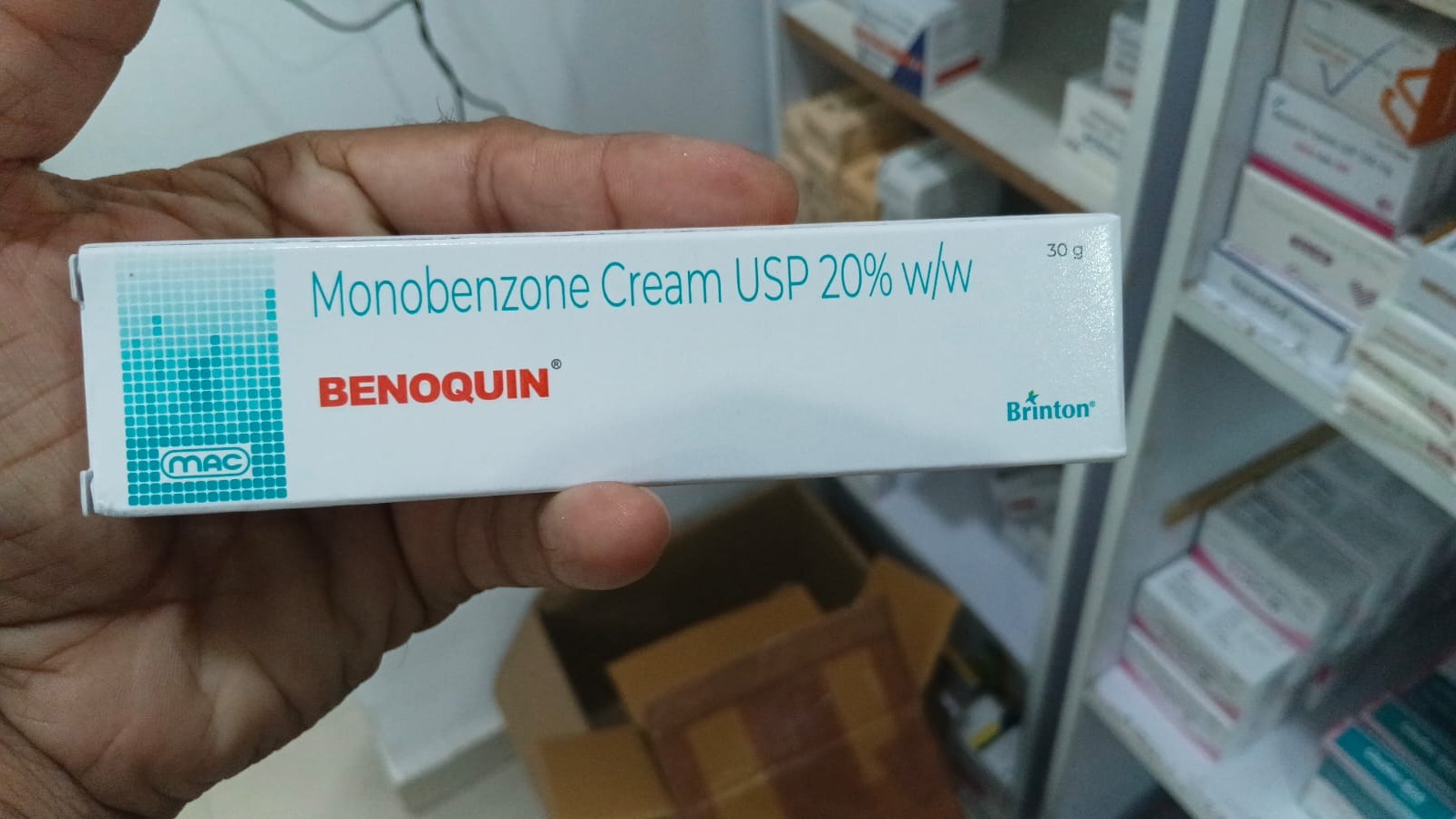
Monobenzone, commonly associated with the brand name Benoquin, is a topical medicine used for this specialised purpose.
Understanding its mechanism, treatment limitations and potential long-term effects is particularly important because depigmentation may be permanent.
What Is Monobenzone?
Monobenzone is a topical depigmenting agent that reduces pigmentation by affecting melanocytes, the cells responsible for producing melanin.
Unlike ordinary cosmetic skin-lightening products, Monobenzone is intended for specific medical circumstances involving extensive vitiligo.
It is not an appropriate treatment for routine skin brightening, tanning reduction, freckles or ordinary uneven skin tone.
Its effects may extend beyond the exact areas where the product is applied.
When Is Depigmentation Considered?
Depigmentation may be considered when vitiligo affects a very large proportion of the body and conventional repigmentation treatments are unlikely to provide satisfactory results.
For example, someone with widespread pigment loss may find that the remaining darker patches create a highly uneven appearance.
In selected cases, reducing the pigmentation of those remaining areas may produce a more uniform skin tone.
However, this decision requires careful discussion because the changes may be irreversible.
How Monobenzone Differs From Other Vitiligo Treatments
Most commonly discussed vitiligo treatments aim to encourage pigment restoration.
These may include topical anti-inflammatory medicines, selected immunomodulating treatments or medically supervised light therapy.
Monobenzone works in the opposite direction.
Rather than encouraging melanocytes to produce pigment, it causes depigmentation.
This distinction makes it unsuitable for patients who want to restore their original skin colour.
Possible Side Effects and Limitations
Monobenzone may cause redness, irritation, dryness, itching or contact dermatitis.
Depigmentation can develop gradually and may appear uneven during treatment.
Some individuals may experience pigmentation changes in areas away from the application site.
Because melanin helps protect skin from ultraviolet radiation, extensive depigmentation can increase sensitivity to sunlight.
Sun Protection in Thailand's Tropical Climate
Thailand experiences substantial ultraviolet exposure throughout the year.
For people undergoing depigmentation treatment, sun protection is an important long-term consideration.
Protective clothing, shade and broad-spectrum sunscreen can help reduce ultraviolet exposure.
Patients should also understand that depigmentation does not eliminate the need for ongoing skin examinations and appropriate dermatological care.
Product Information and Medical Oversight
Monobenzone should be used only for an appropriate medical indication following specialist assessment.
Product authenticity, ingredient concentration, manufacturer details and local regulatory status should be verified.
ERNEST IMPEX is involved in pharmaceutical supply, an industry where accurate medicine identification and clear product information are especially relevant for specialised dermatological products.
Understanding the Long-Term Decision
Monobenzone treatment is fundamentally different from ordinary cosmetic pigmentation management.
Its purpose is to produce lasting pigment reduction in carefully selected patients with extensive vitiligo.
For individuals in Thailand, understanding the permanence of treatment, possible skin reactions and lifelong sun-protection requirements is essential before making an informed decision.
Keywords